-
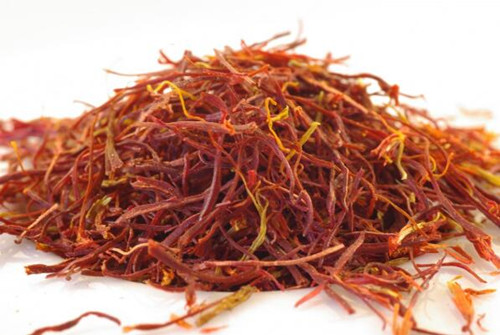
Saffron for Nourishing Blood and Beauty Has Five Major Benefits and Effects! Can It Treat Gynecological Diseases? Can You Steep It in Water and Drink It Every Day?
It is said that saffron is one of the best choices for women to nourish and build blood, and many people steep it in water to drink. Because saffron yields are relatively low, its price is generally quite expensive, around 50-80 yuan per gram. So what are the benefits and effects of saffron? Can it treat gynecological diseases? Can you steep it in water and drink it every day? Introduction to Saffron
-
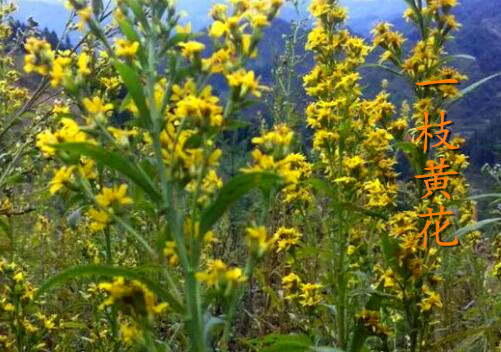
What is the Chinese herbal medicine Solidago decurrens also called? Its four major effects can treat these diseases
The Chinese herbal medicine Solidago decurrens is a plant of the genus Solidago in the Asteraceae family. Because its single stem grows straight up and it blooms yellow flowers in autumn, it is called "one-stem yellow flower" (yizhihuanghua). It and the famous invasive species Canada goldenrod (Solidago canadensis) belong to the same family but different species. So what is the Chinese herbal medicine Solidago decurrens also called? What are its effects and actions? Introduction to Solidago decurrens
-
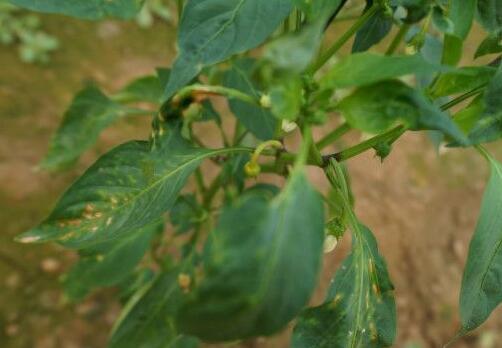
Identification of plant physiological diseases: diagnosis of diseases caused by abiotic pathogens
Identification of plant abiotic pathogens and the diseases they cause (physiological diseases)? During the process of plant growth and development, unsuitable physical factors, chemical factors, air pollution, pesticide toxicity, as well as the plant's own physiological defects or hereditary diseases in the environment can all cause plants to develop diseases caused by abiotic pathogens
-
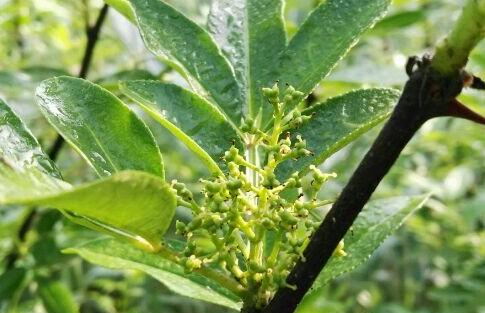
What pests and diseases affect the Sichuan pepper tree (Zanthoxylum bungeanum) of the Rutaceae family, and what are the symptoms and control methods?
Sichuan pepper is a tree species with high economic value, possessing high medicinal and edible value, and is an important plant. So what diseases affect the Sichuan pepper tree? What are the pest and disease control methods? During the growth and development of Sichuan pepper, due to unsuitable environmental conditions or invasion by pathogenic bacteria
-
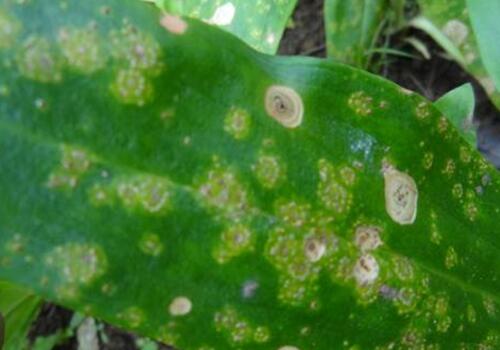
How to control the main pests and diseases of Gentiana macrophylla such as leaf rust, root rot, and aphids?
Gentiana macrophylla, also known as large-leaf gentian, large-leaf Qinjiao, and West Qinjiao, is a perennial herbaceous plant and one of the main medicines for treating rheumatism, joint pain, tuberculosis, tidal fever, jaundice, and other conditions. So what are the main pests and diseases of the herbaceous plant Gentiana macrophylla, such as leaf rust, root rot, and aphids, and what are the control measures? Let's find out together below.
-
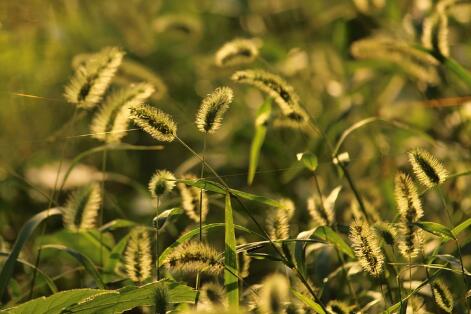
What diseases can foxtail grass treat? The benefits and symbolism of this annual herbaceous plant
Friends who grew up in the countryside should be familiar with foxtail grass; it looks like a weed. Foxtail grass is also called Arhat grass, barnyard grass, and green foxtail. It is also a medicinal herb. It can be harvested in summer and autumn, washed clean, and dried in the sun for later use. So what diseases can foxtail grass treat? What is it used for? What does it represent? Foxtail grass
-
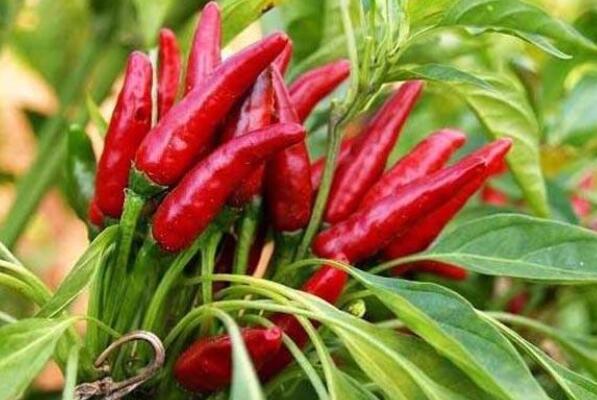
When are chili peppers harvested, why do they grow pointing upward, and what pesticides should be used for pests and diseases before and after flowering?
Chili pepper, also known as small chili and skyward pepper, has white flowers and a flowering period from early May to the end of July. The whole plant is used as medicine; the rhizome is warm in nature and sweet in taste, and can dispel wind and scatter cold, relax muscles and activate collaterals, and also has insecticidal and anti-itching effects. So when are planted chili peppers harvested? Why do they grow pointing upward? What pesticides should be used for pests and diseases before and after flowering?
-
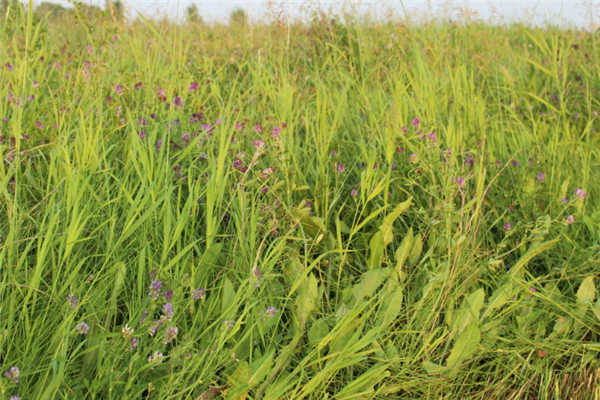
How to prevent and control pests and diseases when planting alfalfa in autumn and winter?
Alfalfa is the earliest cultivated and most widely distributed perennial legume forage in the world. It not only has high forage yield, excellent forage quality and high nutritional value, but is also cold-resistant, drought-resistant, tolerant of barren soil and highly adaptable, suitable for a very wide range of planting areas. It is the preferred forage for increasing dairy cow milk production and developing the beef cattle industry
-
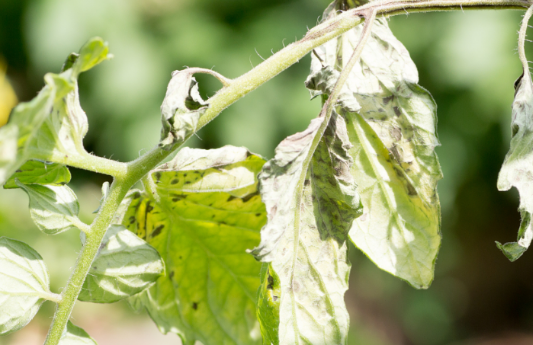
Plant diseases are contagious, and early detection and early prevention are key
Xiaozhi has recently been hearing from many friends telling me that the plants they grow have gotten sick and asking what the cause might be. Generally speaking, plant diseases can be physiological or pathological, just like in humans, and you need to treat the root cause. If you "misdiagnose," the plant ultimately still cannot be saved
-
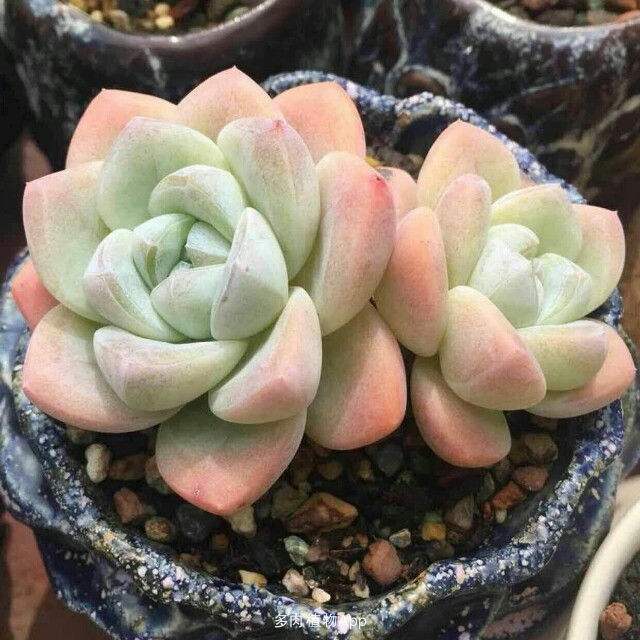
What are the methods for controlling pests and diseases of narcissus?
Narcissus is a common decorative flower on office desks and dining tables. Anyone who has grown narcissus knows that although narcissus is beautiful, it is prone to attack by certain pests and diseases during cultivation. The main pests and diseases of narcissus are: narcissus leaf blight, large brown spot disease, basal bulb rot, and narcissus stem nematode disease, etc.
条件筛选