-
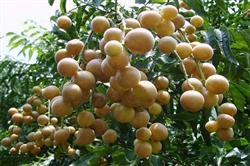
Common Pests and Diseases in Wampee Cultivation and Their Control Methods
What pests and diseases need to be controlled when growing wampee? The main pests and diseases in wampee cultivation are as follows: 1. Wampee anthracnose: Wampee anthracnose is a common disease in production, and it can infect the plant at all growth stages, easily causing leaf spots, leaf rot, bare branches, flower rot, and fruit rot. If wampee is intercropped with other crops and planted at high density, while drainage is inadequate and water accumulates after rain, it will affect the yield and quality of wampee...
-
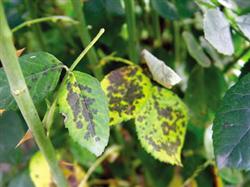
How to prevent and control rose pests and diseases? A full breakdown of practical methods
The most common diseases of roses include powdery mildew, black spot, dieback, and rust; there are dozens of possible pest infestations, the most common being scale insects, aphids, spider mites, thrips, slug moth caterpillars, and sawflies. For the above pests and diseases, prevention and control efforts must be intensified. During the dormant period, pruning work should also be carried out...
-
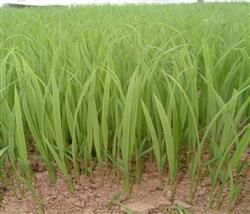
What are the main rice pests and diseases? Common types at a glance
How to raise rice seedlings well? Methods wanted. Rice seedling-raising techniques: 1: How to determine the seedling-raising period? For insulated dry seedling-raising of rice, start raising seedlings and sowing after the air temperature steadily passes 5°C-6°C (after covering with plastic film or greenhouse film, the temperature rises above 12°C). In Heilongjiang Province, this is generally in mid-to-late April; do not sow in May. The best sowing period is April...
-
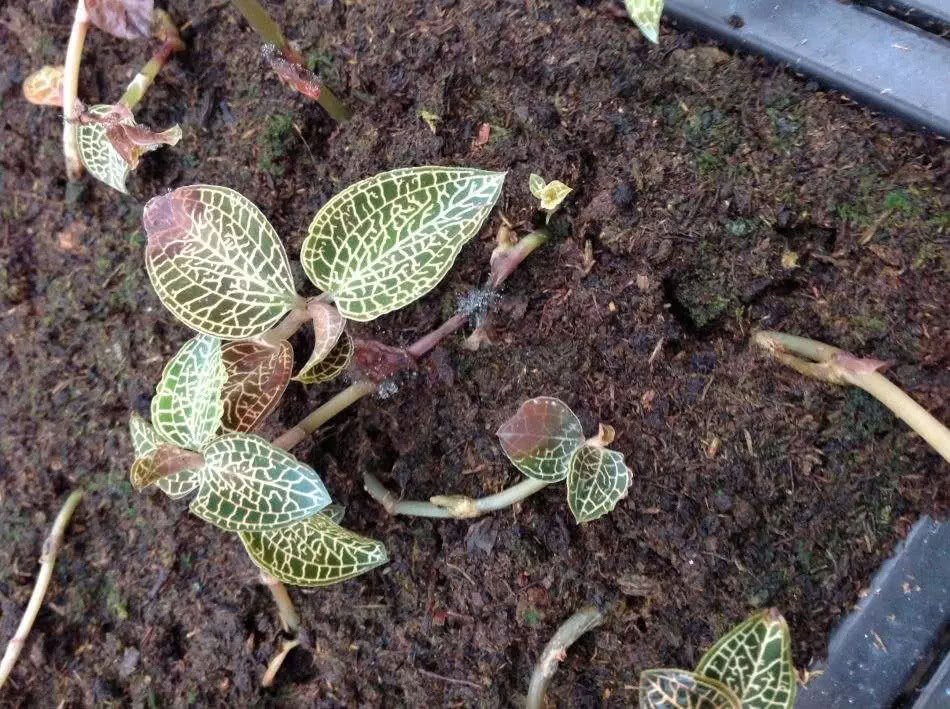
The most effective control methods for common fungal diseases of flowers are all here
It can be said that fungal diseases are the most common category among flower diseases. Fungi are lower organisms that lack chlorophyll, use mycelium as their vegetative body, and reproduce by spores. Diseases caused by fungal infection are called fungal diseases. Fungi...
-
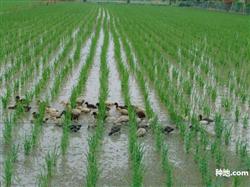
Detailed Explanation of Pollution-Free Control Methods for Rice Pests and Diseases
Pollution-free methods for controlling rice pests and diseases: (1) Rice field plowing and water-soaking technique for killing borers: during the peak pupation period of the overwintering generation of rice borers (before March 20 in southern Jiangxi, April 1 in central Jiangxi, and April 10 in northern Jiangxi), plow winter fallow fields and green manure fields, then flood with deep water and soak, so that the borers cannot emerge normally, thereby killing the pupae and borers and reducing the occurrence base...
-
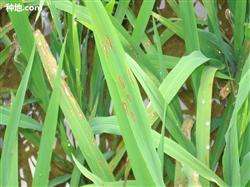
What are the methods for controlling rice pests and diseases?
What are good ways to control pests and diseases in rice? Asking for advice. The success or failure of rice pest and disease control plays a vital role in rice yield. For the control of rice pests and diseases, first, select varieties resistant to pests and diseases; second, fertilize reasonably, applying more organic fertilizer and phosphorus and potassium fertilizer; third, use water scientifically, keep the field dry, and during the rainy period pay attention to clearing ditches and draining water...
-
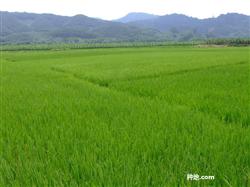
What are the methods for controlling rice pests and diseases in summer?
How to control pests and diseases in rice in summer? Need guidance. According to trend analysis, in summer and autumn, rice pests and diseases focus on the "three insects and three diseases" (namely rice leaf roller, rice planthopper, striped stem borer, rice blast, rice false smut, and sheath blight). In early September, the sixth (4th) generation rice planthopper, the sixth (4th) generation rice leaf roller, the third generation...
-
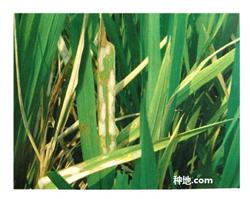
How can chemical control of rice pests and diseases reduce pesticide damage?
How to treat rice sheath blight? What methods can be used to prevent and control rice sheath blight? The following measures are mainly taken: 1. Select disease-resistant varieties. 2. Salvage sclerotia to reduce the source of inoculum. 3. Strengthen cultivation management, apply sufficient base fertilizer, apply topdressing early, do not apply nitrogen fertilizer alone, increase phosphorus and potassium fertilizer, adopt formula fertilization technology, so that...
-
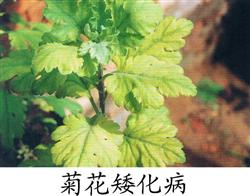
What are the three common diseases of chrysanthemums?
Chrysanthemum, also known as ganjuhua, is a perennial herbaceous medicinal plant of the Asteraceae family. Its traditional Chinese medicine names are white chrysanthemum and yellow chrysanthemum. The flowers are used as medicine and have the effects of dispersing wind and dissipating heat, and clearing the liver and brightening the eyes. It is mainly produced in Anhui, Zhejiang, Henan, Hebei and Sichuan, and is cultivated in other parts of the country. The main diseases of cultivated chrysanthemums include chrysanthemum powdery mildew, ...
-
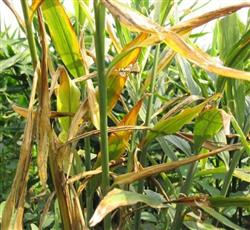
What pests and diseases should ginger be protected from? Detailed explanation of control key points
What pests and diseases should ginger be protected from? Please help introduce the following pests and diseases that need to be controlled during ginger cultivation: stem diseases (ginger blast, ginger rot, etc.); when diseased plants are found in the field, promptly dig out the diseased plants and the soil around them, carry them out of the field for deep burial, apply 125 grams of bleaching powder in the hole or pour 1% bleaching powder solution, then use...
条件筛选