How to prevent and control rose pests and diseases? A full breakdown of practical methods
The most common diseases of roses include powdery mildew, black spot, dieback, and rust; there are dozens of possible pest infestations, the most common being scale insects, aphids, spider mites, thrips, slug moth caterpillars, and sawflies. For the above pests and diseases, prevention and control efforts must be intensified. During the dormant period, pruning work should also be carried out...
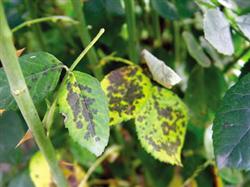
The most common diseases of roses include powdery mildew, black spot, dieback, and rust; there are dozens of possible pest infestations, the most common being scale insects, aphids, spider mites, thrips, slug moth caterpillars, and sawflies. For the above pests and diseases, prevention and control efforts must be intensified.
During the dormant period, pruning work should also be carried out. The pruning time is around the Spring Festival, mainly cutting off diseased branches, dead branches, weak branches, overlapping branches, and crossing branches from the base of large roses more than 2 years old. In addition, prune to different degrees according to the variety and characteristics of the rose and its growth conditions: for plants with poor growth, keep only 2-3 main branches and cut away 2/3; for varieties with normal growth, a well-formed plant shape, and frequent flowering, cut away about 1/2; for plants with robust growth and frequent flowering, cut away only 1/3. Apply wound healing and antiseptic film to the wounds caused by pruning to promote rapid healing of the wounds and prevent pests and diseases from invading.
Soil sterilization: Soil is the main medium for the spread of pests and diseases, and also the main place where pests and diseases reproduce. Sterilization treatment before planting is the primary method for preventing and controlling such diseases. Common methods of soil sterilization treatment include steam disinfection and chemical fumigation such as methyl bromide and metham sodium.
Pay attention to field hygiene: For potted roses, pay attention to maintaining good indoor ventilation and keeping the leaves dry. When watering and fertilizing, do not splash water or fertilizer onto the leaves, and avoid using overhead watering to supply water. Irrigate the field at appropriate times and in appropriate amounts to avoid various root and stem diseases induced by excessive moisture or waterlogging in the field. Timely remove weeds inside and outside the greenhouse so as not to provide overwintering sites for pests. At the same time, combine with chemical treatment by spraying with New High Lipid Film diluted in water to control the further spread of the disease. If a certain rose is found to have black spot or powdery mildew, please isolate it, pinch off the diseased leaves, and destroy them to prevent transmission to other plants.
Strengthen facility management: Regularly check the isolation measures of greenhouses and plastic tunnels to control the invasion of pests; greenhouses and plastic tunnels must have sufficient ventilation and dehumidification capacity; a reasonable irrigation system to avoid wetting the plants; timely clean the greenhouse film, and ventilate and dehumidify in a timely manner as the temperature changes.
Chemical control: When using chemical pesticides for prevention and control, use fumigation (sulfur fumigation, smoke fumigation) as much as possible. When using spraying methods, also try to choose pesticides that do not easily leave stains. Pesticides should be sprayed on the parts of the plant below 20 cm to avoid direct contamination of cut-flower roses by pesticides. Cut-flower roses are more sensitive to propargite and pyrethroid pesticides and are prone to pesticide damage, so they should be used with caution during prevention and control.