-

Key Points on the Differential Diagnosis, Prevention and Control of Newcastle Disease and Avian Influenza in Chickens
Newcastle disease and avian influenza in chickens are both highly contagious diseases caused by viruses. They can occur in all four seasons, and both are more common in winter and spring. In poultry farming production, both diseases occur frequently, and the losses they cause are very serious. The vast majority of farmers attach great importance to this and have intensified various prevention and control efforts, but they are not very clear about the differences between these two diseases. The following is a comparison of Newcastle disease and avian influenza in chickens from several aspects including pathogens, clinical symptoms, and pathological changes. Pathogens: fowl plague and avian influenza
-
How are vesicular diseases in pigs diagnosed? A full analysis of methods and key points
Common vesicular diseases in pigs include foot-and-mouth disease, swine vesicular disease, vesicular exanthema of swine and vesicular stomatitis, all mainly characterized by vesicles on the mouth, hooves and other parts. Clinically, attention should be paid to distinguishing them and treating them according to the symptoms. 1. Foot-and-mouth disease. It affects a variety of animals, mainly even-toed ungulates, and humans can also be infected. Cattle are susceptible, followed by pigs, then sheep, goats and camels, and young animals are susceptible. The sources of infection are diseased animals and virus-carrying animals, and the transmission routes are the respiratory tract, digestive tract and wounds, etc. The epidemic has no seasonality, but occurs more often in winter and spring.
-
Disease conditions of the chicken-claw fungus in pollution-free cultivation
The shaggy ink cap mushroom (Coprinus comatus) is deeply favored by mushroom growers for its rich nutrition, delicious taste, tender and smooth flesh, and strong market demand. It has been widely cultivated across the country with very broad development prospects. However, in actual cultivation, mushroom growers are often troubled by a kind of Xylaria (commonly known as chicken-claw fungus). Due to neglected prevention and control, by the time large-scale infection appears, they randomly use some high-residue pesticides for treatment, which not only has no effect but also often causes the pesticide residues in the finished mushrooms to exceed the standard and affects product sales. For example, in mid-October 2006, Hubei Province
-
Prevention and Treatment Methods for Respiratory Diseases in the Late Nursery Stage of Pigs
The nursery stage is the most important period in the entire growth cycle of piglets from birth to market, and it is also the period when piglets have a fragile body and the lowest disease resistance, as well as the most difficult period to care for. Because it serves as a link between the past and the future, it is crucially important, so special attention must be paid to this period. In the early stage, piglets often face diarrhea problems after weaning; in the late stage, respiratory problems are more common. Especially since late autumn of last year, respiratory diseases have become increasingly complex and difficult to control, becoming the most troublesome problem for pig farm owners. Common in the nursery stage
-
What are the measures to prevent sheep diseases in the hot season?
1. Strengthen feeding management. In summer, sheep have lower disease resistance and are prone to illness. To improve the disease resistance of sheep, ensure that sheep are supplied with sufficient nutrients and a reasonably balanced daily ration, and feed concentrate once each morning and evening, with 0.2-0.5 kg per adult sheep. Feeding should be done at fixed times and in fixed amounts to prevent excessive or insufficient nutrients. It is strictly forbidden to feed toxic, moldy, or contaminated feed. Clean drinking water should be provided promptly and sufficiently. In summer, grazing should start early and finish late, and sheep should be allowed to rest more at noon to prevent heatstroke. The sheep shed should be fitted with screen doors and screen windows to prevent mosquito and fly bites. 2. Do
-
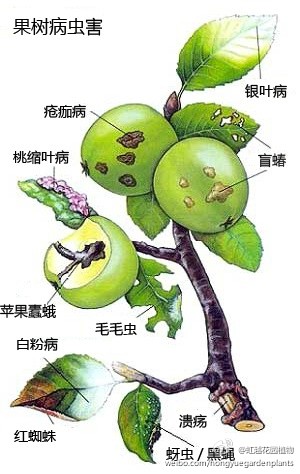
Complete Illustrated Guide to Flower Pests and Diseases: Quickly Identify Disease and Pest Symptoms
Pest and disease illustrations are always somewhat scattered. The few images below bring together illustrations of several dozen common flower pests and diseases, plus illustrations of fruit tree pests and diseases, rose pests and diseases, and tree pests and diseases.
-
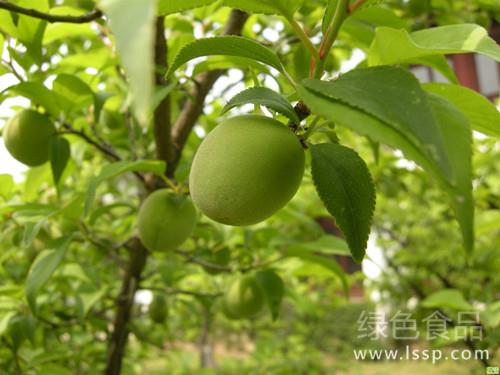
High-quality, High-yield Cultivation Techniques for Japanese Apricot (Green Plum) with Pollinator Trees and Bee Release at Blooming
Cultivation Techniques for High-quality, High-yield Japanese Apricot with Pollinator Trees and Bee Release at Blooming
-

Anemarrhena Pest and Disease Control Methods and Key Technical Points
Pest and Disease Control Methods for Anemarrhena
-

What are the control methods for pests and diseases of sweet wormwood?
Control methods for pests and diseases of sweet wormwood
-

What are the common control methods for Schizonepeta diseases?
Common control methods for Schizonepeta diseases
条件筛选