-

Detailed Explanation of the Control Methods for Diseases and Pests of Radix Adenophorae
Control Methods for Diseases and Pests of Radix Adenophorae
-

What are the pest and disease control methods for licorice?
Pest and disease control methods for licorice
-

What are the pest and disease control techniques for Bupleurum?
Pest and disease control techniques for Bupleurum
-

Cultivation and Management Methods to Increase the Yield of Cimicifuga
How to Increase the Yield of Cimicifuga
-
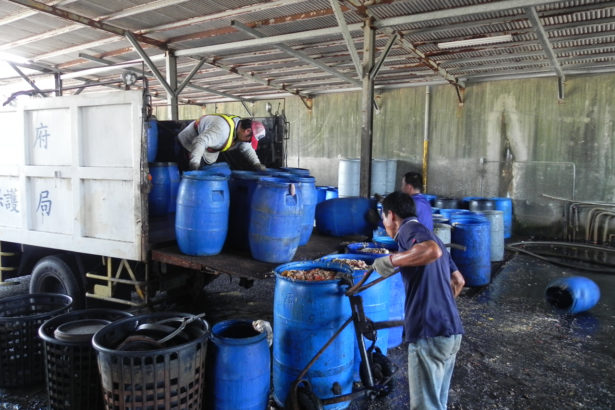
Rushed Food Waste Ban: EPA Protests as Swine Fever Chaos Hits Home Before the Disease Does
The Battle Over Epidemic Prevention and Food Waste 04"Rushed Food Waste Ban: EPA Up in Arms, Saying "Swine Fever Hasn't Even Arrived, and the Country Is Already in Chaos"
-
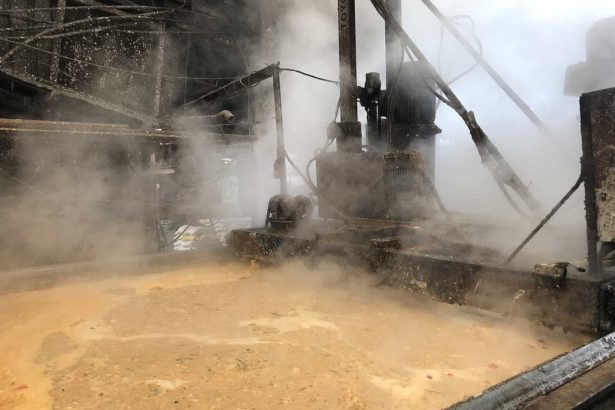
The Battle Over Epidemic Prevention and Food Waste 01"A Close Look at Pig Farming with Food Waste: Pig Farmers Say, "This Is Our Life and Property, We Fear the Disease More Than Anyone!"
The Battle Over Epidemic Prevention and Food Waste 01"A Close Look at Pig Farming with Food Waste: Pig Farmers Say, "This Is Our Life and Property, We Fear the Disease More Than Anyone!"
-

Control Methods and Key Technical Points for Codonopsis Diseases
I. Rust mainly damages the stems and leaves of Codonopsis. Control methods: clean the field, eliminate field weeds and diseased plants. In the early stage of the disease, spray 25% triadimefon wettable powder at 1000-1500 times dilution, or 90% dithianon sodium at 400 times dilution for control. Spray once every 7-10 days, for 2-3 consecutive sprays. II. Root rot mainly damages the roots of Codonopsis. Control methods: from July to August, apply additional phosphorus and potassium fertilizer. Before transplanting Codonopsis, soak the roots in 50% thiophanate-methyl wettable powder at 1000 times dilution for 5 minutes. When the disease occurs
-
Symptoms and control methods of pinellia virus disease
It mostly occurs in summer; infected leaves curl and twist, and the plants grow stunted. Control methods: ① Select disease-free plants for seed. ② Disinfect the soil before sowing and control pests promptly. ③ When diseased plants are found, pull them out immediately, burn them in a centralized pile and bury them deep, and pour 5% lime milk into the diseased planting holes.
-
What are the main pest and disease control methods for mushroom sheds?
1. Mushroom flies: The larvae, also called fungus maggots, mainly feed on the fruiting bodies, boring tunnels that affect quality, and the wounds they create are very easily infected by pathogens, causing rot. Different methods should be used to control mushroom flies at different stages. If large numbers of fungus maggots appear before mushroom emergence, you can fumigate with dichlorvos at a rate of 0.90 kg per 100 sq m, and at the same time spray each culture block with another 0.15 kg of 1% potassium chloride or sodium chloride solution (5% salt water can be used as a substitute); if fungus maggots cause damage after mushroom emergence, you can spray low-toxicity pesticides such as derris extract, permethrin, and nicotine. (Nicotine
-
Pathological Analysis and Control Techniques for Diseases of the Tea Tree Mushroom
The tea tree mushroom (Agrocybe aegerita), also known as the tea mushroom, is a fashionable and rare mushroom variety that has become increasingly popular in domestic and international markets in recent years, emerging as a highlight among cultivated varieties. However, because the mycelium and fruiting bodies of this mushroom contain an almond-like aroma, they tend to attract a relatively high number of pests and diseases. Most of these are caused by infection from pathogenic fungi and insect pests, and are known as infectious diseases. Growers often fail to properly identify the disease symptoms and pathogens, leading to blind application of chemical pesticides. As a result, not only is effective control not achieved, but the mushroom bodies are harmed, product pesticide residues exceed standards, and cultivation returns
条件筛选