-

The previous batch of pigs had blue ear disease (porcine reproductive and respiratory syndrome). How should the pen be disinfected?
1. Cleaning and washing. Remove all contaminants and bedding from the pen, and sweep down the dust from the ceiling as well. Then pile it all together to ferment. Then rinse thoroughly with clean water. 2. Disinfection of the floor and walls. For the floor, use caustic soda or sodium hydroxide. For the walls, spray with iodine-based or chlorine-based preparations. 3. For metal equipment that is not afraid of heat but is afraid of corrosion: use a blowtorch (alcohol blowtorch, kerosene blowtorch). 4. For enclosed pens: fumigation. Peracetic acid, formaldehyde, or potassium permanganate can all be used. After sealing for 2 hours, ventilate for 7-10 days. Basically it takes half a month.
-
What disease causes geese to die quickly after passing green droppings?
Ma Yonggen from Qinxing Village, Zhenze Town, Wujiang City called to say that he had raised more than 400 geese. When the geese weighed three to four jin, he found that several geese were lying down unable to stand, passed green droppings, and died quickly. Within two days, 6 had already died, and several more geese had also shown symptoms of lying down and looked like they were failing. The local veterinarian diagnosed it as a septic infectious disease. Based on the above situation, the geese may have viral enteritis or fowl cholera. Both diseases have symptoms of passing green droppings and rapid death. Which specific disease it is should still be further diagnosed.
-
What are the prevention and control measures for infectious bursal disease in chickens?
(1) Strengthen feeding management and hygiene measures Strengthen the feeding management of the chicken flock, maintain intervals between chick placements, implement an all-in-all-out rearing system, carry out thorough cleaning, hygiene and disinfection work, and reduce and avoid various stress factors. These general principles for preventing and controlling infectious diseases are extremely important for the prevention and control of infectious bursal disease. (2) Vaccination Through effective vaccination, the chicken flock acquires specific resistance, which is the most important measure for preventing and controlling infectious bursal disease. 1. Increase the antibody levels of breeder chickens
-
How to use medication for chicken respiratory diseases in winter and spring? Farming experience sharing
There are many causes of chicken respiratory diseases, which can be broadly divided into non-infectious causes and infectious causes. Every year starting from Cold Dew, the temperature difference between day and night increases, and most farmers reduce ventilation time to keep warm. Coupled with factors such as unreasonable chicken coop design and unreasonable vaccine immunization, respiratory diseases have long plagued the majority of farmers. Analysis of disease causes: Feeding management - poor ventilation in chicken coops. The concentration of harmful gases such as carbon dioxide exhaled by chickens, ammonia and hydrogen sulfide produced by feces, and carbon monoxide produced by incomplete coal combustion rises, while oxygen concentration decreases. Chickens kept in such an environment for a long time will suffer damage to their respiratory systems. Ammonia and hydrogen sulfide gases can cause inflammation of the conjunctiva and tracheal mucosa of chickens, making it easy for pathogens to invade the respiratory system and cause disease; carbon monoxide can cause poisoning in chickens; dust caused by dry litter carries large amounts of pathogenic bacteria such as E. coli, and when the concentration is high or the body's resistance decreases, it is easy to cause colibacillosis; if moldy litter is used, large amounts of mold spores are dispersed in the air, and after being inhaled by chickens, they cause aspergillosis in chickens. Environmental factors such as excessive stocking density in chicken coops and ambient temperatures that are too high or too low can all interact with infectious respiratory pathogens, aggravating the symptoms of respiratory diseases.
-
How to prevent chicken diseases? A detailed guide to practical preventive measures
I. Strengthen feeding management. Rationally formulate feed and make it varied. Feeding moldy or spoiled feed is strictly prohibited to prevent poisoning and fungal diseases. Feeding must be done at fixed times and in fixed amounts. Lighting in the chicken house should be appropriate, ventilation good, and the house kept dry at all times. The temperature in the chicken house must not change abruptly, especially during the chick stage. Sick, weak and disabled chickens must be strictly separated into groups and raised in isolation. II. Do a good job of chicken house hygiene. The chicken house and exercise yard must be cleaned every day. Litter should be dried in the sun frequently and changed frequently. The floor must be kept from becoming damp and waterlogged. The chicken house and equipment must be disinfected regularly. This is
-
What are the common signs of digestive system diseases in pigs?
Diseases whose main manifestation is a digestive system syndrome are very common in winter. The main signs of these diseases are diarrhea, with a variety of colors, a relatively large amount of mixed matter, and severe emaciation. In treating ordinary diarrhea, both the symptoms and the root cause should be addressed, while for infectious diarrhea, prevention should be the priority.
-
Prevention and Control Methods and Technical Key Points for Common Multiple Diseases in Pigs
The common multiple diseases of pigs mainly include: piglet Escherichia coli disease, transmissible gastroenteritis, epidemic diarrhea, asthma, and piglet hypoglycemia. These five common diseases of pigs seriously affect the normal growth and development of pigs, hinder the development of the pig industry, and often cause massive pig deaths. Therefore, the prevention-oriented policy of prevention and control must be implemented, and careful prevention and treatment must be carried out to take preventive measures, and one must never take it lightly, so as to ensure the smooth development of the pig industry. Piglet Escherichia coli disease Piglet Escherichia coli disease has the following three manifestations: early-onset
-
Common Symptoms of Sheep Bluetongue Disease and Prevention and Treatment Methods
Symptoms: The incubation period is 3 to 8 days. At the onset of the disease, body temperature rises to 40.5°C to 41.5°C and remains elevated for 2 to 3 days. Shortly after the temperature rises, affected sheep show anorexia, depression, and lag behind the flock. The upper lip swells, and the edema may extend to the face and ears; there is drooling, and the oral mucosa becomes congested and purplish-blue. Soon afterward, erosions appear on the lips, gums, cheeks, and tongue mucosa, making swallowing difficult. The oral mucosa is damaged by ulcers, with local blood oozing, and the saliva turns red. Secondary infection can cause local tissue necrosis and bad breath. The nose discharges purulent secretions, and
-
What are the common diseases of miniature pigs? Detailed explanation of prevention and treatment methods
Miniature pigs in China generally belong to relatively old local extensive-type breeds, with characteristics such as strong adaptability, tolerance to coarse feed, and strong stress resistance. As long as vaccines are injected regularly and feeding management is strengthened, the occurrence of infectious diseases can be avoided. Prevention of common infectious diseases: There are no longer many common infectious diseases in China, and most have been brought under control, with only occasional outbreaks and epidemics, which are generally handled by culling. Since the economic value of treatment is not great, preventing the occurrence of diseases is one of the three key links in doing a good job in miniature pig breeding production. Doing a good job in the immunization of several common infectious diseases in the pig herd
-
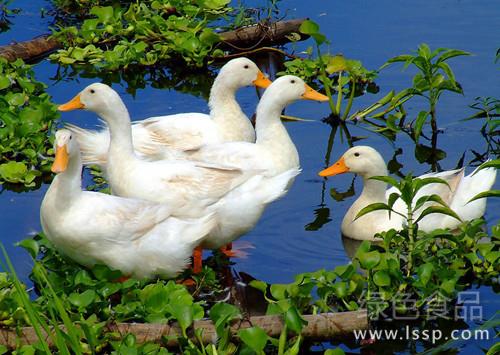
Key points for improving meat duck quality in cold winter: keep warm, prevent disease, increase light, prevent feather pecking
Keep warm, prevent disease, increase light, prevent feather pecking: key points for improving meat duck quality in cold winter
条件筛选