-

How to treat cattle emaciation disease? A detailed explanation of traditional Chinese medicine syndrome differentiation and treatment methods
In traditional Chinese veterinary medicine, cattle emaciation disease falls within the scope of consumptive disease. It is prone to occur in cattle raised by scattered household farmers in the agricultural areas of eastern Qinghai Province, and due to delayed or improper treatment, it often leads to death. This brings serious economic losses to farmers. Based on clinical experience, the author has summarized the following treatment methods for reference. 1 Etiology The causes of cattle emaciation disease mainly include the following factors: 1.1 Due to a single feed type and insufficient energy, appetite and drinking gradually decline, causing the body's own
-
What disease is indicated by chickens passing red droppings?
1. Formed droppings with beef-thread-like strands - first generation schizogony stage of coccidia. 2. Orange-red, unformed droppings on the ground - undigested feed enteritis. 3. Purplish-red bloody droppings - cecal coccidiosis. 4. Brown droppings, more in the morning and less in the afternoon - normal. Brown droppings, less in the morning and more in the afternoon - vibrio hepatitis. 5. Bloody droppings from mechanical injury or scratches
-
What are the causes of nutritional metabolic diseases in chickens
1. Insufficient intake of nutrients ①Insufficient supply in the diet; ②Lack of certain nutrients in the diet, such as protein (especially essential amino acids), fat, vitamins, and mineral trace elements; ③Insufficient intake of nutrients caused by loss of appetite. 2. Increased requirement for nutrients without timely supply, such as increased nutrient consumption in the body under pathological conditions. For example, nutritional metabolic diseases caused by febrile diseases, parasitic diseases, and diarrheal diseases. 3. Poor digestion and absorption of nutrients, functional disorders of the gastrointestinal tract, liver, kidney, pancreas, etc.
-
Interferon Can Reduce Mortality in Pigs with Blue Ear Disease
Interferon is a class of proteins with antiviral, antitumor and immunomodulatory functions produced by cells induced by various inducers (viruses, bacteria, macromolecules, etc.). To investigate the therapeutic effect of interferon on porcine blue ear disease, we conducted a trial from August to October 2006 on the use of interferon combined with other drugs to treat porcine blue ear disease. The trial is reported as follows. From August to October 2006, at the Animal Clinic of the Huai'an Animal Husbandry and Veterinary Station, 325 pigs confirmed by laboratory diagnosis as having blue ear disease were selected and
-
What is gout, a nutritional metabolic disease in ducks?
Gout is an internal medicine disease caused by a disorder of protein metabolism in the duck's body. Its main pathological feature is the accumulation of large amounts of urate in the joints or internal organs and other interstitial tissues. This disease mostly occurs in the cold winter and early spring seasons when green feed is lacking. Ducks of different breeds and ages can all be affected, and clinically it is mostly seen in young laying ducks. It is mostly caused by breeders one-sidedly pursuing weight gain speed while neglecting scientific feed formulation and feeding feed with excessively high protein content. After ducks become ill, it causes emaciation, loss of appetite, and severe
-
What is swine skin fungal disease?
It mainly occurs in piglets in nursery pens, and newly weaned piglets are especially susceptible; a few nursing piglets in farrowing pens also develop the disease. At first, 1-2 pigs in the same pen are affected, then it gradually spreads through contagion, and in severe cases all pigs in the same pen are affected. The incidence rate is as high as 50%-60%. [Incidence] It mainly occurs in piglets in nursery pens, and newly weaned piglets are especially susceptible; a few nursing piglets in farrowing pens also develop the disease. At first, 1-2 pigs in the same pen are affected, then
-
What are the spring control methods for sheep greedy-mouth disease?
In spring, sheep are prone to greedy-mouth disease. The reason is that after the long winter, the sheep lack nutrients in their bodies and are in poor condition; when they suddenly have young, tender, succulent green grass, it tastes especially sweet and delicious. But in early spring, the forage grass has just sprouted and turned green, and the amount of grass is very small, so they cannot fill their stomachs. The sheep would rather go hungry than eat dry grass and yellow grass anymore. Therefore, greedy-mouth disease occurs. This disease can cause sheep to lose weight and become thin and weak due to long-term hunger, affecting growth and health. Prevention methods: First, avoid green grass early in spring, try to avoid grazing on young tender green grassland, and wait until the green grass grows to about 10 cm
-
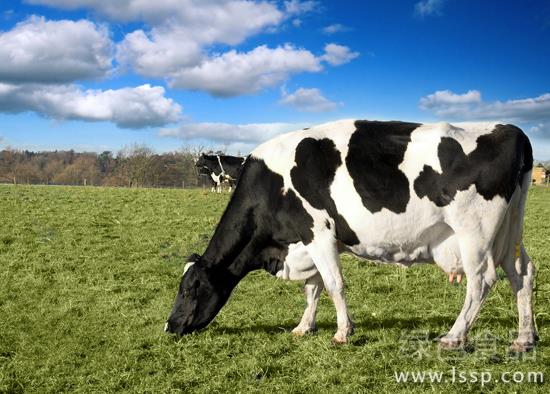
How to prevent and treat decreased milk production caused by udder edema in dairy cows?
How to prevent and treat decreased milk production caused by udder edema: udder edema in dairy cows
-
What are the common tea plant diseases in China? This one article gives you a full understanding
More than 100 tea plant diseases have been recorded, and more than 30 are common. I. Leaf diseases: nearly 40 have been recorded. Bud and leaf diseases mainly include: tea blister blight, which occurs rather severely in high-mountain tea gardens in the southwestern tea region; tea white star disease and tea round red star disease, which cause severe damage under conditions of low temperature and high humidity in high-mountain tea gardens in the provinces of East China and Southwest China; tea bud blight is one of the common important diseases in Zhejiang, Hunan and other provinces. Diseases of mature leaves and old leaves include tea cloud-pattern leaf blight, tea ring spot disease, tea anthracnose, tea brown
-
Control Methods for Common Pests and Diseases of Panax notoginseng
Panax notoginseng belongs to the genus Panax in the family Araliaceae. It is a perennial herbaceous plant and ranks second only to ginseng in the production of Chinese medicinal materials. Common pests and diseases include damping-off, anthracnose, root rot, phytophthora blight, aphids, red spider mites, and scale insects. 1. Damping-off: It occurs mostly in the high-humidity, low-temperature seasons of April to May, damaging the base of seedlings. In severe cases, seedlings die in patches. Infected seeds and seed buds turn blackish-brown and rot. After seedlings are affected, water-soaked yellowish-brown streaks appear at the base of the pseudostem (leaf petiole). As the disease progresses, these turn dark brown, and the diseased area then constricts,
条件筛选