-

What diseases are potted flowers like the fairy fan flower (Gaura lindheimeri) prone to?
What are the harms of eating? Besides easily gaining weight, what other diseases can overeating cause? Since ancient times, people's mindset has always been that eating more is a blessing. People often eat a lot in daily life. Although they feel too full and uncomfortable, most people do not take it seriously. In fact, eating too much causes great harm to the body.
-
Detailed Explanation of Viburnum macrocephalum Grafting Methods and Pest and Disease Control Techniques
Viburnum macrocephalum seedlings usually need 7 to 8 years to bloom. If they are grafted with branches from adult geranium flower buds, they can bloom in the very first year after surviving. How does the grafting method work? The following is suitable for everyone. Viburnum macrocephalum grafting methods and pest and disease control methods
-
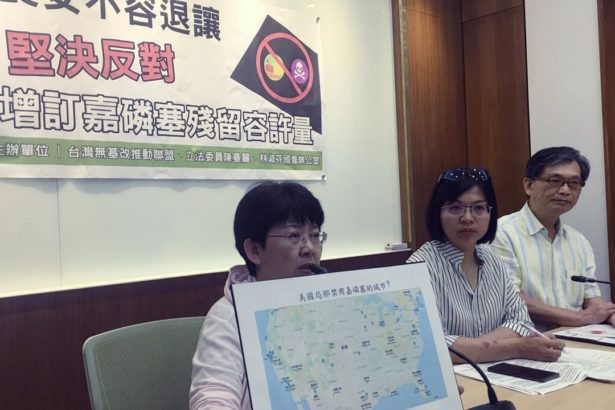
Firmly Oppose the Increase of Glyphosate Residue Limits; Food Safety Cannot Be Compromised
[20190515 Press Release] Food Safety Cannot Be Compromised; Firmly Oppose the Increase of Glyphosate Residue Tolerance
-
Clever Use of Plant Ash to Control Pests and Diseases in Ornamental Plants and Flowers
The residue left after burning plants is called plant ash. Because plant ash is the ash left after plants are burned, almost all the mineral elements contained in the plants are retained in the plant ash. The most abundant element is potassium, which typically contains 6% to 12% potassium, of which more than 90% is water-soluble and present in the form of carbonate.
-
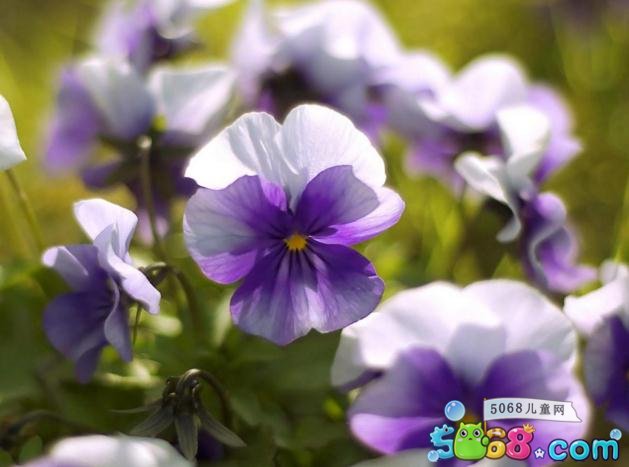
Introduction to the Ecological Habits and Disease Control Methods of Stock (Matthiola incana)
Stock is native to the Mediterranean coast and is now widely cultivated in the south of that country, and is one of the famous flowers of Europe. It can often be seen in many cities, or can be planted in gardens or greenhouses for viewing. What are the ecological habits of stock? This is a short series introducing stock disease prevention and control
-
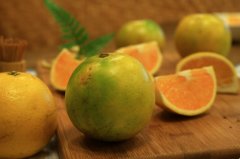
Organic Cultivation Features and Pest and Disease Control of Hongjiang Orange at Mengtian Ecological Farm
Do you think I am a yellow liuding (navel orange)? Cut me open and you will find that I have red and yellow alternating flesh! I am "Hongjiang Orange," grown from a cross of liucheng (sweet orange) and hongju (red tangerine). Because I look like a yellow liuding on the outside but my flesh is a vivid red-orange, my name is "Hongjiang Orange."
-

How to grow gladiolus? Cultivation methods and key points for pest and disease control
Gladiolus has high ornamental value and can be used in flower baskets, bouquets, vase arrangements, and more. It can also be arranged in flower beds and special flower beds, and it is also one of the world's four major cut flowers, with an excellent reputation. Below, the editor introduces the cultivation methods for gladiolus, and hopes everyone will enjoy them
-
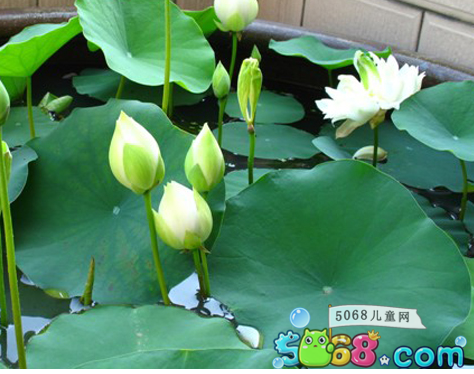
Detailed Guide to Bowl Lotus Planting Methods and Pest and Disease Control Techniques
The open flowers of the bowl lotus are very large and brightly colored. It also gives off fragrance and grows well. It is a precious aquatic flower. When propagating, pay attention to the method of making a beautiful lotus bowl. Below, the editor introduces the planting methods and pest control methods for bowl lotus. I hope everyone enjoys it
-
How to prevent and control damping-off disease in green plants and flowers at the seedling stage?
Seedling-stage diseases of flowers mainly occur during the seedling stage of flower plants. Annual herbaceous flowers often cause seedlings to suddenly collapse; seedlings of perennial flowers and the stems of W-flowers and flowers cause damping-off before the stems reach quality. The disease has multiple parasitic pathogens. Dangerous symptoms: seeds or branches become infected and rot when not yet unearthed
-
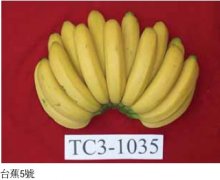
Differences Between the Banana Variety Tai Jiao No. 5 and Bei Jiao and a Comparison of Their Disease Resistance
"Tai Jiao No. 5" is commonly known as "Yushan" and belongs to the same line as "Bei Jiao"; it is a descendant in the great-grandchild generation of "Bei Jiao", selected from Tai Jiao No. 3, the 3rd generation of "Bei Jiao". In appearance, the grandparent and grandchild are extremely similar: newly planted plants are about 250-280 cm tall, with a pseudostem circumference of 69-72 cm, varying with the season, and each bunch of fruit weighs about 20-35 kg. Winter bananas (harvested from mid-January to mid-March) are lighter, while summer bananas (mid-June to late September) and some autumn bananas (after early October to mid-January) are heavier.
条件筛选