-
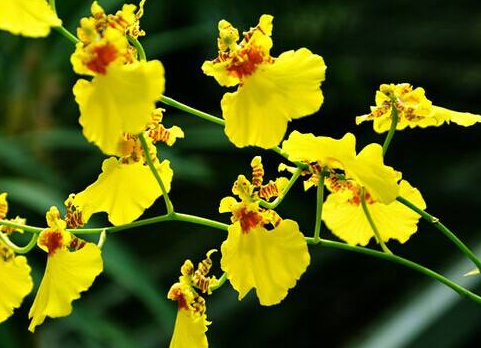
Disease Prevention and Control Methods and Key Technical Points for Oncidium
1. Mosaic disease symptoms: In the early stage, pale yellow spots appear on the leaves. Shortly afterward, the lesions cause leaf necrosis, forming sunken brown necrotic spots on the leaves, which gradually wither and die. Solution: Promptly remove diseased leaves, avoid a high-temperature and high-humidity growing environment, and appropriately increase the application of phosphorus and potassium fertilizers.
-
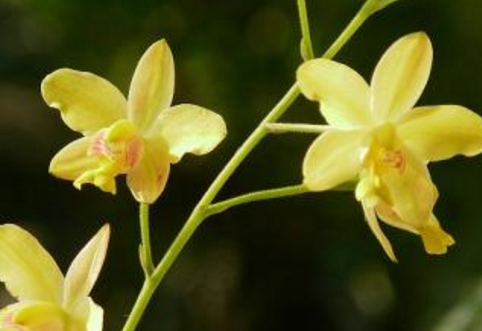
What are the disease prevention and control methods for Spathoglottis pubescens?
1. Coleosporium rust fungus Symptoms: The pathogen usually appears on the leaves, rarely on the stems, producing raised small pustules containing yellow, orange, or rust-colored powdery spores. Although Coleosporium rust fungus does not cause plant death, it hinders plant growth. Prevention and control methods: First, promptly cut off diseased leaves
-
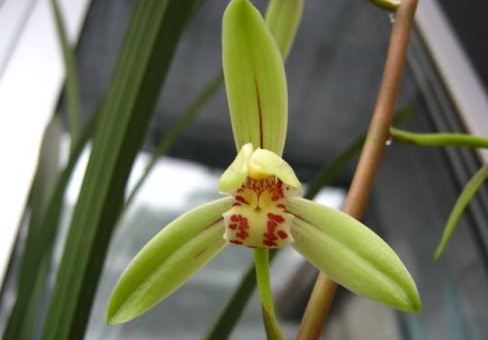
A Complete Analysis of Methods and Techniques for Preventing and Controlling Pests and Diseases in Cymbidium ensifolium
1. Southern blight symptoms: Southern blight mostly occurs during the plum rain season, mainly harming the rhizome part of the plant, causing the roots to rot and die. There will be white fungal colonies on the soil surface, the plant gradually lodges, and the plant withers. Solution: After the disease occurs, replace the soil promptly, sprinkle in lime, wash and cut off the diseased plant parts, and disinfect them
-

Coptis pest and disease control methods and key technical points
Pest and disease control methods for Coptis chinensis
-

How to prevent and treat Newcastle disease in chickens? These methods you need to master
Prevention and treatment methods for Newcastle disease in chickens
-
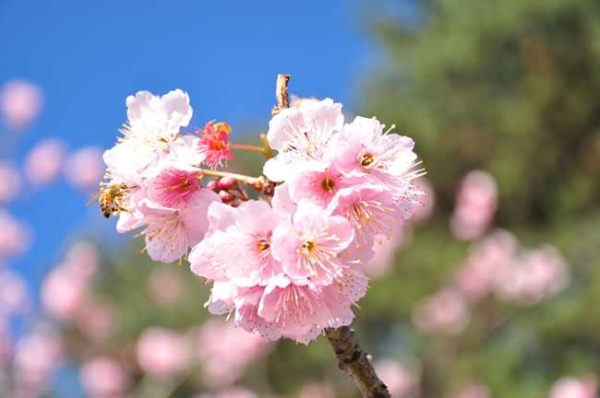
A detailed guide to planting cherry blossom trees, teaching you to grow cherry blossoms with ease
Cherry blossom trees should be grown in a pit. Before planting, dig a pit half a meter deep, fill it with 10 cm of fertilizer, and then plant. Note that when filling the soil, you can first gently lift the seedling roots upward so that the seedling roots spread out fully, then firm the soil, and then use a frame to support the seedling to prevent it from being blown over by strong winds
-
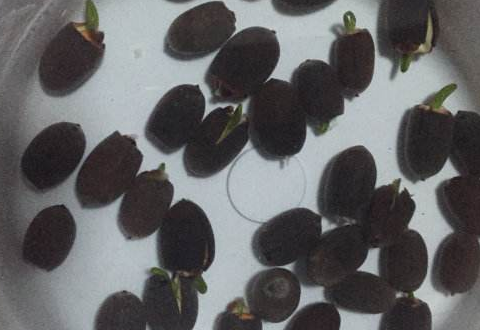
Detailed Guide to Water Cultivation of Water Lilies: Teach You to Grow Water Lilies with Ease
1. Prepare seeds, nutrient solution and a water-culture container. The selected seeds must all have a small opening, otherwise the seeds will not germinate. 2. Soak the selected seeds in water. After one day of soaking the water may become cloudy, so change to clean water and soak again; three days of soaking is enough. 3. After soaking, the seeds will sprout small shoots.
-
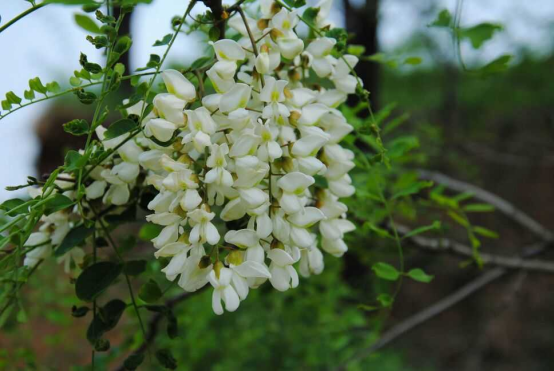
A Detailed Guide to Common Diseases of Sophora japonica Flowers and Their Control Methods
1. Sophora japonica leaf scorch disease. Symptoms: The edges of the pagoda tree leaves turn withered and yellow, and in severe cases the flowers may drop off. This disease may be caused by bacteria or by a calcium deficiency. Control methods: Do not grow pagoda trees at high temperatures, since pathogens multiply quickly in heat, and keep humidity well controlled.
-

A Detailed Guide to Pest and Disease Control for the Blue-Eyed Daisy
Because the blue-eyed daisy is relatively easy to grow and has very strong vitality, it rarely gets sick and does not suffer from many pests or diseases. The most common pest is aphids, and once this pest appears, it must be dealt with immediately
-
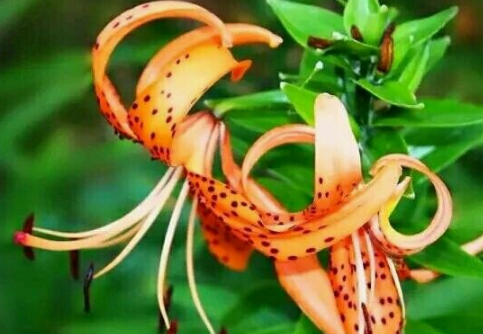
Common Disease Prevention and Control Methods and Key Technical Points for Tiger Lilies
1. Penicillium rot Symptoms: During storage, white spots grow on the spots of rotting scales, and fuzzy greenish-blue patches also appear. Eventually the pathogen invades the basal plate of the bulb, slowing the plant's growth rate. Prevention and control method: Do not plant bulbs infected by the pathogen
条件筛选