-

What are the pest and disease control methods for Prunus x cistena (purple-leaf sand cherry)?
1. Disease control methods. A strict inspection system must be implemented, and inspections must be carried out before the transport of seedlings. Once crown gall disease is found, the trees must be destroyed immediately, and the site where the diseased trees were planted must be thoroughly disinfected with quicklime or bleaching powder and other agents. Within one week after disinfection, no new seedlings should be planted in that soil.
-
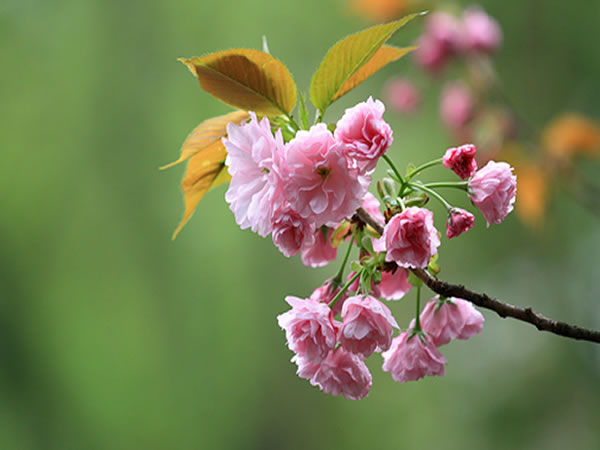
What are the common pests and diseases of Japanese late cherry?
Root nodule disease The site where root nodule disease occurs is on the ground or near the root crown close to the ground, thereby causing stunted plants and poor growth. When the disease occurs, root nodules of various shapes form on the roots of the plant, appearing brown, with rough epidermis often accompanied by cracking. Anthracnose In the early stage of anthracnose
-

What are the control methods for burdock pests and diseases?
Control methods for burdock pests and diseases
-
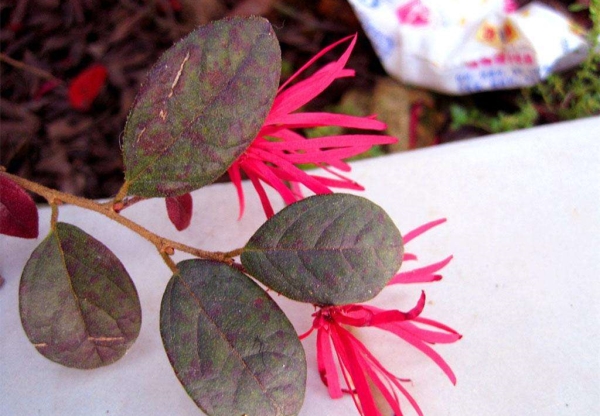
A Detailed Guide to Controlling Diseases of the Chinese Fringe Flower (Loropetalum chinense var. rubrum)
For anthracnose, if diseased leaves are found on the Chinese fringe flower, we should deal with them immediately, destroy the diseased leaves to prevent infection, improve drainage conditions, create a good ventilation environment, and carry out chemical treatment. For damping-off, we should replace the soil of the Chinese fringe flower and replant it in new soil.
-

Detailed Explanation of Common Pest and Disease Control Methods for Zucchini
Common Pest and Disease Control for Zucchini
-
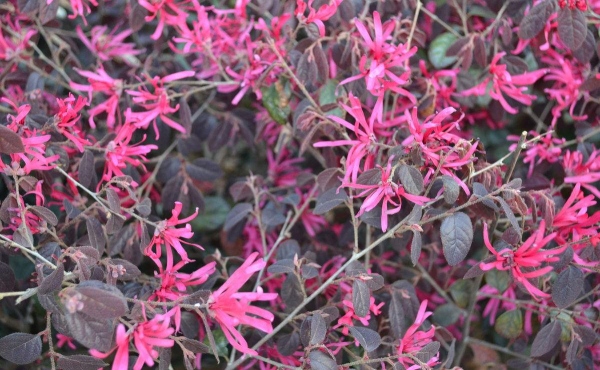
What to Do When Red Flower Loropetalum Encounters Pests and Diseases? Detailed Explanation of Prevention and Control Methods
The common diseases of Red Flower Loropetalum are mainly three kinds, namely: anthracnose, damping-off, and mosaic disease. Anthracnose: The main symptom of Red Flower Loropetalum suffering from anthracnose is the appearance of black spots on the leaves. The pathogen of anthracnose is caused by Actinomyces, and the pathogen overwinters on diseased leaves, thereby causing disease in the following year
-
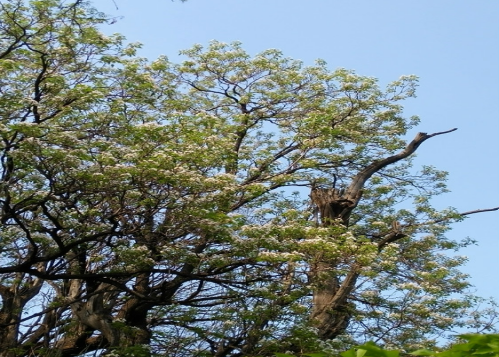
Methods and Technical Key Points for Pest and Disease Control in Catalpa (Catalpa bungei)
Anthracnose Disease Control When catalpa is infected with anthracnose, its leaves and young shoots suffer greatly, and the disease is especially likely to occur under high temperature and high humidity and poor ventilation. If infected, catalpa leaves wilt and then drop. Therefore, for anthracnose, during prevention keep the environment well ventilated and well lit, and maintain a good supply of water and fertilizer.
-
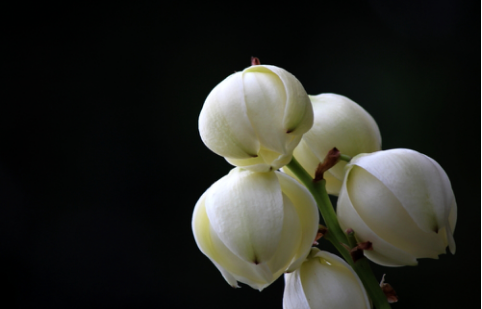
What are the common pest and disease control methods for yucca?
Yucca has relatively few pests and diseases, but control measures should still be taken. Its common pests are scale insects, whiteflies and bagworms, which can be controlled with the appropriate pesticides. Common diseases are brown spot and leaf spot, which can be controlled by spraying with the appropriate powder formulations.
-
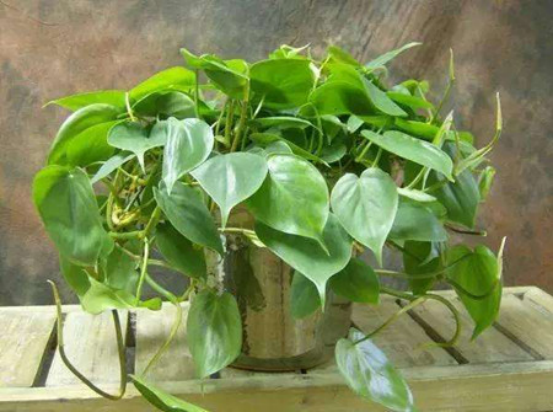
A detailed guide to heartleaf philodendron care: master the techniques with ease
1. Fertilizer supplementation: During the growing season, heartleaf philodendron needs water-soluble fertilizer applied as a top dressing, which helps its early growth; fertilize once or twice a month. In autumn and winter it is the opposite: stop fertilizing, because heartleaf philodendron almost stops growing in autumn and winter.
-
A Detailed Guide to Rosemary Pest and Disease Control
1. Diseases. The common diseases of rosemary are root rot, gray mold, etc. Control methods: Rosemary diseases occur mainly because the air environment is too humid. Once disease is found, move the plant outdoors promptly to a ventilated, cool place. 2. Pests. The main pests of rosemary are red spider mites and whiteflies
条件筛选