Detailed Guide to Water Cultivation of Water Lilies: Teach You to Grow Water Lilies with Ease
1. Prepare seeds, nutrient solution and a water-culture container. The selected seeds must all have a small opening, otherwise the seeds will not germinate.
2. Soak the selected seeds in water. After one day of soaking the water may become cloudy, so change to clean water and soak again; three days of soaking is enough.
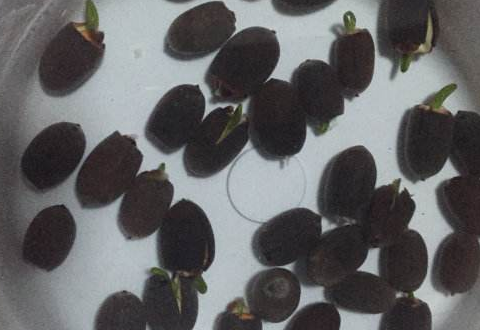
3. After soaking, the seeds will sprout small shoots. Seeds that have not germinated will not germinate, and can be thrown away.
4. Change to clean water again and add a dozen or so drops of nutrient solution to the water. After 3 days the small shoots will gradually grow, and then after another 3 days you can add another dozen or so drops of nutrient solution.
5. After some time, the small shoots will grow leaves. You can place some stones at the bottom of the water to fix the seeds in place, or you can leave them unfixed. Then the seeds will grow more leaves and gradually bloom.
How to Grow Water Lilies
Propagation Method from Water Lily Seeds
Pour the seeds into a water-filled container and place them in warm water at 25°C-30°C to encourage germination, changing the water every day; generally they will germinate in about 2 weeks. When the seedlings grow young roots, move them into a small pot for planting. After planting, place the small pot into a water vat, with the water depth just enough to submerge the young leaves by 1 cm. When the temperature rises to 17°C in April, they can be moved outdoors for cultivation. As new leaves grow, repot 2-3 times, and finally plant them in a vat or pot with a diameter no greater than 35 cm.
Pot Cultivation Method from Rhizomes
For pot cultivation, choose a pot or vat with an inner diameter of 40 cm and a depth of about 60 cm, and plant from the end of March to early April.
When planting, first put 3-4 cm of river mud in the bottom of the pot; do not fill with too much soil, and generally leave 20-25 cm of water-filling space in the upper part. Then bury the cut rhizomes below the soil surface with the terminal buds facing up, and add a little more soil to cover them; the covering depth should be such that the terminal buds are level with the soil surface, with 5-7 segments planted per pot.
Right after planting, do not add water too deep; 2-3 cm is suitable, as this helps raise the water temperature. After that, place the pot in a well-ventilated, sunny spot for care. Later, gradually deepen the water level as the plant grows.
In summer, a water depth of about 25-35 cm is suitable, and this depth should be kept constant regularly. After flowering, promptly remove spent flowers and withered leaves to prevent nutrient consumption and to keep things clean and attractive. During the growing period, apply fertilizer 2-3 times as appropriate.
Before Cold Dew, pour out the water in the pot to prevent overwintering in a cold room at around 3°C; just keep the pot soil moist without freezing. Around the Spring Equinox, combine repotting and soil changing, and apply an appropriate amount of decomposed soybean cake liquid as a base fertilizer.
Daily Management and Maintenance
Water lilies are long-day plants, so the planting site must have plenty of light and good ventilation. Water lilies have different water-level requirements at different growth stages.
In the early stage, the water level should just cover the rim of the pot, and as the leaves grow, gradually raise the water level. For potted water lilies in the early growth stage, the base fertilizer should be sufficient, so no additional fertilizing is needed; during the flowering period, apply fast-acting potassium dihydrogen phosphate.
Precautions
Throughout the growing season, be sure to remove weeds, dead leaves and algae from the water surface in the pot. If there is too much algae, spray a 0.3-0.5% solution once every half month; several consecutive applications can help control it to some extent.
How to Grow Water Lilies and Precautions for Growing Water Lilies
The water lily is a beautiful ornamental plant that can be grown at home as a potted plant, but many people know little about how to grow water lilies and do not know what to pay attention to when growing them, so they never manage to grow them well. Today I will write out how to grow water lilies and share it with everyone, and I will also tell you what precautions there are for growing water lilies.
How to Grow Water Lilies and Precautions for Growing Water Lilies1. Flower Pots and Potting Soil for Water Lilies
When growing water lilies normally, it is best to choose a flower pot that opens outward, as this benefits the growth of the water lily leaves and has a clear effect on when the water lily blooms: the larger the opening of the pot, the shorter the interval between water lily blooms. For the potting soil for growing water lilies, choose clay with relatively high stickiness or Yangmingshan soil.
2. Planting Water Lilies
When planting water lilies normally, put some base fertilizer in the flower pot, but not too much, otherwise the roots will rot. After putting in the base fertilizer, add one third of the soil, then bury the water lily corm in the soil with the bud facing outward. After planting, move it to a sunny environment, water it thoroughly, and let it grow naturally.
3. Fertilizer Management for Water Lilies
The water lily is a plant that relatively likes fertilizer. During its normal growth period, apply a top dressing every half month or twenty days. For the top dressing, you can choose a long-acting root fertilizer, but after entering September, do not fertilize the water lily anymore, because by then autumn has arrived and the water lily is about to enter its dormant period; fertilizing it again at this time will cause its roots to rot.