-

How to prevent and control early blight of tomato? Latest technical method tutorial
Tomato early blight occurs in Northeast China, North China, East China, Southwest China and other regions of our country. Its most important feature is that no matter whether the lesions occur on fruit, leaves or main stems, they all have obvious concentric rings, so it is also called ring spot disease. Fruit lesions are often near the fruit stalk,
-
How to Treat Early Blight in Peppers? A Detailed Guide to the Latest Control Methods
Pepper early blight is caused by the fungus Alternaria solani (a deuteromycete in the subphylum Deuteromycotina), which overwinters as mycelium or conidia in diseased plant residues or on seeds, and undergoes repeated infection cycles through airflow and rainwater. The disease breaks out and spreads easily at high temperatures of 26-28°C with relative air humidity above 85%. In the north
-
Tomato (Lycopersicon esculentum) Early Blight and Anthracnose: Symptoms, Treatments and Prevention
Tomato (Lycopersicon esculentum) early blight and anthracnose are relatively common tomato diseases, occurring widely in all regions, and are important diseases harming tomatoes. So what symptoms do these diseases have? What chemicals should be sprayed? How should they be prevented and controlled? Let's find out below. Tomato (Lycopersicon esculentum) early
-
What fungicide works well to control early blight in tomatoes?
Early blight in tomatoes is a constant worry for growers. So if a tomato plant gets early blight, what fungicide should be sprayed and how should it be controlled? Early blight in tomatoes occurs in northeast China, north China, east China, southwest China and other regions; the most important feature is that whether the disease spots appear on fruit, leaves or the main stem, they all have obvious concentric rings, so it is also called ring spot disease. Fruit spots are mainly near the fruit stalk, stem spots are often at the branching points, and leaf spots occur on the leaf mesophyll. A few key points are summarized below, let's take a look. <p style="text-align: center;"></p> <p style="text-indent:2em;"><span style="color:#FF8C00">1. Symptoms of early blight</span></p> <p style="text-indent:2em;">Tomato early blight mainly harms leaves, but can also harm seedlings, stems and fruit. When seedlings are infected, dark brown spots appear at the base of the stem, slightly sunken with concentric rings. When leaves of mature plants are damaged, it mostly develops from the lower leaves upward. It first appears as water-soaked dark green spots, which after expanding become round or irregular ring-patterned spots. The edges often have a light green or yellow halo, and the center shows concentric rings. When humid, black mold grows on the spots, and in severe cases the leaves fall off.</p> <p style="text-indent:2em;"><span style="color:#FF8C00">2. Occurrence pattern of early blight</span></p> <p style="text-indent:2em;">Tomato early blight is caused by infection by Alternaria solani. The pathogen can overwinter in soil or on seeds, spreads through wind and rain, and invades through stomata, lenticels, wounds or the epidermis, causing disease. The pathogen can infect repeatedly in the field, and the disease is severe during the peak fruiting period. When the temperature is 20 degrees, relative humidity is above 80 percent, or in rainy weather, the disease tends to become epidemic. Continuous cropping land, low-lying land, excessive watering or poorly ventilated plots suffer severe disease.</p> <p style="text-align: center;"></p> <p style="text-indent:2em;"><span style="color:#FF8C00">3. Control of early blight</span></p> <p style="text-indent:2em;"><span style="color:#008080">1. Chemical control of early blight</span></p> <p style="text-indent:2em;">In the early stage of disease, promptly remove diseased leaves, diseased fruit and severely diseased branches, and begin spraying fungicides. To prevent resistance and improve prevention, it is recommended to rotate, alternate or use mixed formulations, spraying once a week for three consecutive sprays. When the disease is severe, remove the central diseased plants and diseased leaves, and promptly adopt a control method combining Chinese and Western approaches.</p> <p style="text-indent:2em;"><span style="color:#008080">2. Agricultural control of early blight</span></p> <p style="text-indent:2em;">(1) Grow strong seedlings: adjust the temperature and humidity of the seedbed well, and separate the seedlings when they reach the two-leaf-one-heart stage, being careful to prevent the seedlings from becoming leggy. This can prevent disease during the seedling stage.</p> <p style="text-indent:2em;">(2) Crop rotation: tomatoes should be grown in a three-year rotation with non-solanaceous crops. Strengthen management: adopt high-ridge cultivation, fertilize reasonably, and after transplanting and seedling recovery, close the rows promptly to promote the growth of new roots. In greenhouses, control temperature and humidity well, and strengthen ventilation management.</p> <p style="text-align: center;"></p> <p style="text-indent:2em;">The above is what the Tuliu.com editor has brought you about what fungicide to spray for tomato early blight. We hope it is helpful to farmers. If you have any questions, you can leave a comment below, and I will reply to everyone promptly. See you next time.</p> <p style="text-indent:2em;"> </p>
-
Symptom Identification and Key Control Techniques for Early Blight of Tomato
During tomato cultivation, many factors can cause tomato diseases to attack, and among them, tomato early blight is a relatively serious disease. Tomato early blight is also called "target spot," occurs commonly everywhere, and is one of the important diseases harming tomatoes. For a long time,
-
Which pesticide is most effective for late blight? Causes and differences from early blight
Abstract The pesticides that can effectively control late blight include phosethyl-Al and mancozeb wettable powder, pyrimidine nucleoside antibiotics, and azoxystrobin and chlorothalonil. When the field temperature is 10°C-24°C, and the relative humidity is above 75%, or in rainy days with excessive humidity, heavy dew, and heavy fog in the morning and evening
-
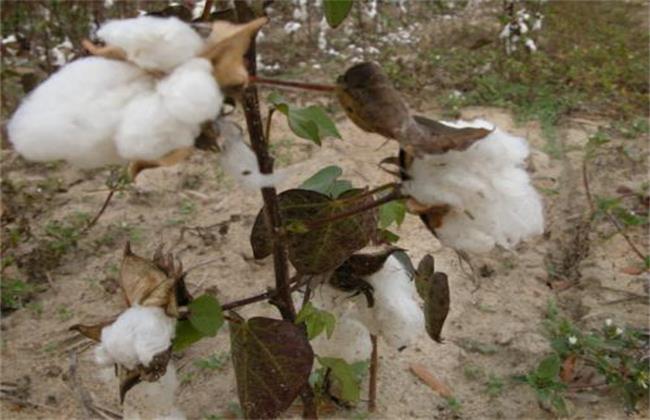
How to Prevent Early Blight in Cotton? A Full Breakdown of Practical Measures
Preventive Measures for Early Blight in Cotton
-
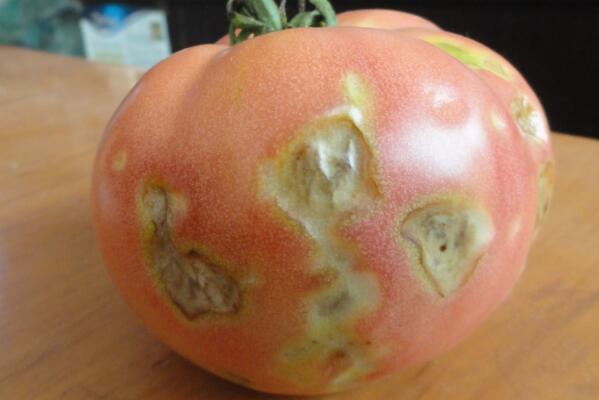
Symptoms and Chemical Control of Early Blight and Anthracnose in Tomatoes
Early blight and anthracnose are among the more common tomato diseases, occurring widely in all regions and causing serious harm to tomatoes. So what symptoms do these diseases show? What chemicals should be used? How should they be controlled? Let's take a look below
-
Control Methods and Technical Key Points for Early Blight in Cherry Tomatoes
Early blight is a major disease of cherry tomatoes, widely distributed and commonly occurring, mainly in open fields in autumn, and also occurring occasionally in protected cultivation. Generally 30%-50% of plants are diseased, and in severe cases 100% become diseased, with some branches and leaves necrotizing due to the disease, significantly affecting cherry tomato production. This disease mainly damages leaves, and in severe cases also infects...
-
How to Treat Potato Early Blight? A Detailed Guide to Prevention and Control Methods
How to treat potato early blight? Please explain the methods. Early blight control is mainly based on chemical fungicides, with protective fungicides applied as sprays. Before the disease appears, 75% mancozeb water-dispersible granules can be used at 180-200 grams per mu, sprayed once every 7-10 days for 3-4 consecutive applications. Antaisheng (propineb) and similar fungicides can also be used...
条件筛选