-
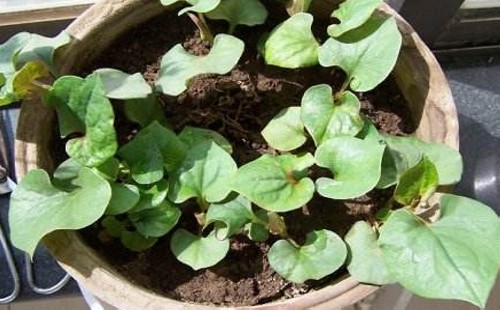
How to Propagate Houttuynia cordata? A Few Common Propagation Methods to Teach You
Houttuynia cordata can be eaten as a cold dish, used as medicine to treat illnesses, and at the same time grown as a potted ornamental plant, so it can be said to have a very wide range of uses. Houttuynia cordata itself relatively prefers shaded and moist growing environments, and fears direct strong light. In wild environments, it is mostly found in ditches and beside ponds where the light is relatively dim. So
-
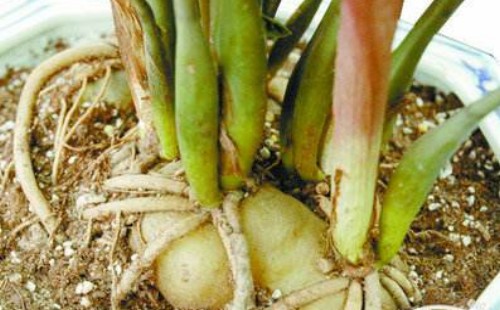
How to propagate Zamioculcas zamiifolia (ZZ plant) tubers? A few practical methods to teach you
The ZZ plant not only grows neat stems and leaves, but its leaves are also glossy and plump, and it stays evergreen all year round, so whether for greening and beautifying the environment or as a potted ornamental, its effect is often very good. In fact, the ZZ plant is also a plant that grows underground tubers and has the characteristics of fleshy roots
-
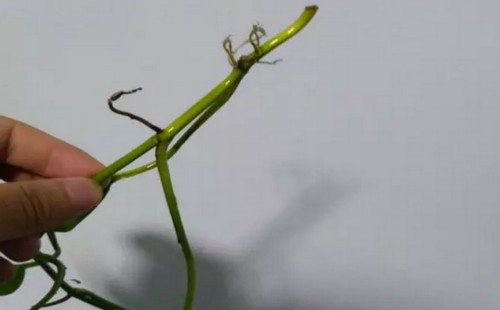
How to propagate pothos the fastest? A few practical methods to teach you
Pothos is an evergreen plant that is very suitable for foliage display, with very high practical value, as everyone can see, and pothos is also very easy to propagate, grows very quickly, and with just a little careful management it can be grown into a full pot. So, how do you propagate pothos the fastest? Determine the hydroponic timing, pothos is an evergreen plant
-

What to Do About False Growth in Rose Cuttings? A Few Remedies to Teach You
Roses root and survive from cuttings very easily, but beginners still run into the phenomenon of false growth during the cutting process. How to tell whether a rose cutting has truly taken root or is only showing false growth is often a rather headache-inducing problem. False growth looks like the cutting has survived, but in fact it is not survival in the true sense. So
-
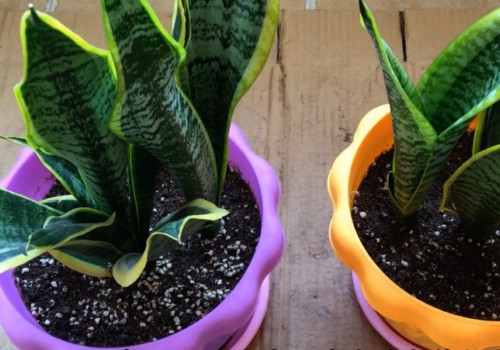
How to divide and transplant snake plants? I'll teach you the correct method
Snake plant leaves are broad, thick and large, and it grows vigorously. It is also very easy to care for, and with just a little attention you can grow it into a full pot. Especially during the peak growing season, it easily sends up side shoots. Once these side shoots grow larger, they will to some extent affect the growth of the main plant, so we need to divide them in time. So
-
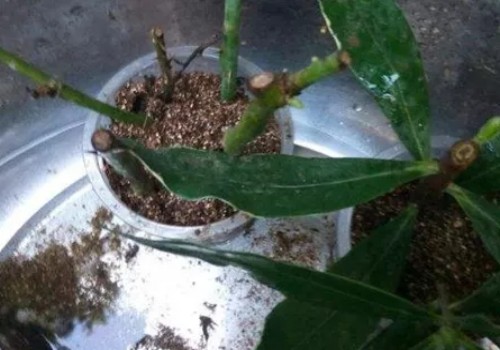
How to propagate Daphne odora 'Aureomarginata' by cuttings? Teaching you the correct method
Daphne odora 'Aureomarginata' is a plant with very fragrant and showy blooms. Because of its high ornamental value, its certain tolerance to shade, and its preference for a bright, well-ventilated semi-shaded environment, it is very suitable for growing as a potted plant indoors near a windowsill. This way it can be enjoyed for its beauty while filling the room with fragrance
-
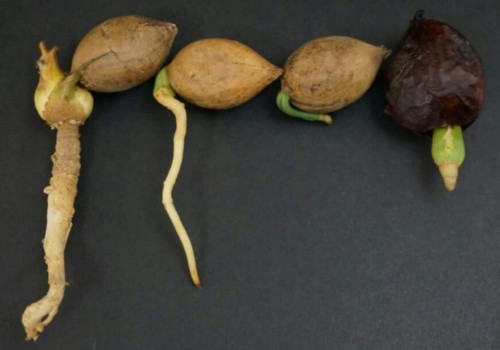
How do you sow cycad seeds? I'll teach you the correct sowing method
As the saying goes: a cycad blooming is a rare event in a thousand years. It is clear that getting a cycad to bloom is a very difficult thing, but if you really do encounter a cycad in bloom, it not only means our cultivation methods are very good, but a blooming cycad also carries an auspicious meaning. However
-

A detailed guide to the moss-planting method for landscape bonsai, teaching you to grow natural moss
At the mention of moss bonsai, we inevitably think of Japanese-style gardening landscapes. These bonsai, with their cute shapes and verdant tones, are given different themes by people's imagination; a small container is a miniature world. The benefit of making moss bonsai lies in honing our carefulness and patience.
-
How to care for a small-leaf banyan bonsai? Teach you the correct care methods
The small-leaf banyan's advantages are its beautiful form, beautiful root base, beautiful branches, beautiful bark color, beautiful leaves, and beautiful aerial roots. The banyan has vigorous roots, dense branches and leaves, grows easily, tolerates pruning, and has a long lifespan. It is also wonderfully varied and uniquely shaped, making it an excellent material for cultivating stump bonsai, and it is highly favored by many bonsai enthusiasts. Nowadays
-
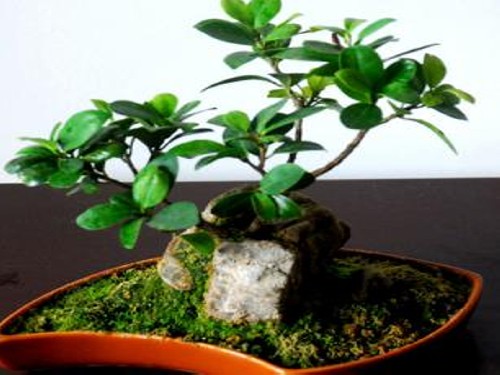
What to do if a bonsai ficus has root rot? I'll teach you the correct rescue method
Root rot is mostly caused by not mastering the watering interval well and watering too frequently. If potted flowers and plants are watered excessively, it often causes root rot, so the water used for watering flowers should be moderate. Generally, it is not advisable to water every day; it should depend on whether the potting soil is dry or wet, and usually watering once every 5-5 days is enough. If root rot has already appeared in the potted flowers, rescue should be carried out immediately
条件筛选