-
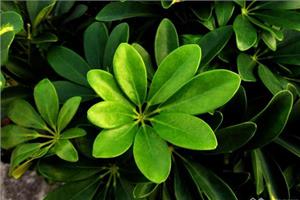
How to Grow Schefflera arboricola (Dwarf Umbrella Tree)? A Detailed Guide to Cultivation Methods and Precautions
How to Grow Schefflera arboricola and Precautions for Growing It
-

Key Techniques and Methods for Dwarfing Potted Flowers and Woody Plants
If potted flowers are not pruned and shaped during cultivation and are allowed to grow freely, their branches and leaves will become sparse and their ornamental effect will be reduced. 1. Pinching: For potted flowers...
-

How to grow Dwarf Morning Glory? Detailed guide to cultivation methods
How to grow Dwarf Morning Glory: cultivation methods for Dwarf Morning Glory
-
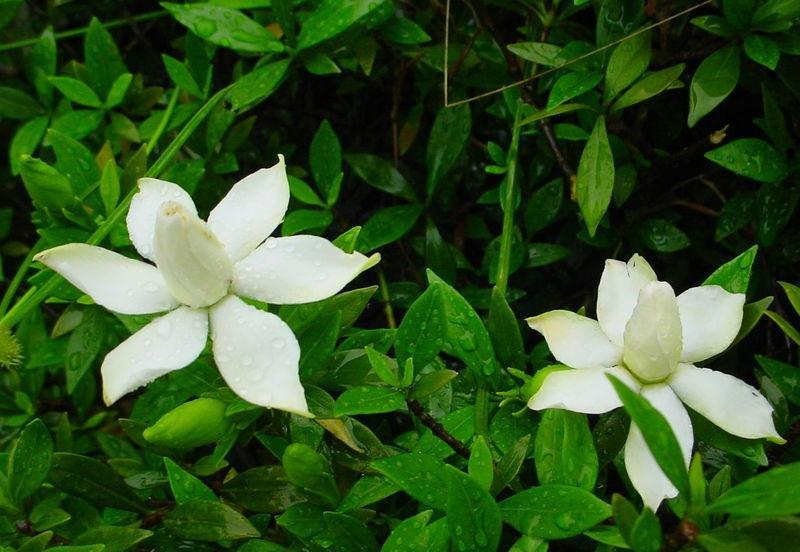
Dwarf Gardenia Pictures, Growing Methods and Precautions
Gardenia has a distinctive fragrance that is very pleasant to smell. The dwarf gardenia is presumably smaller than the common gardenia and is suitable for growing indoors. The dwarf gardenia is an evergreen shrub. Leaves are simple, opposite or in whorls of 3, obovate, leathery, emerald green and glossy. Flowers are white and extremely fragrant. Berries are ovoid, yellow or orange
-
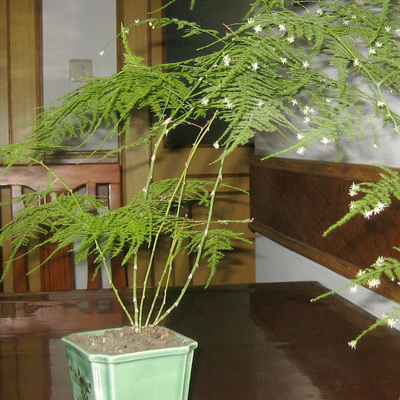
How to Grow Dwarf Asparagus Fern and How It Differs from Regular Asparagus Fern
Asparagus fern (Asparagus setaceus) is a plant many people love to grow, and it is just that popular. Is there also a kind of asparagus fern called dwarf asparagus fern? What is the growing method for dwarf asparagus fern? What are the differences between dwarf asparagus fern and regular asparagus fern: Growing methods for dwarf asparagus fern: (1) Characteristics of dwarf asparagus fern. To correctly master the growing method for dwarf asparagus fern,
-
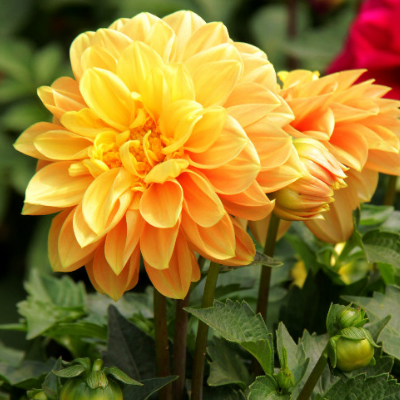
How to grow dwarf dahlia and how it differs from dahlia
When people talk about dahlia, many know it, but dwarf dahlia is a completely different flower, so what are the growing methods for dwarf dahlia? What is the difference between dwarf dahlia and dahlia? Growing methods for dwarf dahlia: soil - potted dwarf dahlia needs a suitable medium, and garden soil, cinders and fine sand can be mixed to make the medium
-

Detailed Explanation of Sweet Cherry Dwarfing and High-Density Planting Techniques
Sweet Cherry Dwarfing and High-Density Planting Techniques
-

Symptom Identification and Control Methods of Rice Dwarf Disease
The symptoms are mainly distributed in the southern rice-growing areas. Also known as rice common dwarf disease, common dwarf, green dwarf, etc. After rice is infected from the seedling stage to the tillering stage, the plant becomes dwarfed, tillering increases, leaves are dark green and stiff, and in the later growth stage the diseased rice cannot head or set grain. Diseased leaf symptoms manifest as two types. In the white-spot type, dashed-line-like yellowish-white dotted streak spots parallel to the leaf veins appear on the leaves or leaf sheaths, most obvious at the base. The new leaves above the first diseased leaf all show dotted streaks, while the older leaves below generally do not. In the twisted type, under insufficient light conditions, the heart leaf emerges twisted
-
Detailed guide to making the medicinal dish Dwarf Lilyturf-steamed Soft-shelled Turtle
The traditional Chinese medicine dish of Dwarf Lilyturf-steamed Soft-shelled Turtle has the effects of nourishing yin and invigorating blood, softening hardness and dispersing nodules. Although it can serve as a family soup dish in autumn, it can also assist in treating splenomegaly after diseases such as amenorrhea in women and malaria. Dwarf Lilyturf (Herba Lycopi) is slightly warm in nature, enters the liver and spleen meridians, and has the effects of invigorating blood and nourishing blood. The Lei Gong Pao Zhi Lun says it "can break blood and unblock long-standing accumulations"; soft-shelled turtle, also known as Chinese softshell turtle or biē, is neutral in nature and sweet in taste, with the effects of nourishing yin and blood, softening hardness and dispersing nodules. The Compendium of Materia Medica holds that it can "eliminate chronic malaria and malarial masses," and the Essentials of Materia Medica also records that it "cools blood and supplements yin, and also treats malaria." Ingredients: Dwarf Lilyturf
-
Introduction to Xianghongmi, a New Semi-Dwarf Pear Strain
Xianghongmi was bred by the Chinese Academy of Fruit Tree Research from a cross between Aixiang as the female parent and Hexincun as the male parent. In Xingcheng, Liaoning, the fruit ripens in mid-to-late August, with a development period of i00d (days). The fruit is round, with an average single-fruit weight of 175g and a maximum of 240g. The background color of the fruit is yellow-green, with a purplish-red blush on the sunny side. The flesh is milky white and fine-textured; after ripening, the flesh softens, is juicy, and has a fragrant aroma. The flavor is sweet and sour and palatable, containing 15%-17% soluble solids and 0.37% acid, of superior quality. The fruit does not store well and can be kept at room temperature for about 20
条件筛选