-

Why can "mutton" that is actually duck meat brazenly parade around at food festivals?
Just as melamine milk, Sudan red salted eggs, formalin jellyfish, clenbuterol, black-hearted cotton and the like had only just begun to subside, other food frauds came one after another - fake mutton has now taken up the baton of food fraud and is running rampant in the market. According to industry insiders
-
White-feathered Meat Duck Industry Working Committee Officially Established
Recently, the White-feathered Meat Duck Working Committee of the China Animal Agriculture Association was officially established in Beijing. More than 150 people attended the meeting, including representatives from the Ministry of Agriculture, industry experts and scholars, and white-feathered meat duck breeding and processing enterprises. The conference was chaired by Gong Guifen, Secretary-General of the Poultry Branch of the China Animal Agriculture Association.
-
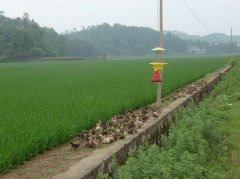
New Technology for Ecological Duck Farming in Rice Paddies: An Introduction to Efficient Duck Farming Methods
Natural ecosystems are diverse, with various organisms coexisting in harmony. We can raise many animals in rice paddies to increase income. Let's take a look at how to raise ducks in the fields. Also, beneath this beautiful ecology lie troublesome problems. For organic farms
-
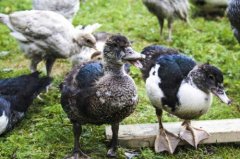
What Are the Key Points of Duck Farming Methods and Disease Prevention
Nowadays, the economic income from duck farming is quite high, so there are also many farmers raising ducks, but raising good ducks is not easy. So how should you raise them? There are many problems in the farming process, and below we will solve these problems for you. Ducks grow fast,
-
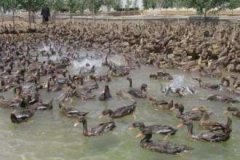
Causes and Treatment of Sand-Shelled Eggs in Laying Ducks
What causes laying ducks to produce sand-shelled eggs? It is generally caused by calcium deficiency, as the main component of the eggshell is calcium. So how do you treat sand-shelled eggs in laying ducks? When the proportion of thin and soft-shelled eggs increases, gradually add 0.1% calcium to the daily ration and observe
-
What is the difference between duck rice and ordinary rice?
Duck rice is the short name for a planting model of organic rice, in which ducklings 20 days old are released into rice paddies about 15 days after transplanting, and the ducks and the rice grow together and complement each other. So what is the difference between duck rice grown this way and ordinary rice? For those who do not know,
-
How Do Wild Ducks Spend the Winter? Uncovering the Wintering Habits of Wild Ducks
The wild duck is a kind of waterfowl, and its numbers are very large. It is a general name for many kinds of wild ducks, with more than ten species. So how do wild ducks spend the winter? 1. How do wild ducks spend the winter? Wild ducks are migratory birds. Under natural conditions, they migrate south in autumn to spend the winter. In China, they
-
How Does Lesser Duckweed Reproduce? A Detailed Guide to Duckweed Propagation Methods
Lesser duckweed can also be called water weed, floating melon leaf, duckweed, floating grass, and so on. So how does lesser duckweed reproduce? Let's take a look together! 1. How does lesser duckweed reproduce? Lesser duckweed mainly reproduces by seeds and by division. Seed propagation involves collecting
-
Mao Ji'ao's Brilliant Methods for Raising Ducks and Preventing Duck Diseases: Greenhouse Duck-Raising Techniques
Abstract The most important thing in Mao Ji'ao's duck raising and duck disease prevention is to improve the duck rearing model, changing ground-based duck raising to online duck raising, reducing the ducks' contact with soil, and keeping the ducks away from pathogens. The specific method is to tie ordinary plastic netting together with bamboo strips, then
-
How to Raise Jianchang Ducks? Key Points on Breeding Technology and Feeding Management
Abstract At the beginning of raising Jianchang ducks, site selection must be done well; it is better to choose a place with flat terrain and a clean water source. Then choose healthy and vigorous ducklings to raise. During raising, 23 hours of light and a temperature of about 31 degrees are needed for brooding. Drinking water
条件筛选