-

Detailed Explanation of Dry Direct Seeding Technology for Rice and Causes of Dead Seedlings in Dry-Raised Seedlings
Rice is a type of grass in the genus Oryza, and it is also the most important and longest-cultivated grain species in the genus Oryza. Now let's introduce dry direct seeding technology for rice and the causes of dead seedlings in dry-raised seedlings. Growers should read carefully. Direct seeding of rice mainly has strong drought tolerance
-
What are the technical key points for fertilizing the seedbed for dry-raised rice seedlings?
The main advantages of the dry-raised rice seedling technique are a short seedling age, strong seedlings, and convenient management. It can be used for machine transplanting and manual hand transplanting, with high work efficiency and good quality. It is suitable for adoption under different production systems. So what are the technical key points for fertilizing the seedbed for dry-raised rice seedlings? According to experimental research and
-
What are the rearing methods and advantages of dry-land raising of laying ducks?
Female ducks from the start of laying until culling are all called laying ducks. Generally, the service period of egg-type Shelduck ducks is about 350 days (150-500 days of age), called the first laying year; some are also used in the second and third years after molting and resting, but their production performance declines year by year
-
Key Field Management Points 5-7 Days Before Transplanting for Dry-Raised Rice Seedlings
As one of the rice industry demonstration county projects, Dapai Village, Shangguan Town, Dali City, has a rice area of 1425 mu this year, with a yield target of 750 kg/mu. To achieve high and even higher rice yields, agricultural technicians at both the city and town levels have gone into villages and households, gone deep into the fields, and earnestly guided
-
Technical Specification for Rice Seedling-Throwing Cultivation with Plastic Trays and Dry Raising
Variety selection According to different cropping rotations, variety characteristics and the safe full-heading stage, select high-quality, high-yield, stable-yield varieties with strong tillering ability and good stress resistance that are suitable for local planting, either balanced panicle-grain type or large-panicle type. In the riverside and southern Jiangsu areas, early-maturing late japonica rice varieties are mainly used, supplemented
-
Detailed Explanation of Dry Branch Plum Planting Methods and Cultivation Techniques
Abstract Seedling raising and planting: Generally, seedlings are raised in a greenhouse, and the seedling raising temperature needs to reach above 18°C. Sandy soil is preferable inside the shed, then the land is prepared and beds are made. After watering thoroughly, sow in holes or broadcast. When the seedlings grow to 5-7cm, they can be transplanted. Transplanting and planting: Beds can be made on flat land, while holes can be dug on sloping land
-
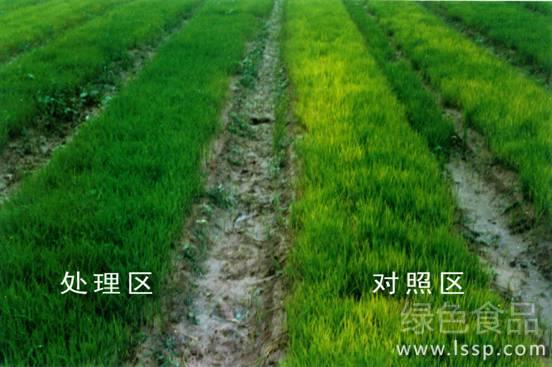
Detailed Explanation of the Key Technical Points for Rice Dry-Nursery "Baomu" Seedling Raising
Analysis of the Key Technical Points for Rice "Dry-Nursery Baomu" Seedling Raising
-
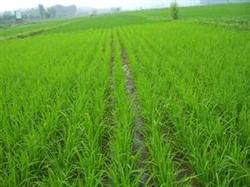
Detailed Explanation of Rice Dry-Raising and Dry-Planting Cultivation Techniques
Dry-raising and dry-planting refers to the practice, when dry-raised early rice seedlings reach the suitable seedling age for throwing and transplanting but the field is dry and lacking water for paddy preparation, of directly spraying herbicide to control weeds, then making holes with a wooden stick or opening furrows with a shovel, and then transplanting the seedlings. Key points of the cultivation technique (1) Paddy field treatment: before planting, spray the paddy field with herbicide to control weeds; options include...
-
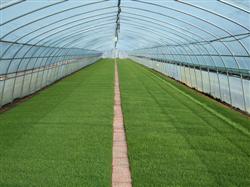
Key Technical Points for Dry Seedbed Raising of Rice Seedlings in Plug Trays under Large and Medium-Sized Plastic Tunnels
(1) Seed selection. Choose varieties of superior quality, high yield, disease resistance and medium-to-upper tillering capacity that tend toward the heavy-panicle type. In the first accumulated temperature zone, represented by Wuchang and Tailai, suitable main varieties include Wuyoudao No. 1, Songjing No. 2, Tengxi 140, Wudao No. 3 and Mudanjiang 19; in the second accumulated temperature zone, represented by Ning'an, Fangzheng, Yanshou, Huachuan and Suihua...
-
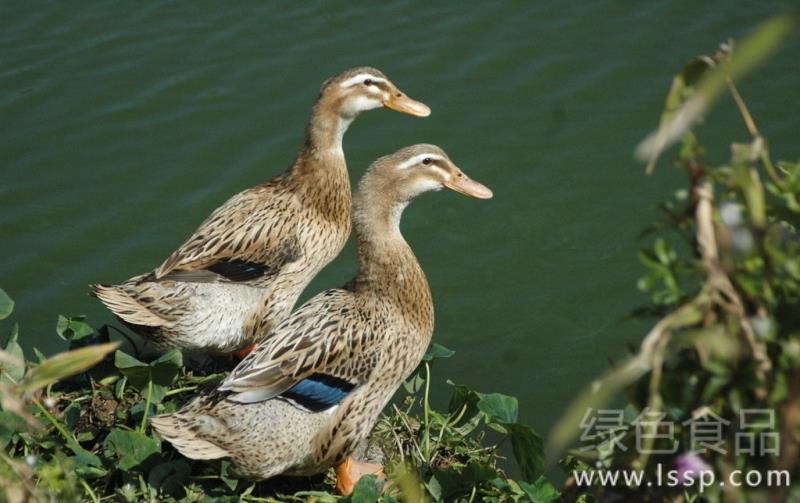
How to Raise Ducks in Water-Scarce Areas: Key Points for Intensive Dry-Raising Management of Dense Duck Flocks
How to Raise Ducks in Water-Scarce Areas: Key Points for Intensive Dry-Raising Management of Dense Duck Flocks
条件筛选