-
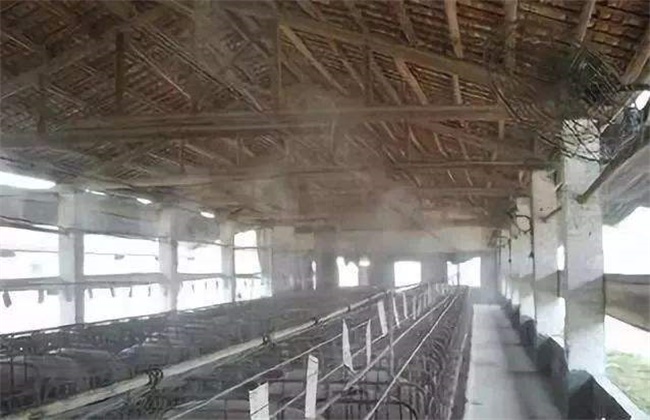
How to prevent heatstroke and cool down a pig farm in summer? A detailed explanation of practical measures
Heatstroke prevention and cooling measures for pig farms in summer
-
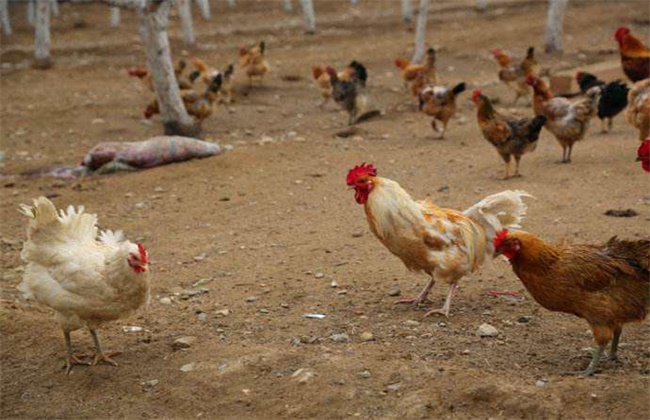
Practical Tips for Preventing Heatstroke and Cooling Down Chickens in Summer
How to Prevent Heatstroke When Raising Chickens in Summer
-
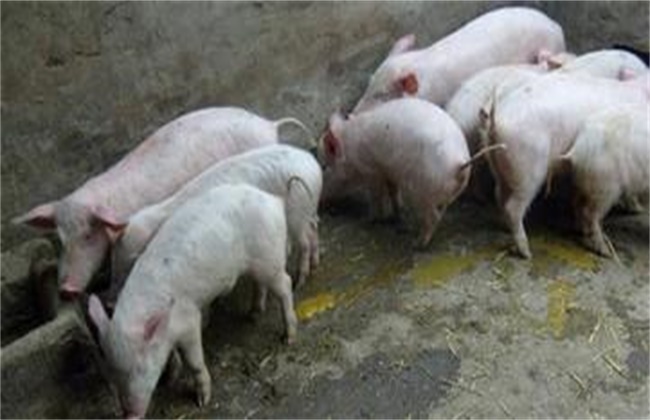
What to Do About Piglet Diarrhea? A Full Breakdown of Prevention and Treatment Methods
What to Do About Piglet Diarrhea
-

How do you care for Portulacaria afra 'Medio-picta'? A full breakdown of growing methods and things to watch out for
Portulacaria afra 'Medio-picta' is commonly propagated by cuttings or grafting. Cuttings are usually taken during the growing season; the cuttings can be the branches trimmed off during shaping, and there are no strict requirements on length...
-
How to Achieve High Yields in Rice-Field Crayfish Farming? A Full Breakdown of the Key Techniques
I. Removing Silt and Disinfecting in Winter and Spring Due to the characteristics of crayfish living habits, they generally prefer water environments with good water quality and abundant dissolved oxygen, and in the water environment...
-

What to Do When Your Dog Is Noisy? 8 Ways to Calm Your Dog Down
Actually, barking is a dog's nature, but some dogs are just more talkative than others. If you also have a dog that can never stay quiet, you might want to try the following methods. 1. More exercise: A sufficient amount of exercise can burn off a dog's energy. After playing or running all day, a dog would rather get a good sleep than waste more energy barking. 2. Chew on bones: If there is something to keep a dog's mouth occupied, they will not have time to bark randomly. The harder something is to chew up, the more challenging it is, so next time when you are about
-
Detailed Explanation of the Methods and Steps for Training a Dog to Lie Down
Lie-down training is about developing the dog's ability to lie down quickly in response to the owner's command. Command: "Down"; hand signal: for the front-facing down, raise the right hand, then extend it forward and level, with the palm facing down; for the side down, point the right hand downward from in front of the dog. First have the dog sit on the left side, the owner steps forward with the right leg, bends the body forward and downward, then uses food held in the right hand to lure the dog. When the dog shows it wants to get the food, take the opportunity to slowly move the food from below the dog's mouth forward and downward, while giving the "Down" command. When the dog lies down, immediately
-
How to prevent respiratory disease in chickens? A full breakdown of practical measures
Measures to prevent respiratory disease in chickens: 1. Select chicks of reliable quality and carry out vaccination properly. Choose hatching eggs free of disease infection to hatch chicks, ensuring the chicks' health. At the same time, the purchased chicks should be properly vaccinated against infectious bursal disease, infectious bronchitis, infectious laryngotracheitis and infectious coryza to prevent the invasion of pathogens such as mycoplasma, which is also the key to preventing chronic respiratory disease. 2. Strengthen feeding management and reduce stress factors. In winter and spring, when the weather is cold, it is essential to greatly strengthen
-
Methods and Precautions for Collecting Goose Down and Feathers
I. Plucking Feathers from the Carcass: This means collecting all the goose down and feathers at once after slaughter, and it is further divided into three collection methods: hot-water scalding, steam plucking, and dry plucking. The hot-water scalding method is also called the immersion scalding method or the scalding-and-de-feathering method. After the goose is slaughtered, collect the blood and drain it as thoroughly as possible to ensure the quality of the goose carcass and internal organs, leaving no residual blood in the carcass, keeping the body surface clean and attractive, and ensuring good meat quality. It is best to pluck the large quills from both wings (tip quills, knife quills, and fluff quills) before scalding and store and sell them separately. Otherwise, if mixed into the feathers, they will not only affect down quality but will also be treated as waste and wasted.
-
What Dental Diseases Do Dogs Get? A Full Breakdown of Common Types
The most common dental diseases in dogs are gum disease and broken teeth. Periodontal disease is not only harmful to the teeth, but also affects the bone and soft tissue around them, ultimately causing tooth loss. When a dog first develops dental disease, plaque usually appears, and plaque is a breeding ground for bacteria. If plaque is not dealt with promptly, it turns into tartar, and bacteria spread through the bloodstream and can affect the health of the dog's heart, lungs, kidneys, liver and other internal organs, causing disease. There is an old Chinese saying: prevent trouble before it happens. What good ways are there to prevent dental disease in dogs? Correct
条件筛选