What to Do About Piglet Diarrhea? A Full Breakdown of Prevention and Treatment Methods
Piglets have relatively weak resistance, so diarrhea in piglets is a common occurrence. It affects their growth and development, and in severe cases can lead to death. So what causes piglet diarrhea? How should it be prevented and treated? Let's take a look.
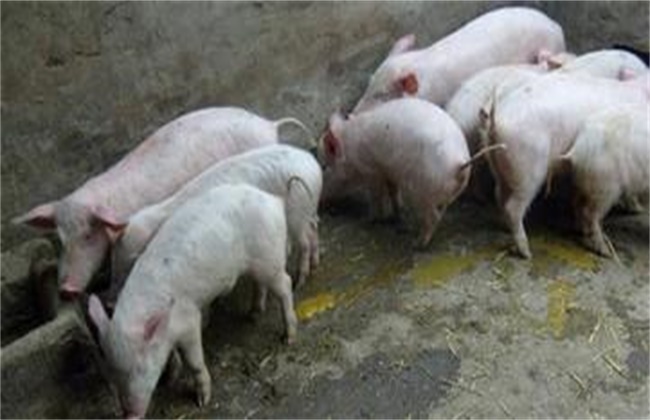
1. Causes of Diarrhea
Generally, there are three main causes of piglet diarrhea. The first is pathological diarrhea, usually caused by epidemic diarrhea virus, infectious gastroenteritis, and rotavirus, either alone or in combination; this type of diarrhea has a short onset period and an extremely high mortality rate. The second is physiological diarrhea, which differs from pathological diarrhea in that it is caused by the incomplete development of the piglet's digestive system; the digestive system and its own temperature regulation are not fully developed, its resistance to the external environment is poor, immunity declines, and microorganisms in the gastrointestinal tract multiply, causing diarrhea. The third is stress-induced diarrhea, which is generally caused by weaning, changes in the rearing environment, and changes in feed; especially after weaning, piglets are highly prone to stress-induced diarrhea.
2. Preventive Measures
In preventing and treating piglet diarrhea, prevention matters more than treatment. Focus on preventing diarrhea in sows and preventing it early in piglets, minimize stress reactions as much as possible, increase the vitamin content in feed, and ensure the feed's palatability. During the piglet rearing period, the breeding site must be thoroughly disinfected and sterilized to minimize pathogenic microorganisms in the pig house. After piglets are born, they should be given iron supplements, and an appropriate amount of salt should be added to drinking water, which can promote the development of the digestive system and prevent piglets from developing physiological diarrhea.
3. Treatment Methods
The treatment for piglet diarrhea is fluid replacement. Among the commonly used fluid replacement methods, the fastest-acting is intravenous injection, but piglets have few veins and the procedure is relatively difficult, so it is hard to popularize. The commonly used method is fluid replacement through drinking water, which is suitable for treating large groups; add 30 units of rehydration salts per kilogram of drinking water and let the diarrheic piglets drink freely until the diarrhea symptoms disappear. There is also intraperitoneal fluid replacement, which uses inverted restraint: lift the piglet upside down with its belly facing the injection, insert the needle between the second and third teats from the rear, 2-3 cm from the midline of the belly, piercing at 90 degrees to the abdominal wall to a depth of 3 cm; after piercing the abdominal wall, when there is no resistance, and aspiration returns no blood or abdominal contents, the medicinal solution can be injected. The solution is generally normal saline, glucose, penicillin, etc., with agents added according to the actual situation; the usage and dosage depend on the size of the piglet, and it is recommended to have a veterinarian perform the procedure.
The above is an introduction to what to do about piglet diarrhea. We hope it helps you. For more related knowledge, please stay tuned to us.