-

What does "flowers but no seeds" mean in rapeseed cultivation?
What is rapeseed "flowers but no seeds"? What methods are there to prevent and control it? Please explain. Rapeseed "flowers but no seeds", also called stunted sterility, means that from the onset of the disease to maturity, the plant keeps flowering continuously but cannot set seed normally. The main cause is a physiological disease caused by growing rapeseed on boron-deficient soil, mainly occurring in Brassica napus varieties, but in recent years it has also been found in Brassica rapa rapeseed. After the disease occurs, yields generally drop by 20% to 30%, and in severe cases there is even almost no harvest, making it a problem worth attention in rapeseed production.
-
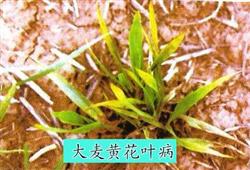
Barley cultivation: What harm does barley yellow mosaic disease cause?
What harm does barley yellow mosaic disease cause? Please let me explain the harm of barley yellow mosaic disease: When the disease occurs at the seedling stage, short chlorotic streaks parallel to the leaf veins first appear on the unexpanded young leaves; later, as the leaves expand, the chlorotic spots merge into irregular chlorotic mosaic patterns; the leaves become stiff and erect, the leaf color turns yellow, and some...
-
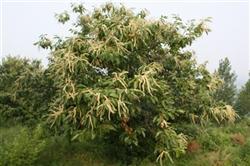
What are the reasons a chestnut tree blooms but does not bear fruit?
Why does a chestnut tree bloom but not bear fruit? What causes it? How can it be solved? We also ask experienced netizens to help explain. Zhongdiwang has compiled the reasons why chestnut trees bloom but do not bear fruit and why fruit drops, listed below for netizens' reference. Reasons a chestnut tree blooms but does not bear fruit: Reason one, lack...
-

What kind of growing conditions does the cultivation of the almond mushroom (Agaricus subrufescens) require?
What conditions are suitable for the growth of the almond mushroom (Agaricus subrufescens)? We would also like friends to help introduce them. The conditions suitable for the growth of the almond mushroom (Agaricus subrufescens) are listed below for reference: 1. Temperature requirements for the growth of the almond mushroom (Agaricus subrufescens): it is a medium-temperature to high-temperature type mushroom; the mycelium growth temperature range is 15--32°C, with the optimum at 22--26°C; the fruiting temperature range is 16--33°C, ...
-
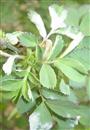
What harm does peony powdery mildew cause? Essential knowledge for peony planting
What harm does peony powdery mildew cause? How do you prevent and control peony powdery mildew? Please advise. The harm of peony powdery mildew: white powdery mold spots appear on the leaves, often expanding and joining together into patches, and can even cover the entire plant's leaves and stems, causing premature aging or death of the plant. Prevention and control methods for peony powdery mildew: 1. Strengthen...
-
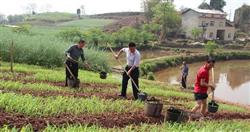
What role does water play in each growth stage of sorghum?
What roles does water play in each growth stage of sorghum? Please provide an introduction. The water requirements of sorghum during its growth period are as follows: sowing can be done when the soil moisture content is 15%-20%. The water requirement at the seedling stage accounts for 8%-15% of the total water requirement of the whole growth period. The most suitable soil moisture content is 50%-65% of the field maximum water holding capacity...
-
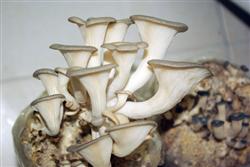
What kind of growing environment does oyster mushroom (Pleurotus pulmonarius) cultivation require?
What kind of environment is suitable for oyster mushroom (Pleurotus pulmonarius) growth? Please introduce the environment suitable for oyster mushroom growth; you can refer to the following: Nutrition. The growth and development of oyster mushroom (Pleurotus pulmonarius) require carbon, nitrogen and various mineral nutrients. It is a saprophytic fungus, and like other fungi, it does not contain chlorophyll and cannot carry out photosynthesis to produce nutrients on its own, relying entirely on ready-made organic matter for its livelihood...
-
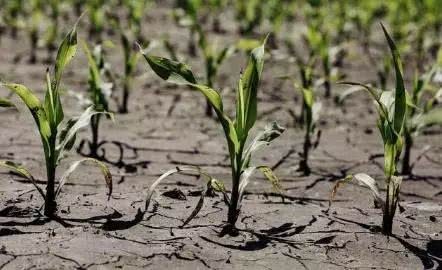
What effects does drought have on corn during its critical growth period?
China has a vast territory, and its climate distribution shows a high degree of diversity, with rainfall varying considerably across the country. Generally speaking, in North China and the Huang-Huai-Hai region, rainfall in July and August is somewhat low, and farm...
-
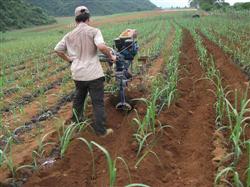
Why does sugarcane need hilling? A detailed explanation of planting techniques
Why does sugarcane need hilling? What are the benefits of hilling sugarcane? How do you hill sugarcane? Let us introduce each one by one. Zhongdiwang has compiled the benefits and methods of hilling sugarcane, listed below for netizens to refer to. Hilling sugarcane because the sugarcane stem borer (stalk borer), besides harming sugarcane seedlings and causing deadheart seedlings, also...
-
What harm does cilantro sclerotinia rot cause?
What harm does cilantro sclerotinia rot cause? What causes cilantro sclerotinia rot? We also ask experienced netizens to help explain. Zhongdiwang has compiled the harm and causes of cilantro sclerotinia rot, listed below for netizens' reference. Harm of cilantro sclerotinia rot: cilantro sclerotinia rot mainly damages the stem base, followed by...
条件筛选