-
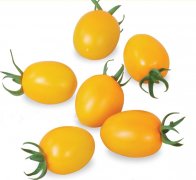
How does the excellent new tomato variety Huangrong taste?
Among the tomato varieties available now, two are yellow: one is Summer Sun, and the other is Huangrong. Today let us first learn about what kind of tomato Huangrong is and what characteristics it has. Huangrong tomato is an indeterminate cherry
-
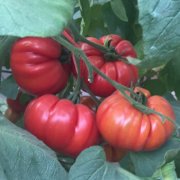
How does the new tomato variety T'lado tomato taste?
Have you heard of the new tomato variety T'lado tomato? The most distinctive feature of this tomato is its shape, which is like the shape of a pumpkin, though not as big as a pumpkin. The single fruit weight of the T'lado tomato is around 200-250 grams. This variety is a popular variety in European and American home vegetable gardens
-
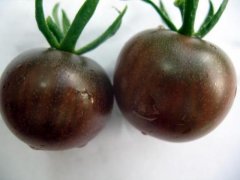
Is the Black Beauty tomato genetically modified? A full breakdown of its sugars and composition
Did you know there is a black tomato? This tomato is a variety developed in the United States. Its nutritional value is higher than that of other tomato varieties, and its sugar content is the same too. The sugar content of the Black Beauty tomato reaches 12% to 14%. This tomato is not suitable
-
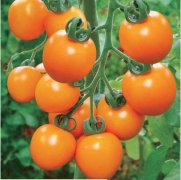
Introduction to the latest cherry tomato variety Huangmizhu, how does it taste?
Cherry tomatoes are all relatively small, just like cherries, so they are called cherry tomatoes. Among cherry tomatoes there is a variety called Huangmizhu, and its color is a bright, glossy yellow. Do you know this kind of tomato? If not, then let's take a look together.
-
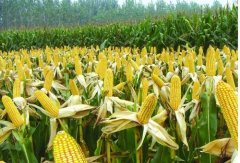
Does corn have a lot of pesticide residue? What anti-cancer substances does corn contain
A tech industry boss said that corn seed fertilizer is used poorly, that corn has a lot of pesticides, and that putting corn in hot pot turns the broth into poisonous soup, causing public panic. In fact, this is wrong. Because when corn sends out young tender ears, the ear picked from the top is baby corn, and the remaining
-
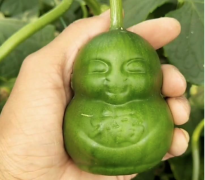
What Does a Cucumber Look Like, and How Do You Grow Ginseng-Fruit-Shaped Cucumbers?
We are all familiar with the cucumber as a fruit, and cucumber growing techniques are relatively simple. The fruit is oily green or emerald green, with soft small spines on its surface. The fruit shape is oblong, round or cylindrical. But have you ever seen a "ginseng fruit" cucumber? 201
-
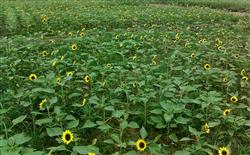
How long does the sunflower bloom last? How long can it generally continue
How long is the sunflower's blooming period? How do you manage the sunflower's blooming period? Is there any netizen who knows about this who can help introduce it? The main blooming period of planted sunflowers is generally from mid-July to mid-August and late August. The sunflower blooming period means that when 75% of the sunflower's ray florets have opened, it enters the flowering stage. The sunflower's blooming period can last up to two weeks...
-

Why does lotus root only grow leaves and not rhizomes?
Why does lotus root only grow leaves and not rhizomes? How should lotus root be fertilized? Experienced gardeners are asked to help explain. The main reason lotus root does not form rhizomes is that balanced fertilization was not achieved: too much nitrogen fertilizer was applied and too little potassium fertilizer. To achieve high quality and high yield in lotus root, you need to "reduce nitrogen, control phosphorus, and increase potassium." Therefore Zhongdiwang has compiled the lotus root...
-

What does virus-free potato mean? This article explains it in detail for you
What is a virus-free potato? What characteristics do virus-free potatoes have? We also ask knowledgeable readers to help explain. Zhongdi Web has compiled the disadvantages of non-virus-free potatoes and the advantages of virus-free potatoes. The following is a detailed list for readers' reference. Disadvantages of non-virus-free potatoes: Potatoes are rich in nutrients and have a short growth period...
-

What does "flowers but no seeds" mean in rapeseed cultivation?
What is rapeseed "flowers but no seeds"? What methods are there to prevent and control it? Please explain. Rapeseed "flowers but no seeds", also called stunted sterility, means that from the onset of the disease to maturity, the plant keeps flowering continuously but cannot set seed normally. The main cause is a physiological disease caused by growing rapeseed on boron-deficient soil, mainly occurring in Brassica napus varieties, but in recent years it has also been found in Brassica rapa rapeseed. After the disease occurs, yields generally drop by 20% to 30%, and in severe cases there is even almost no harvest, making it a problem worth attention in rapeseed production.
条件筛选