-

Detailed Explanation of Key Techniques for Direct Seeding and Seedling Cultivation of Schisandra chinensis in Open Fields
Select a sunny plot with loose soil, flat terrain, moist soil and no water accumulation, and make a low bed 1.2---1.4m wide, 10m long, with a level surface. Sowing uses the drill method. Before the autumn freeze, open shallow furrows 2-3cm deep on the prepared seedbed at a row spacing of 15cm, sow 100g of seeds per bed, cover with soil 3---4cm thick, water thoroughly, press down lightly, then cover with 10cm of leaves or a layer of rice straw to maintain moisture and protect against cold, and remove it when the seedlings emerge. To prevent damping-off and other soil-borne diseases,
-
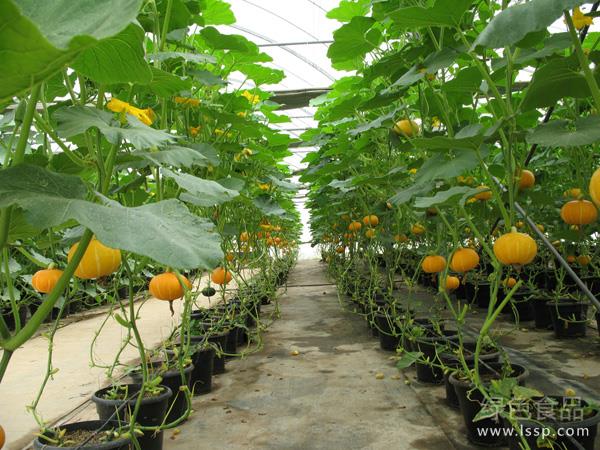
Pumpkin Cultivation and Management Techniques: From Seedling Raising and Transplanting to Direct Seeding and Gap Filling
Pumpkin Cultivation and Management Techniques: Seedling Raising, Transplanting, Direct Seeding, and Gap Filling
-
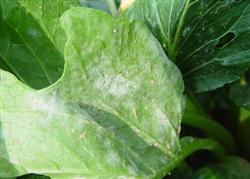
Detailed explanation of the double-low rapeseed minimal and no-tillage relay direct seeding cultivation technique
Controlling rapeseed powdery mildew well is a prerequisite for obtaining high yield and high quality in rapeseed, while autumn-sown rapeseed at the final flowering stage and the middle-to-late pod stage is precisely in the March-April period of high temperatures and shading between plants, when powdery mildew occurs rather commonly, greatly reducing the 1000-grain weight of rapeseed and thereby affecting yield; therefore, the control of rapeseed powdery mildew is very important. 1. Harm...
-
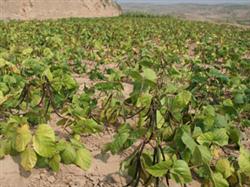
Key Technical Points for Direct Seeding Cultivation of Mung Bean in Summer
When mung bean seedlings reach the 2-leaf 1-heart stage, remove the clustered seedlings. Thin to final stand at the 4-leaf stage, with a plant spacing of 13 to 16 cm and a row spacing of about 40 cm, leaving 10,000 to 15,000 plants per mu; for late-sown fields, up to 20,000 plants per mu may be retained. From emergence to flowering and canopy closure, mung bean must be kept free of weeds through frequent cultivation and hoeing, generally no fewer than 4 times, with the depth of cultivation going from shallow...
-
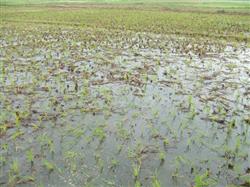
Detailed Explanation of Rice No-Till Dry Direct Seeding Cultivation Technology
(1) Paddy field selection: Select a field where the previous crop was rice and which has not been plowed for no-till dry direct seeding cultivation. Fields with many malignant weeds, heavy clay soil, etc. are not suitable for no-till cultivation. (2) Weed treatment: 4 to 6 days before sowing, choose a sunny or cloudy day with a temperature above 15 degrees, use 10% "Glyphosate" 2 kg + 20% "Gramoxone" 100 ml per mu, diluted in 60 kg of water (four containers of water), and add one tablespoon of laundry detergent to each container of water, then spray to control weeds. If rain occurs within 4 hours after spraying, re-spray, otherwise the weed control effect will be poor.
-
Detailed Explanation of Summer Direct Seeding Cultivation Techniques for Mung Bean
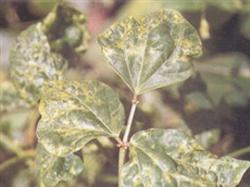
Symptoms: This disease mainly occurs during the rainy season in summer and autumn. After the leaves are infected, brown round to irregular blister-like spots appear on the leaves, initially water-soaked, later becoming gangrenous, and in severe cases becoming suberized. Multiple lesions can often be seen clustering together to form large gangrenous-type lesions. Brown small spots or streak-like spots also appear on petioles and pods when infected...
-
Paris polyphylla planting time: when is best for direct seeding, seedling transplanting and rhizome planting
Paris polyphylla likes warmth and moisture and fears frost, and its planting time varies with the propagation method. This article introduces the seed germination method for Paris polyphylla, as well as the suitable times for direct seeding, seedling transplanting and rhizome planting, along with field management and harvesting points, to help you grow Paris polyphylla well.
-

Rice is currently mostly direct-seeded. Does direct seeding give a better harvest than transplanting?
Summary: Which is better for rice, direct seeding or transplanting, and which method is more suitable for farmers to use? My hometown is in the Yellow River basin. Although it is located in the north, the irrigation conditions are very good, so rice is also grown locally. However, locally at present...
-
Direct-seeded rice saves time and labor - which rice varieties are suitable for direct seeding?
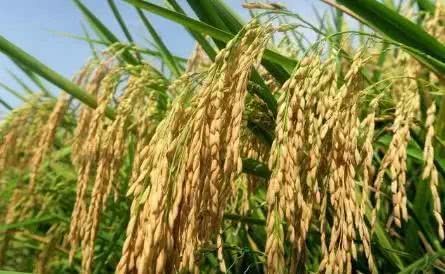
As a large amount of labor migrates to cities and towns, and with the development of herbicides, direct-seeded rice has developed quite rapidly in our country because it saves labor, especially in the middle and lower reaches of the Yangtze River. In some provinces, the area of direct-seeded rice has reached more than half, and...
-
Direct Seeding Afforestation Techniques for Castanopsis fissa
Direct Seeding Afforestation Techniques for Castanopsis fissa
条件筛选