-

What is the difference between Yulan magnolia and purple-flowered Yulan magnolia
Yulan magnolia, also known as white Yulan magnolia, is a deciduous tree of the Magnolia genus, with an oval or flattened-spherical crown and grayish-brown bark. Its single leaves are alternate, obovate-rounded, with a abruptly pointed tip. The flowers are terminal, with flower buds formed in the previous autumn, blooming before the leaves. The flowers are white, fragrant, 10-16 cm in diameter, upright bell-shaped, with 9 tepals, obovate, white, arranged in whorls of three, and numerous stamens and pistils. Its main variety is the purple-flowered Yulan magnolia (var. FurFurascens), whose tepals are purplish-red outside and clear white inside. Both magnolias are highly favored by people. Yu
-

What is the difference between mini monstera and monstera
Mini monstera is also known as window-leaf monstera and oblique-leaf monstera. It belongs to the same genus as monstera. The mini monstera plant is short and small, and its perforations do not run through between the pinnate lobes like those of monstera; instead, they run through the long oval leaves along the midrib, and the leaves are not divided
-
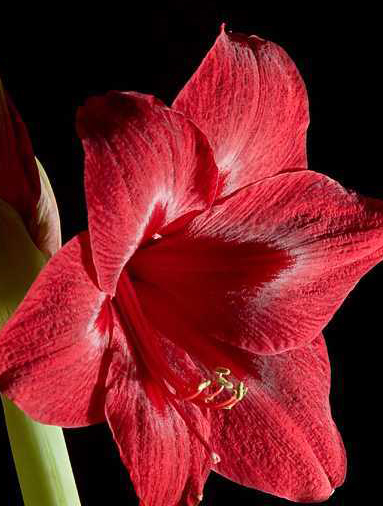
What is the difference between amaryllis and belladonna lily? A quick guide to tell them apart
Amaryllis (scientific name: hippeastrum rutilum) is a perennial herbaceous plant of the genus Hippeastrum in the Amaryllidaceae family. Its bulb is plump and nearly spherical, 5-10 cm in diameter, with a pale green or yellowish-brown outer skin. The leaves grow opposite on both sides, are strap-shaped with tapering tips, and number 2-8.
-

What is the difference between grape hyacinth and hyacinth?
Comparison of grape hyacinth and hyacinth. Hyacinth and grape hyacinth are both perennial bulbous flowers of the Hyacinthaceae family, and are different varieties of the same type of plant. Botanically, the two are not of the same genus, and each has its own series of varieties. As ornamental flowers, they both have low-growing plants, brightly colored and rich inflorescences
-

Did you know there are ten different ways to say "deep-fry" in Minnan? Chen Shu-hua's "Cooking Talk by the Stove" unearths the voices of Taiwan's everyday food
Did you know there are ten different ways to say "deep-fry" in Minnan? Chen Shu-hua's "Cooking Talk by the Stove" unearths the voices of Taiwan's everyday food
-
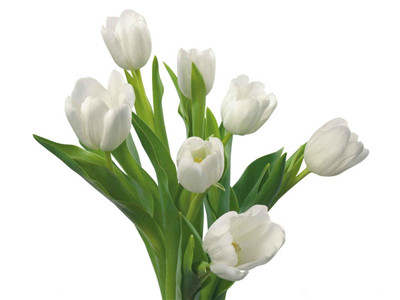
What causes tulip petals to show different colors?
When cultivating tulips, sometimes the petal colors are not pure, showing color variations of different shades. This happens because the tulips have contracted color-breaking petal disease. Tulip color-breaking petal disease is a viral disease that has a major impact on tulips, reducing the value of cut flowers, and
-

Pruning Technique Essentials for Citrus Trees of Different Ages
Pruning Techniques for Citrus Trees of Different Ages
-
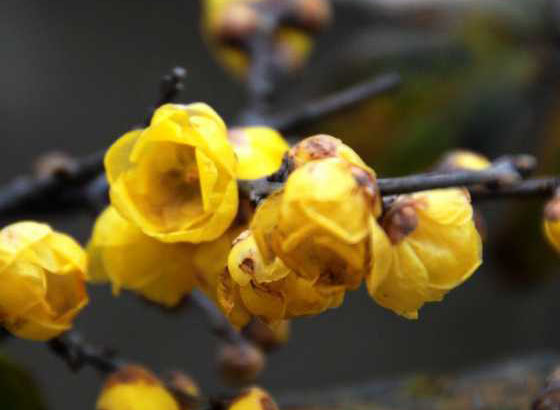
What are the differences and connections between wintersweet and plum blossom?
Wintersweet is a deciduous or semi-evergreen shrub. The flowers are borne singly in the leaf axils of one-year-old branches; the sepals and petals are not clearly differentiated, the outer whorl is yellow, the inner whorl often has purplish-brown stripes, with a waxy texture, and the fragrance is strong. Wintersweet and plum blossom share similarities: both bloom before leafing out, both flower in winter and spring, and both are fragrant.
-
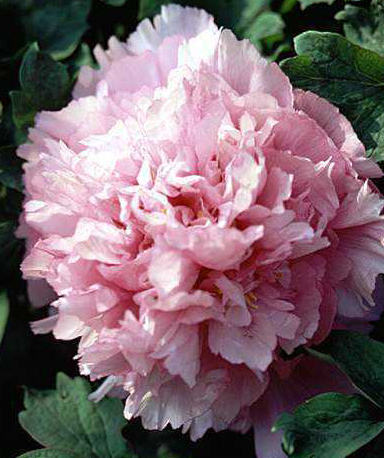
What is the difference between tree peony and herbaceous peony? A quick guide to telling them apart
The biggest differences between tree peony and herbaceous peony are: 1. The tree peony is a shrub, with woody stems; apart from the current year's green growth, the other stems are brown; the herbaceous peony is a perennial herb, with herbaceous green stems, and all above-ground parts wither in winter. 2. The tree peony has bipinnately compound leaves.
-
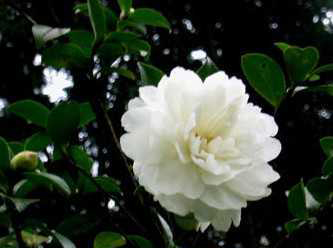
What is the difference between Camellia sasanqua, Camellia japonica and Camellia oleifera?
1. Camellia sasanqua and Camellia japonica are sister flowers of the same genus, with many similarities in form, but also differences. For example, the young shoots and main veins of Camellia japonica are hairless, while the young branches and main veins of Camellia sasanqua both have fine hairs, and the small leaves also have fine hairs on both sides. The flowers of Camellia sasanqua open flat, with petals spreading out
条件筛选