-

What causes yellowing and dieback in peach trees? The latest analysis is here
Peach tree yellowing is the most common disease in peach tree cultivation. It not only affects the growth of peach trees, but also has a major impact on peach tree yields. So what are the causes of peach tree yellowing? Let's take a look at the detailed introduction. 1. Diseases Root
-
What Causes Shoot Dieback in Pomegranate Trees? Detailed Prevention and Control Measures
The pomegranate tree is relatively common, especially in winter and early spring, when young shoots are highly prone to frost injury, and in spring they are highly prone to dehydration, drying up and dying, which seriously affects the flower bud differentiation of pomegranates and deals a severe blow to yields. So what causes pomegranate shoot dieback?
-
Causes of Button Mushroom Dieback and Control Methods
Button mushroom cultivation is fairly common in China, and cultivation techniques are constantly developing now; both greenhouse and factory cultivation achieve relatively high yields. The economic benefits of button mushrooms are good; they not only have high nutritional value, but also have the advantages of a short growth cycle and easy management.
-
How to Effectively Treat Camellia Dieback Disease
Camellia is also known as mountain camellia. Camellias come in various shades of red, purple, white and yellow, and some even have variegated petals, while the flowering branches can reach up to 4 m in height. Today we will explain how to treat camellia dieback disease. 1. How to treat camellia dieback disease. Cam
-
Control Methods for Chestnut Blight in Chestnut Cultivation
Chestnut blight, also known as chestnut dieback and canker, is a worldwide disease. Both seedlings and fruiting trees can be infected; in mild cases it reduces afforestation survival rates and yields, while in severe cases it causes afforestation failure or total crop loss of an entire chestnut grove. Xitaoyuan Forest Farm in Mingguang City
-
How to prevent twig dieback in young pomegranate trees in severe winter? Detailed explanation of cold protection methods
Twig dieback in young pomegranate trees refers to the phenomenon in which some branches shrink and dry out or die after the tree overwinters. In northern China, winters are cold and dry, early spring has little rain and much wind, and evaporation is high, while young pomegranate trees grow a lot each year and the pith of the branches has poor water retention. Therefore, in a severe winter, twig dieback is likely to occur.
-
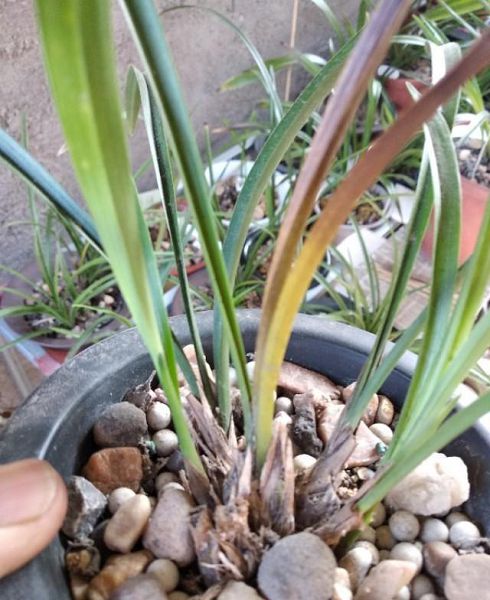
Orchid yellow leaves and leaf dieback: how to handle it? Water and fertilize this way, and turning yellow leaves green is easy
Orchid yellow leaves and leaf dieback: water and fertilize this way, and turning yellow leaves green is easy
-
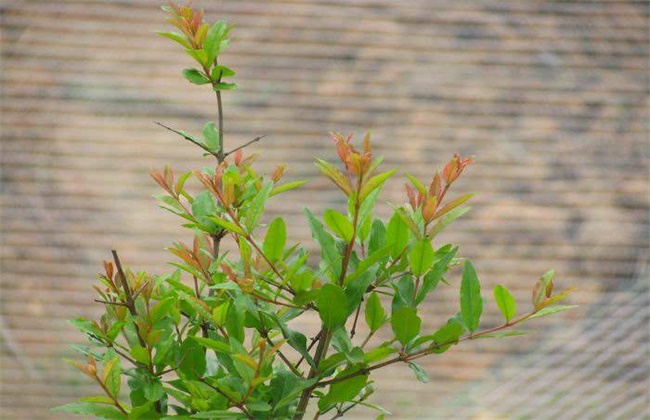
Detailed Explanation of the Causes of Shoot Dieback in Pomegranate Trees and Control Measures
Causes of Shoot Dieback in Pomegranate Trees and Control Measures
-
How do you tell whether leaf dieback in potted orchids is natural or caused by disease?
How to distinguish natural leaf dieback from disease-caused leaf dieback in potted orchids
-
How to prevent almond winter dieback? A detailed guide to practical methods
In northern regions, especially in areas with strong spring winds, winter dieback is prone to occur. The root system of almonds has no natural dormancy; although some cultivars can tolerate low temperatures of -18°C, winter dieback can also occur in windy, dry weather below -10°C. When transpiration water loss from branches reduces their water content to 35%, winter dieback occurs. Sometimes it also occurs on 2- to 3-year-old branches, causing serious effects on tree growth and fruiting. The main technical measures to prevent winter dieback are as follows: 1. Establish shelterbelts to create a good growing environment. Establishing shelterbelts,
条件筛选