-

Analysis and Reflections on the Disease Development Trends of Laying Hens and Broilers
At present, with the scaling up and intensification of poultry farming, poultry diseases are gradually tending toward younger age of onset and increasing complexity, especially diseases of laying (and meat) chickens, which are becoming more and more complex. Once an outbreak occurs, it is very difficult to eradicate, greatly reducing economic returns. The following is a summary of the new characteristics of disease epidemics in laying (and meat) chickens during production, for the reference of fellow farmers. I. Tendency toward younger age of onset and early disease onset: respiratory symptoms appear as early as 3-5 days of age in meat poultry, manifesting as slight nasal shaking and coughing, especially after the first vaccination with the small triple vaccine, due to immune
-
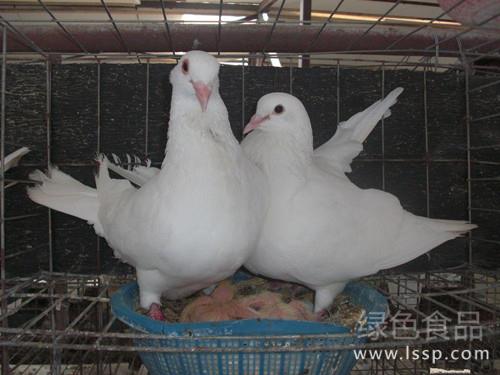
How to formulate a daily ration for meat pigeons? Only with adequate nutrition can they develop fully
Only with adequate and comprehensive nutrition can they develop well: principles for formulating a daily ration for meat pigeons
-
Current Status, Existing Problems and Future Development Directions of Sericulture in Guizhou
1 Current Status of Development As a traditional export industry of China, the cocoon and silk industry, since entering the "10th Five-Year Plan" period, has adhered to a market-oriented approach, taken development as its theme, and relied on reform, opening up and scientific and technological progress as its driving forces. By comprehensively applying the state's reform and development policies, strengthening macro-control, and intensifying structural adjustment, it has effectively overcome the phenomenon of "drastic fluctuations," enabling the entire industry to emerge from the trough and basically maintain sustained and steady development. The quality of economic operation has improved markedly, with production capacity, efficiency and export earnings surpassing the best historical years. "Chinese silk
-

-
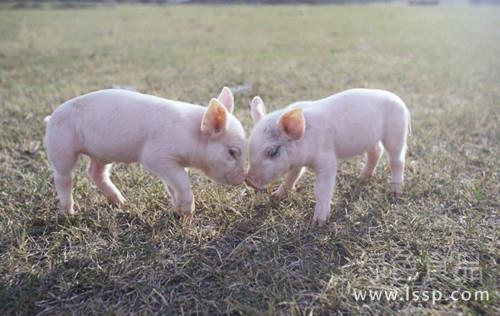
Sarcoptic mange in pigs requires focused prevention and treatment in winter and spring; mild cases develop blisters, while severe cases cause cracked skin
Mild cases develop blisters, severe cases cause cracked skin; pay attention to preventing and treating sarcoptic mange in pigs in winter and spring
-
What should be done when a sow develops a fever after farrowing?
What should be done when a sow develops a fever after farrowing?
-
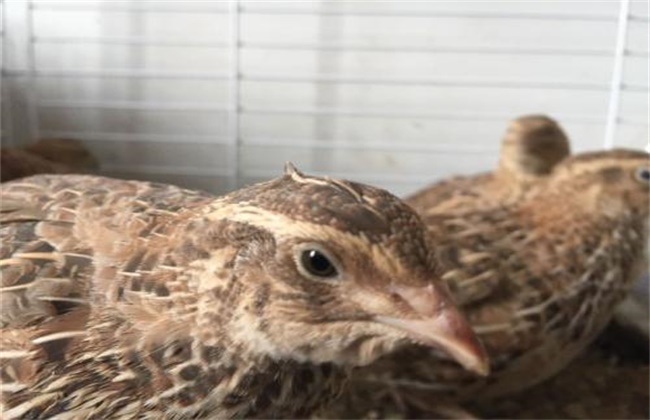
Why do quails develop feather-pecking disorder? Causes and prevention measures
Causes and prevention measures of feather-pecking disorder in quails
-
Ecological farming model helps fine-tune the development of animal husbandry
In China, besides large-scale farming, the ecological farming model that combines planting and breeding has also become mainstream in pig production. After fermentation treatment, the pig manure and urine from pig farms become...
-
2018 Meat Donkey Farming Prospect Analysis and Development Trends
As 2017 draws to a close and 2018 is about to begin, what is a good prospect to farm? As the weather gets colder and colder, the meat donkey sales market has reached an unprecedented peak season and is growing larger and larger...
-
A Comprehensive Interpretation of the Development of the Ornamental Fish Industry
I. Overview of the Development of China's Ornamental Fish Industry 1. The Development History of China's Ornamental Fish Industry China is the hometown of the goldfish. Goldfish have been kept by Chinese people for more than 2,000 years, and were introduced to the West in the early 16th century, where they were highly favored by European and American countries and called the "sacred fish of the East." Goldfish have become a worldwide species and occupy an important position among ornamental fish. 2. The Current Development Status of China's Ornamental Fish Industry The rapid development of ornamental fish in China began in the late 1980s and early 1990s
条件筛选