Ecological farming model helps fine-tune the development of animal husbandry
In China, besides large-scale farming, the ecological farming model that combines planting and breeding has also become mainstream in pig production. After fermentation treatment, the pig manure and urine from pig farms become high-quality organic fertilizer for vegetables, fruit trees and forage grass; the vegetable gardens and orchards attract tourists to come and pick produce and sightsee, and the forage grass is used to feed the pigs... This not only solves the pollution problem of pig farms, but also brings higher economic and ecological benefits than raising pigs alone.
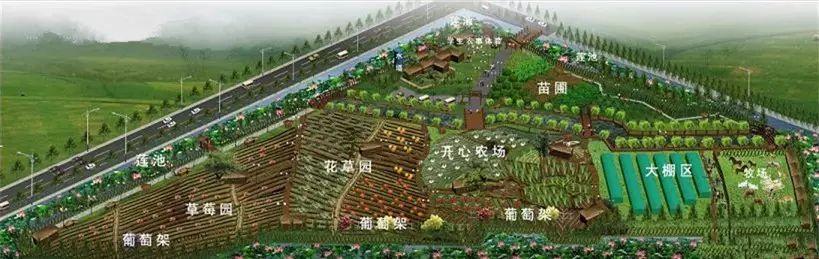
For this reason, ever since backyard raisers withdrew in large numbers, family farms have sprung up rapidly and become the main force in the pig market, occupying more than half of it. Some have developed into farm resorts by adopting a model of planting -> specialty dining -> rural tourism -> deep processing of products; others use a free-range model to raise local specialty pigs, such as Taihu pigs and Meishan pigs from Jiangsu, Exi black pigs from Hubei, Ningxiang spotted pigs and Daweizi pigs from Hunan, Bama fragrant pigs from Guangxi and so on, selling specialty meat through annual pig pre-orders. But at present, very few family farms (or farm resorts) truly achieve a balance between ecological planting and breeding and obtain good economic benefits.
The pig manure pollution problem is still unsolved, and planting and breeding cannot be combined?
Sales of local specialty pig breeds are limited?
The traditional free-range cycle is long, and economic benefits cannot be guaranteed?
The flavor and texture of the pork are poor···
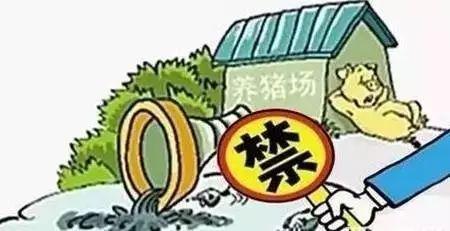
Using the "combination of planting and breeding" ecological farming model to develop and expand the pig industry is indeed a good choice! But how can a true balance between planting and breeding be achieved and good economic benefits obtained? To this end, the director of the Hunan Collaborative Innovation Center for Livestock and Poultry Safety, of Hunan Agricultural UniversityProfessor Wen Lixinproposes"refined animal husbandry", that is, appropriately scaled farmers (family farms, farm resorts) use the ecological farming model combining planting and breeding to raise an appropriate number of pigs; pig manure is transformed through the farm's fruits and vegetables or fisheries, and pig urine is treated environmentally or enters the agricultural cycle, with no manure discharged to the outside. They produce antibiotic-free, safe, nutritious and delicious meat and organic agricultural products, making animal husbandry "refined" and achieving more efficient and economical animal husbandry and ecological benefits than large-scale farming!
1. On a small scale, in coordination with farm resorts, combining planting and breeding, ecologically friendly
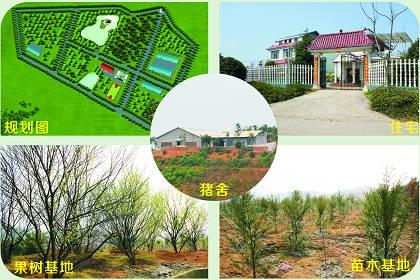
To realize the ecological farming model, it is essential to upgrade and transform pig farms into highly efficient and pollution-free family farms, and family farms are also a project strongly supported for development under the Central Document No. 1. The "refined animal husbandry" farming scale does not need to be too large: 5-10 finishing pigs per year matched with 1 mu of land. The pig farm uses a scientific feeding formula, and after fermentation treatment, the pig manure and urine serve as high-quality fertilizer for vegetables, fruit trees, forage grass and so on, achieving a balance between planting and breeding and returning to the original eco-friendly approach.
2、Changing the previous pseudoscientific feeding methods
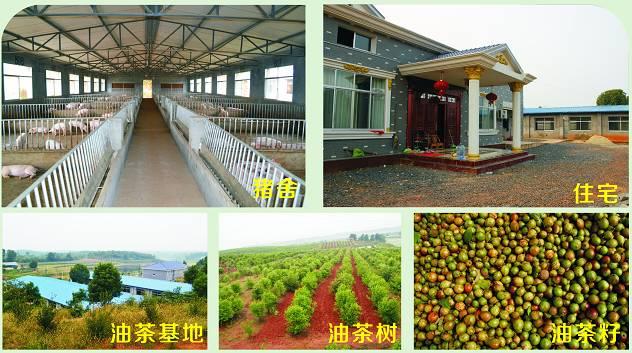
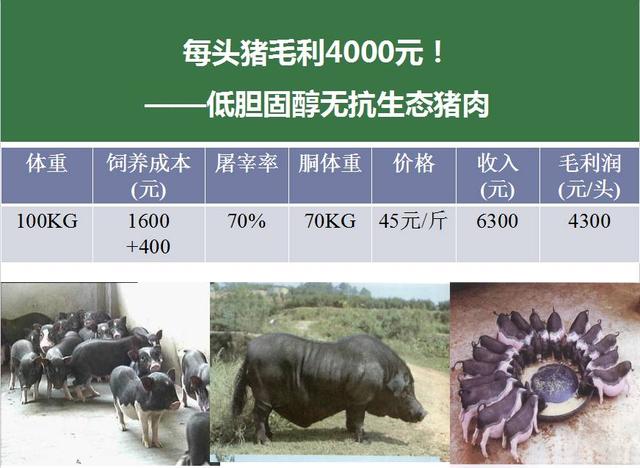
To create local breed characteristics, most farm resorts use the traditional free-range model. This method has a long feeding cycle, high pressure from parasite infection, and unbalanced nutrient intake; the health of the pig herd cannot be guaranteed, supply is low, and costs are high. At the same time, prices are also high, demand is limited, and economic benefits are constrained. "Refined animal husbandry" advocates changing the traditional free-range feeding model and adopting modern scientific farming methods to produce high-quality pigs, making the supply of high-quality pork the norm, with stable pork quality, excellent flavor and texture, and both nutrition and safety. Farms can improve economic benefits through multiple sales models such as daily sales of high-quality meat, specialty dining, deep processing of pork products, and custom annual pigs.
3、Scientific feeding formula creates ecologically flavored pork
The pigs on the farm must be different from market pigs, ensuring absolutely safe and ecological raising while also having better flavor and texture! Professor Wen Lixin has introduced a patented feeding formula for "refined animal husbandry," adopting a modern farming model. After the pigs are slaughtered, their flavor and texture can reach the level of free-range pigs, which solves the problems of free-range raising being unhealthy and having a long cycle, while also increasing the competitiveness of pork flavor and texture. At the same time, by removing intermediaries, the whole process from farm to table is realized, allowing consumers to obtain traceable, healthy meat!
4. Raising finishing pigs throughout, saving manpower, materials and financial resources
"Refined animal husbandry" also advocates cooperating with specialized breeding pig farms. The farm only needs to raise growing-finishing pigs until they are ready for market. The project team can provide a source of high-quality piglets, avoiding the trouble of the farm's own financial investment and insufficient technology in raising sows, saving manpower and material resources. One person can raise the pigs well.
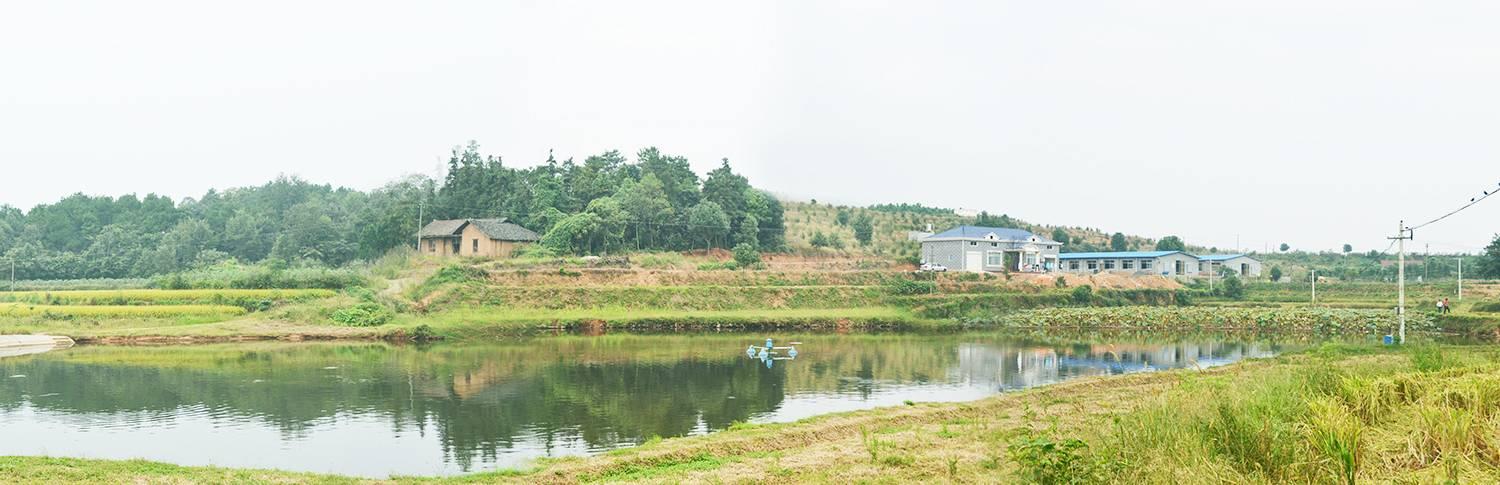
Therefore, refined animal husbandry, as opposed to traditional "rough animal husbandry," is based on "fine" and "special," with the goal of producing high-quality, high-value-added agricultural and livestock products. Through a premium, efficient and ecological feeding model, it raises the level of animal husbandry and the value of the industrial chain, and realizes ecological farming at a standardized, ecological, industrialized, safe and distinctive level, thereby enhancing and expanding economic benefits.