Why do quails develop feather-pecking disorder? Causes and prevention measures
Quails are one of the smallest poultry species, and many people have made their fortune by raising quails. However, during the rearing process, some farmers often see quails pecking at feathers, eggs, and vents. In fact, this is feather-pecking disorder, a common condition in quails. So what exactly is quail feather-pecking disorder? How should it be prevented and treated? Let's take a look together.
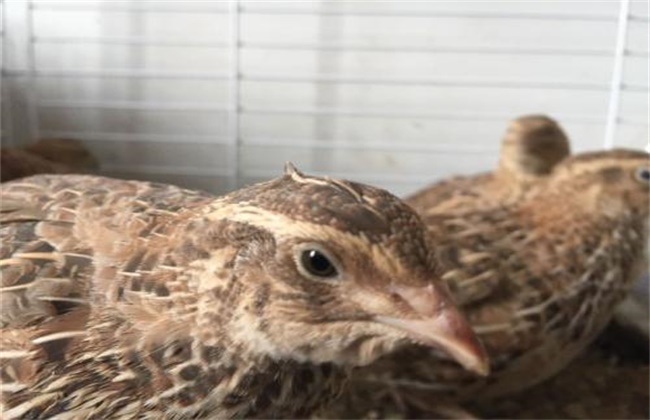
1. Causes
Quail feather-pecking disorder includes nose pecking, feather pecking, egg pecking, vent pecking, toe pecking, and more. There are many causes: when the diet is insufficient and the quails are in a state of hunger, they will peck at feathers and eggs; poor rearing conditions, unsuitable temperature and humidity, poor ventilation, too strong light, excessive stocking density, and unsanitary quail houses can also lead to feather-pecking disorder; improper diet formulation and a deficiency of certain acids can also cause it. In addition, a lack of certain minerals, trace elements, and vitamins B2 and B6 in the diet can all cause feather-pecking disorder.
2. Symptoms
Quail feather-pecking disorder includes many phenomena such as nose pecking, feather pecking, egg pecking, vent pecking, and toe pecking, so the symptoms also vary. With nose pecking, quails peck at each other's noses, causing the tip of the nose to break and bleed, and the nasal passage to become inflamed; in severe cases, secretions block the nasal cavity, leading to difficulty breathing and poor spirit and appetite. With feather pecking, quails sometimes peck at their own feathers and sometimes at the feathers of other quails; in severe cases, the feathers on the back and tail are pecked bare, exposing the skin. Egg pecking generally occurs after a female quail lays an egg, and the quail often eats the egg itself or it is eaten by other quails. Vent pecking is similar to nose pecking: quails peck at each other's vents, causing the vent to break and bleed; in severe cases, it causes inflammation of the cloaca and vent, or even ulceration. Toe pecking is similar to feather pecking: quails sometimes peck at their own toes and sometimes at the toes of other quails, causing the toes to break and bleed, and even become inflamed and ulcerated, presenting as lameness.
3. Prevention and treatment measures
The best way to prevent and treat quail feather-pecking disorder is beak tip trimming, which can effectively prevent and treat the disorder, generally carried out when quails are 1-9 days old. When feather-pecking disorder occurs, targeted prevention and treatment should be carried out according to the different symptoms. For nose pecking, feed should be strengthened, drinking water hygiene maintained, the diet kept sufficient, and protein feed increased; for feather pecking, the affected birds should be raised in isolation, the stocking density adjusted, or kerosene or diesel oil smeared on the quails' bodies to prevent feather pecking; for egg pecking, a complete-price feed should be guaranteed, with an appropriate amount of protein, bone meal, or shell meal added to the diet, or the bottom of the quail cage made sloped so that laid eggs roll out automatically; for vent pecking, the feed should be adjusted promptly, the stocking density appropriately reduced, quails with prolapsed vents removed and raised in isolation, and the pecked wounds coated with gentian violet or tetracycline ointment; for toe pecking, essential amino acids and vitamins should be added to the feed, and broken toes treated promptly to prevent infection.
The above is an introduction to the causes and prevention measures of quail feather-pecking disorder. We hope it can help you. To learn more related knowledge, please follow us.