Sarcoptic mange in pigs requires focused prevention and treatment in winter and spring; mild cases develop blisters, while severe cases cause cracked skin
Sarcoptic mange in pigs is a parasitic disease caused by mange mites. Pigs of all sizes can be infected, but piglets under 5 months of age are most susceptible. Sarcoptic mange in pigs occurs mostly in the wet and cold seasons of winter and spring.
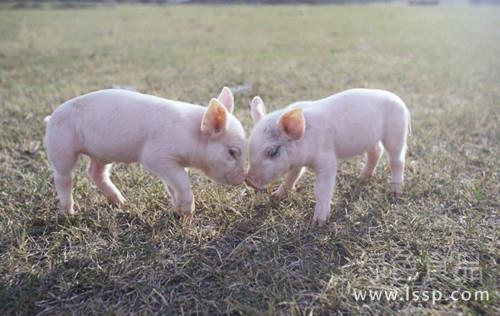
Pig
Symptoms: In the early stage of the disease, because the mange mites attach to the pig's skin, the affected area becomes red and intensely itchy. Pigs often rub their skin against rough places such as walls and posts, or scratch the itchy areas with their limbs. After a few days, needle-sized nodules appear on the affected skin, which then develop into blisters or pustules. After they rupture, the exudate accumulates and forms tough, hard scabs. The body hair falls out, and the pig's skin becomes rough and thickened or forms wrinkles. In severe cases, the skin cracks, appetite decreases, the pig becomes listless, gradually emaciated, growth stops, the back becomes arched, anemia occurs, and it may even lead to death.
Prevention and treatment:
1. The pigpen should be kept dry, with sufficient light and good air circulation. Brush the pigs' bodies often, do not let the herd become overcrowded, and disinfect the pens regularly. Newly purchased pigs must be carefully examined and confirmed disease-free before they are raised together with the herd.
2. When diseased pigs are found, they should be isolated and treated promptly. Trichlorfon powder can be dissolved in warm water to make a 1%-2% solution, then sprayed on the pig's body or used to wash and rub the affected areas. Using it once every 5-8 days gives a better effect. Trichlorfon aqueous solution should be prepared fresh just before use. It is prohibited for pregnant sows to prevent miscarriage.
3. Tobacco leaves (tobacco stems also work) 1 part, water 20 parts. Mix and boil in a pot for 1 hour, then remove the tobacco leaves and take the remaining aqueous solution to wash and rub the pig's body. During washing, be careful to prevent the solution from entering the pig's eyes and nose.