Prevention Is Key for Plant Anthracnose: Early Detection and Treatment Reduce Losses
Plant anthracnose is a common fungal disease in gardening and home plant care, mainly caused by infection from fungi of the genus Colletotrichum, and it can harm leaves, fruits, and young stems. Whether it is potted foliage plants, succulents, or fruit trees in an orchard, all can be affected by it, making it an issue to watch for in everyday care.
In the early stages of infection, small water-soaked spots mostly appear on the leaves, then gradually expand into round or irregular brown lesions, with the edges often darker in color. When the environment is humid, concentric rings may also be seen on the lesions, or small orange-red dots may appear, which are spore masses produced by the pathogen. When the disease is severe, the lesions merge into one large area, the leaves wither and yellow and fall off, and affected fruits tend to develop sunken brown patches and gradually rot.
Anthracnose fungi favor high temperature and high humidity, and poor ventilation, overly frequent watering, and leaves and branches remaining wet for long periods all increase the likelihood of disease. The pathogen can spread through rain, splashing during watering, and airflow, and can also overwinter with diseased leaves and fruits left on the pot surface or in the soil, infecting again when conditions are suitable, so cleaning up diseased plant debris is something you cannot be lazy about.
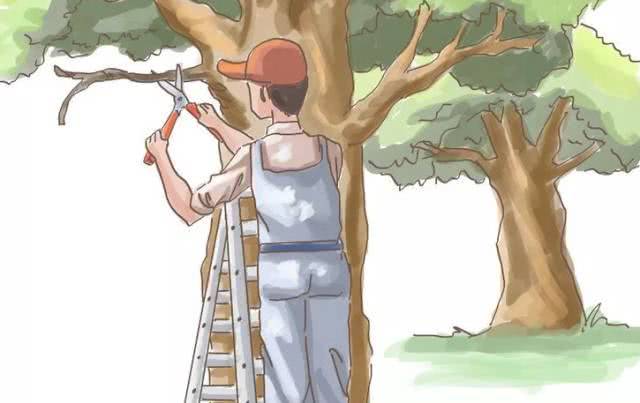
For control, prevention should be the main focus. Usually maintain ventilation and light penetration, try to avoid getting the leaves wet when watering, and pay attention to timely drainage during the rainy season. Once diseased leaves and fruits are found, they should be pruned off as early as possible and taken away for destruction, not casually thrown on the surface of the potting soil. When the disease is more severe, common fungicides such as carbendazim and thiophanate-methyl can be chosen, diluted and sprayed according to the instructions, with a follow-up spray after a period of time; at the same time, appropriately widening the spacing between plants to let air circulate will give better results.
Related Reading