-
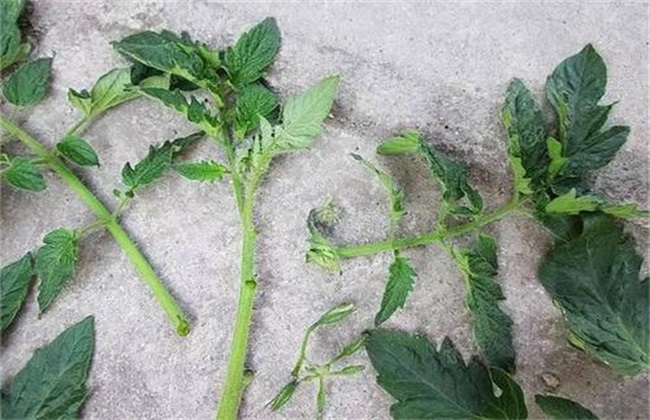
Detailed Explanation of Key Techniques for Late-Autumn Delayed Tomato Cultivation
Late-Autumn Delayed Tomato Cultivation Techniques
-
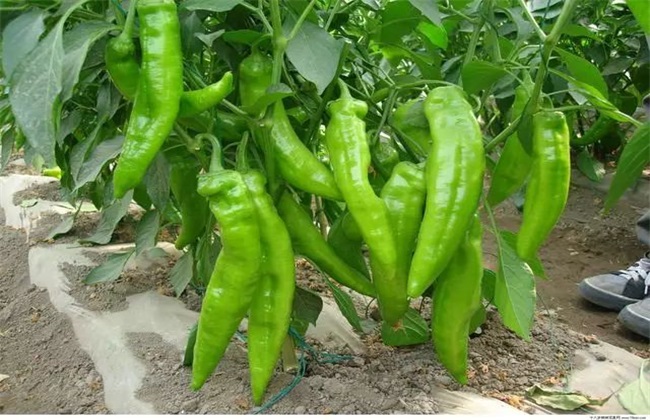
Detailed Explanation of Key Techniques for Delayed Autumn Cultivation of Peppers
Delayed Autumn Cultivation Techniques for Peppers
-

How can high yield be achieved in delayed autumn cultivation of potatoes?
Delayed autumn cultivation of potatoes means that potatoes planted in the open field are covered with a shed and plastic film before the arrival of early frost, so that they are protected from early frost damage, make full use of late autumn light conditions, extend the potato growth period, increase yield, improve market quality, and achieve high yield and high efficiency. 1. Site selection: Choose plots with loose, slightly acidic soil, rich in organic matter, deep plow layer, and easy drainage and irrigation. The previous crop is best to be millet, wheat, or corn; for vegetables, the previous crop is best to be scallions, garlic, celery, or carrots. Remember that continuous cropping must not be practiced, and the previous crop must not be a plot of Solanaceae crops, in order to reduce potato diseases and
-
Timely Control of the Rice Leaf Roller Is Essential and Cannot Be Delayed
The rice leaf roller is one of the major rice pests in our province. Its larvae damage the leaves, turning rice leaves into a mass of withered white. Especially when it attacks at the booting or heading stage, it will cause a sharp decline in rice yield. This pest has seven generations a year, and the second-generation larvae are the most numerous and cause the most serious damage to early rice. If control is not timely, it will break out in a major outbreak during the heading period, causing incalculable losses. For forecasting the rice leaf roller, the appropriate control timing should be determined based on the forecast of the occurrence period. Based on past conditions, investigation should begin 4 days after the peak of the moth flight
-
How to sow and raise seedlings for autumn delayed cultivation of celery?
(1) Seed treatment: The suitable seedling age for transplanting celery is 5 or 6 true leaves, the seedling raising period is 50-60d, and the sowing period is from June to August. At this time, the high temperature is not conducive to emergence, so low-temperature seed soaking and germination should be carried out before sowing. The method is: 6-7d before sowing, soak the seeds in cold water for 24h, rub and wash them several times and change the water during this period, and after taking them out, wrap them well in gauze or a gunny bag...
-
What methods are there to extend the market period of autumn delayed chili peppers
The area of autumn delayed chili peppers is large. How to make full use of existing natural and facility conditions according to market conditions to obtain higher economic benefits is a issue of great concern to farmers. In production, it is suggested that farmers can adopt the following measures to achieve the goal: 1. Set up a second film inside the greenhouse. In this way, under normal weather, it can be maintained until...
-
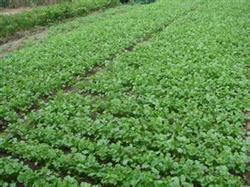
Delaying the harvest of cilantro requires careful attention: mastering these three points is key
Cilantro, also known as coriander, originated along the Mediterranean coast and is cultivated throughout both northern and southern China. Its leaves have a distinctive aroma and are the main edible part, while the seeds are an even better seasoning. Cilantro is a cool-season vegetable, and its traditional growing seasons have always been winter and spring. When grown out of season in summer and autumn, although yields are lower, market prices are high, making it a high...
-

How to effectively prevent and control delayed maturity caused by excessive vegetative growth in rice
How to prevent and control delayed maturity caused by excessive vegetative growth in rice
条件筛选