-

How should the settling-in water for orchids be watered correctly?
When is the right time to water the settling-in water? It depends on the situation. If you are only repotting without dividing the plant, without pruning the orchid roots, and without injuring the orchid roots, you can water immediately. The benefit is that it can reduce the damage to the orchid caused by repotting and shorten the time needed to establish. If you divide the plant or prune the orchid roots before potting, you should wait a few days before watering. How many days exactly depends on the moisture of the potting medium at the time of potting...
-
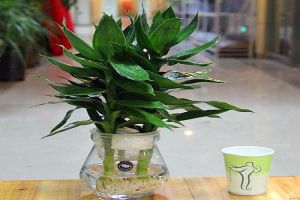
The correct way to switch lucky bamboo from water culture to soil culture
Many people like to grow this plant in water, because it is cleaner, easier to manage, and looks especially nice in a bottle. But grown this way, it grows rather slowly, and without warmth it struggles to make it through the cold winter. So quite a few plant lovers want to switch it from water culture to soil culture. So what should you do to achieve the highest success rate?
-
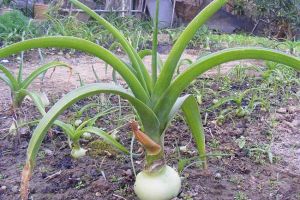
How to water Ornithogalum caudatum? The correct method is easy to understand at a glance
This is a variety in the lily family, and also a perennial herbaceous plant. Because its stem grows some small bulbs that look rather like tiger eyes, it got this name. It can be grown in pots for people to admire. During the process of growing it, water is one aspect we must pay attention to. So, how exactly should it be done?
-
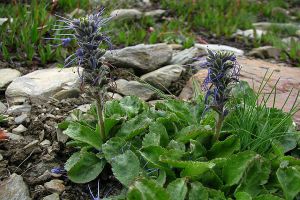
What is the difference between Picrorhiza kurroa and Coptis chinensis? Learn to tell them apart correctly
We all know that both of these plants can be used as medicinal herbs, though we are probably more familiar with the second one. Whether as plants or as medicinal herbs, they are somewhat similar. However, there must be differences between them. So where exactly do the differences lie?
-

What to do about root rot in the poison bulb (Crinum lily)? Here's how to treat it correctly
If the roots of the poison bulb (Crinum lily) have already rotted, it is difficult to cure, and it is mostly caused by watering too frequently or fertilizing too much. If only a small amount has rotted, you can tip it out, shake the soil loose, cut away the rotted parts and some of the leaves, then dry it in a dry, ventilated place, protecting it from rain and damp. After about 3 days, replant it in previously sterilized loam or sandy soil and it can be cared for normally. If conditions allow, you can sprinkle some fresh plant ash on the wounds to disinfect them. Although the poison bulb (Crinum lily) has a strong root system and the plant grows quickly, and during the growing season it needs plenty of water and fertilizer, remember never to water too frequently or fertilize too much, otherwise root rot is easily caused. I hope gardening friends will prevent overwatering...
-
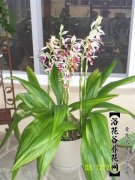
How to Grow Phaius Orchids? A Detailed Guide to the Correct Cultivation Methods
Phaius, also known as the nun's orchid, monkey orchid, or crane orchid, is a perennial herbaceous plant in the orchid family (Orchidaceae). It has large pseudobulbs, large leaves, and large flowers in a wide range of colors. Phaius is fairly widely distributed and its care is relatively undemanding; it can be grown outdoors and grows vigorously. For container growing, you can use a mix of leaf mold or mountain soil with a small amount of river sand and fertilizer...
-
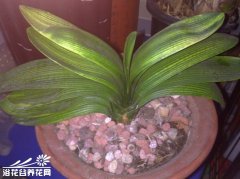
How to correct Clivia leaves that have grown crooked
Friends who enjoy growing Clivia (Clivia miniata) have probably noticed that the leaves of their plants sometimes grow crooked, which greatly reduces their ornamental value. So how do you correct crooked Clivia leaves? First, wrap the leaf that has leaned out to one side in tin foil and secure it with a paper clip...
-
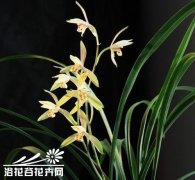
Diagnosis and Correction of Nutrient Deficiencies in Orchids
When an orchid lacks a certain nutrient, it will show signs on the plant. Based on these signs, the nutrient deficiency can be diagnosed and corresponding measures taken to correct it....
-
Detailed Explanation of the Correct Methods and Techniques for Fertilizing Orchids
Do not fertilize if the orchid plant is not robust. During the fertilizing period, if the orchid plant develops abnormally, cannot put out new shoots, and the orchid leaves are grayish-green, dull and lusterless, drooping with scorched tips, it indicates that the old roots are continuing to rot and new roots have not grown out. At this time, fertilization must absolutely not be applied...
-
How to care for newly collected wild orchids? Teaching you the correct care methods
After buying and bringing home a newly collected wild orchid, it is very necessary to remove some broken roots and hollow roots depending on how strong or weak the orchid is. Do not think that the more roots left, the easier it is to survive; often the broken roots left behind are the source of disease....
条件筛选