-
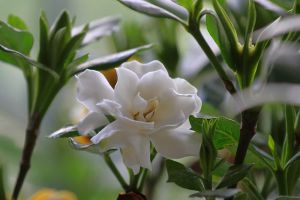
How to grow gardenia in the north? Teach you the correct care methods
Gardenia mainly grows in southern regions. If you want to grow it well in the north, you need to give it suitable conditions in terms of soil, temperature, light, fertilizing and watering. The soil should be acidic, contain plenty of humus, and have good drainage and aeration; it is best to place it in a spot with ample light and long daylight hours, and keep the temperature between 20 and 25°C. When the temperature is low, take measures to protect it from freezing, and when the temperature is too high, ventilate and cool it down promptly; it likes plenty of water but not much fertilizer, so watering once every three days and applying decomposed fertilizer once every ten days is enough to meet its water and nutrient needs.
-
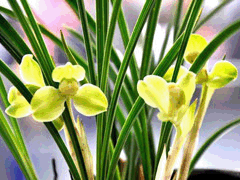
How to do water withholding to encourage root growth? Correct methods and key operational points
Water withholding to encourage root growth
-

How to correctly divide the ring of small offsets that a clivia has put out so it shoots stems and blooms more in two years
It generally takes three to four years for a clivia to grow from a small offset to a mature plant, and when the total number of leaves usually reaches around fifteen or sixteen, a flower stem will generally be sent up. Of course, the growing conditions must be such that every aspect of care is very well managed. If not...
-
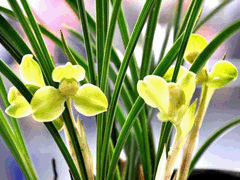
A Brief Discussion of Orchid Fertilization Methods: Master the Correct Fertilization Techniques
Repost: A Brief Discussion of Orchid Fertilization
-
-
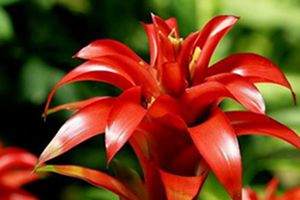
What to do when a Bromeliad (Guzmania) gets frozen? Teach you the correct remedy
If it gets frozen in winter, move it out to bask in the sun on sunny days; if there is no sun, use artificial light instead. After freezing, water it less, and even when you do water it, pay attention to the water temperature, and water from the top down. At night, put a plastic bag over it to keep it warm, so the situation does not get worse and worse.
-
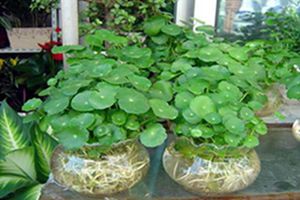
What to do if copper coin grass has root rot? I'll teach you the correct way to handle it
If the rot is not very severe, just put it in the sun or in a ventilated area to dry for a while, and it will recover. If the root rot is very severe, you need to wash and disinfect both the roots and the easy parts, then let the roots dry before replanting. If you are not very experienced, it is best to grow it in a half-soil, half-water setup.
-
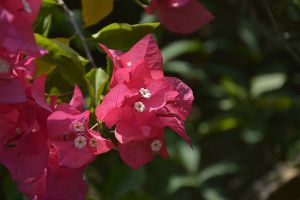
What to Do When Bougainvillea Gets Frozen? Teach You the Correct Remedies
This plant loves warmth. In winter, it is very prone to frost damage. Sometimes only the stems and leaves are frozen, and at that point it can still recover. We need to cut off the frozen parts, then place it in a warm spot that also gets sunlight. When necessary, spray carbendazim to prevent disease, because at this time its resistance is weak. However, if the frost damage is severe and even the roots have turned black, then it may not be savable. Once frost damage is discovered, deal with it as soon as possible.
-
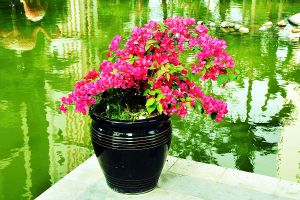
How to care for Bougainvillea during its flowering period? Learn the correct care methods
During the flowering stage, if you want it to bloom abundantly and beautifully, you need to take special care. First, light must be sufficient - don't worry about strong light. Second, before entering the flowering period, pruning is needed. This is extremely beneficial for its blooming. Third, you need to control water. About four to five weeks before the flowering period, you should start. Once the flower buds appear, resume normal watering. Next is fertilizing. During the flowering period, applying urea requires special caution, otherwise it may very likely reduce the number of flowers. You can use some mild fertilizers, such as (KH2SO4) solution.
-
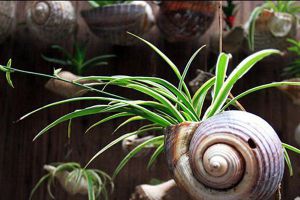
How to divide a spider plant (Chlorophytum comosum 'Variegatum')? Learn the correct division method
First, you need to take the original plant out of the pot. You also need to remove some of the soil and pull apart the smaller roots. Once you have grouped three or four plants together, they can go into a pot. Ordinary soil will do, and lining the bottom with some peanut or walnut shells is also a good option. When you repot it, give it a little water.
条件筛选