-

Honeysuckle is a natural treasure for cooling off in summer
In summer, regularly drinking honeysuckle tea can help prevent heatstroke, intestinal infections and other illnesses. For summer-heat restlessness and heart irritability, or sores and tumors in children, take 10 g of honeysuckle and steep it in water as a tea substitute. If 10 g of chrysanthemum is added and steeped together, the effect is even more pronounced. For sores and swellings, upper respiratory tract infections, urinary tract infections, biliary tract infections, breast inflammation and similar conditions, take 10-20 g of honeysuckle, decoct it in water and take it orally, twice a day; this can bring the condition under control and relieve symptoms. Take 20 g of honeysuckle, dry-roast it and grind it into powder, then mix it with sugar water or honey and take it; this can treat summer-heat diarrhea and dysentery, and is recorded in ancient medical texts
-
Spraying oyster mushrooms with cooled boiled water can significantly increase yield
Spraying cooled boiled water at different stages of oyster mushroom fruiting can increase the biological conversion rate by 33%, and oyster mushrooms sprayed with cooled boiled water flush faster, fruit evenly, and have thick, plump caps. After the oyster mushroom mycelium has fully colonized, remove the plastic film and spray the mushroom bed and the surrounding walls once with cooled boiled water so that the relative air humidity reaches 80-85%; when coral-like primordia appear in large numbers, as the fruiting bodies gradually grow, spray cooled boiled water 3-5 times a day to raise the air humidity to 95%. When spraying, use a fine mist; do not irrigate heavily, so that standing water does not cause mushroom death
-
Oyster mushroom management reminder: special attention must be paid to cooling at present
Oyster mushrooms are mainly produced in winter, and most have now entered the second and third flush stages. At this time, great attention must be paid to cooling. The reasons: first, the natural temperature in spring is suitable for oyster mushroom growth, so people tend to neglect controlling the temperature inside the shed and of the mushroom bags; second, mycelial vitality declines, and high temperatures accelerate mycelial aging; third, in spring oyster mushrooms fruit quickly and evenly, and the respiratory heat produced can cause the temperature of the mushroom bags to rise sharply in a short time; fourth, to prevent a major outbreak of yellow mushroom disease, which occurs easily above 20°C. According to our investigation, yellow mushroom disease has recently shown early signs, and yellow
-
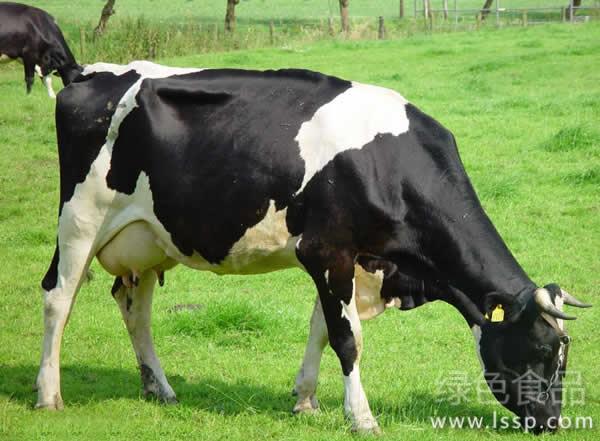
Dairy cows are prone to heat stress in high temperatures: five heat-relief and cooling measures to remember
Dairy cows easily suffer heat stress in high temperatures: five measures for heat relief and cooling in dairy cows
-
Cooling pigs in summer can effectively increase weight gain
Many farmers believe that "pigs do not grow in June," and that feeding them well or poorly makes no difference, so they relax feeding management in summer. In fact, as long as the following cooling measures are taken when raising pigs in summer, the pigs will not only gain meat but also grow just as fast. (1) Spray water on the pigs' bodies and the floor of the pig house to cool them down. When spraying water to bathe the pigs, do not spray their heads. (2) Supply cool clean water in a timely manner. After the pigs finish eating, give them enough clean cold water to drink. (3) Feed more green fodder. Feed an appropriate amount of high-energy feed. (4) Take mosquito prevention measures so the pigs can sleep quietly.
-
How to Prevent Heatstroke and Cool Down Pigs in Summer? A Detailed Guide to Practical Methods
Pigs are afraid of heat. In the hot summer, if heatstroke prevention and cooling methods are improper, pigs will suffer heatstroke and in severe cases die, causing unnecessary losses. The heatstroke prevention and cooling methods are as follows: 1. Suitable temperature: Because pigs vary in body weight, their growth and development requirements for suitable temperature differ. For a pig weighing about 20 kg, the suitable ambient temperature is 24°C; for 50 kg, 23°C; for 100 kg, 20°C. In general, the temperature suitable for pig growth is 15-28°C, and the optimal temperature is 22°C. If the temperature reaches 35°C and cooling work cannot keep up, pigs weighing 45 kg
-
What to do when large silkworms are forced to mature prematurely by high temperatures? Do a good job of heat prevention and cooling
(1) In hot weather, prevent mulberry leaves from wilting and overheating. When feeding the silkworms, wait until the mulberry leaves have cooled before feeding. When feeding at noon, provide appropriate supplementary water to help cool things down and delay mulberry leaf wilting. This can be combined with supplementary feeding of miecanying or xiaoteling for disinfection. The standard for supplementary feeding of miecanying is 1 milliliter of miecanying agent added to 0.5 kg of water, fed with 4-5 kg of mulberry leaves, mixed evenly and then fed to the silkworms, with supplementary feeding once every 48 hours. The standard for preparing the xiaoteling agent water solution for disease prevention is to add 25 kg of water to each packet of the main agent. First use a small amount of water to
-
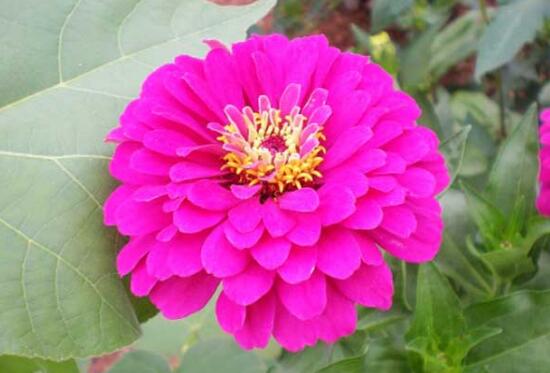
How do you care for zinnias through the four seasons? Sow in spring, cool down in summer, increase light in autumn, and they die back in winter
Zinnia (Zinnia elegans), a common ornamental plant, blooms one flower after another, symbolizing step-by-step advancement, and is deeply loved by flower enthusiasts, with many people growing it in pots at home. However, growing zinnias well is not such an easy task, because their care differs through all four seasons. So how do you care for zinnias through the four seasons?
-

How to grow nasturtium in summer? Shade and cooling are needed for it to grow thick and sturdy
In the cultivation methods for nasturtium, because it fears high temperatures, you must pay attention to changes in temperature and humidity in summer, otherwise yellowing leaves, plant wilting, or even death can easily occur. So how do you grow nasturtium in summer? How do you make nasturtium grow thick and sturdy? Let's look at summer care tips.
-
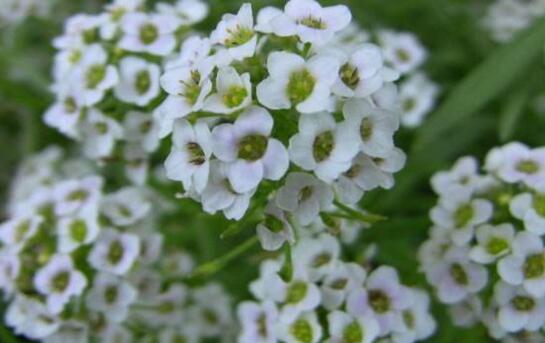
How to grow sweet alyssum? It loves cool weather and fears heat, and needs plenty of light
Among plants in the Brassicaceae family, sweet alyssum has many uses, and its ornamental value is one of the reasons many people choose to grow it. So when cultivating it, how should we choose the soil, control the temperature, water and fertilize? How to grow sweet alyssum? Let's take a look at the growing methods for sweet alyssum
条件筛选