-

Identification of Symptoms of Gray Mold in Phalaenopsis and Its Prevention and Control Methods
Symptoms and Prevention of Gray Mold in Phalaenopsis
-
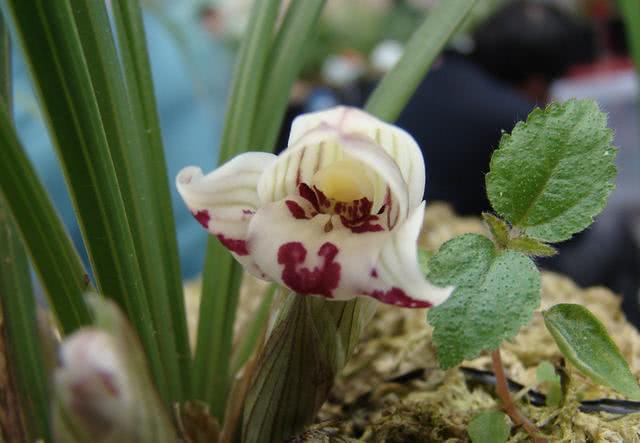
Orchid disease prevention focuses on three seasons: controlling water in the plum rain season, watering in autumn, and preventing scorching sun exposure in winter
Orchid diseases mostly begin when the substrate is wet and stuffy and unclean, or too dry. When the substrate is wet and stuffy and unclean, air is pushed out, pathogens multiply in large numbers, orchid roots are damaged, and various diseases arise from this, harming the orchid plant. When the substrate is too dry, the fleshy roots shrivel due to physiological water loss...
-

What to Do When Jasmine Gets Pests? Effective Control Methods to Teach You
What to Do When Jasmine Gets Pests
-

-

What are the methods for controlling pests and diseases of the night-blooming cereus?
Pest and disease control methods for the night-blooming cereus
-

What are the key technical points for pest and disease control in Hami melon?
Pest and Disease Control Techniques for Hami Melon
-
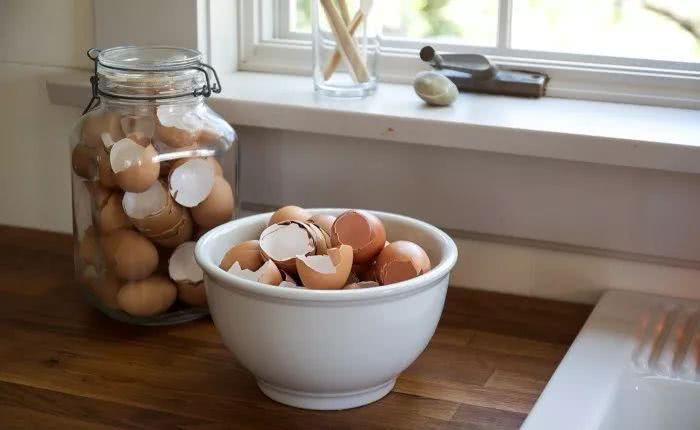
Eggshells to Control Flower Pests: Get Rid of Pests and Diseases Without Chemicals
Using eggshells to control pests is a very cheap method, and it is also very simple to use. You can use it when growing flowers in a yard or on a balcony. Before using eggshells, they must be cleaned thoroughly, and they should be scalded with boiling water or air...
-

A Detailed Guide to Common Pests and Diseases of Gardenia and Their Control Methods
Common Pests and Diseases of Gardenia and Their Control Methods
-
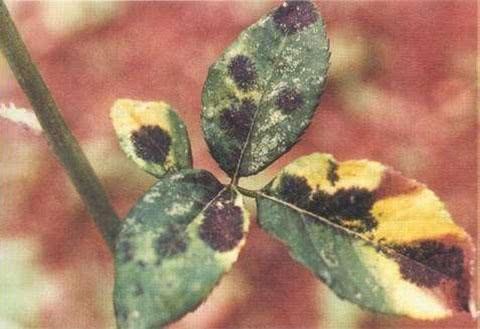
Prevent and control rose black spot this way, and the flowers will cover the branches, big and vivid
Rose black spot is a commonly occurring rose disease, so friends who love roses need to understand the prevention and treatment methods for black spot on roses. Below we will help you understand rose black spot! Symptoms of black spot: Roses develop...
-
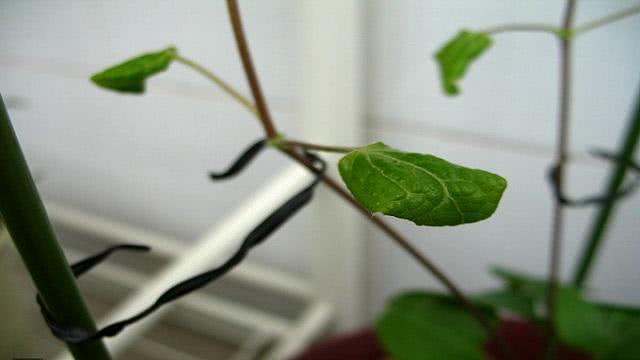
Clematis leaves curling and not blooming? It may be that the watering amount is not controlled well
Curling leaves on clematis may be caused by too much water, so you first need to pause watering and let the moisture in the soil dry out. It may also be that the light is too strong and has scorched the leaves, so you need to place it in a shaded area. It may also be that the amount of fertilizer is too much or it has not...
条件筛选