Orchid disease prevention focuses on three seasons: controlling water in the plum rain season, watering in autumn, and preventing scorching sun exposure in winter
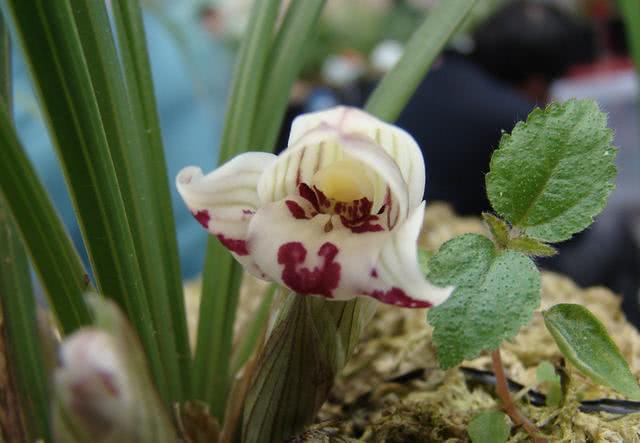
Orchid diseases mostly begin when the substrate is wet and stuffy and unclean, or too dry. When the substrate is wet and stuffy and unclean, air is pushed out, pathogens multiply in large numbers, orchid roots are damaged, and various diseases arise from this, harming the orchid plant. When the substrate is too dry, the fleshy roots shrivel due to physiological water loss and lose their conducting ability; water and nutrients cannot be supplied in time, and orchid leaves become rough with scorched tips. An orchid plant struggling on the edge of life and death will open its stomata wide to absorb moisture from the air in order to stay alive, and various pathogens take the opportunity to invade, with disease following. In addition, applying fertilizer or pesticide at too high a concentration, exceeding the concentration of the orchid plant's cell sap, causes reverse osmosis, making the orchid lose water, which likewise triggers disease. To prevent orchid diseases, in addition to measures such as keeping the environment clean and moist, ventilated, watering appropriately, fertilizing lightly, applying pesticide at the right time and in the right amount, keeping the substrate clean and air-permeable, and providing suitable light, it is even more important to grasp the main contradiction according to the actual conditions of each place and carry out targeted prevention and control.
Orchid disease prevention
The plum rain season has a warm, hot climate and high air humidity; it is the golden season for orchid growth during the year, and also the peak period for various diseases. Based on the author's observations over many years, various diseases are most likely to occur when the temperature is around 22°C. To avoid disease, two points must be noted in this season: first, control watering; second, apply pesticide in time. When autumn comes, the climate turns from hot to cool, and this is another growing season for orchids. In autumn the air is relatively dry, and orchids easily lose water, so attention must be paid to timely watering.
At the same time, after orchids pass through the hot summer, they consume a great deal and their resistance is relatively weakened, so in early autumn phosphorus and potassium fertilizer should be supplemented in time to enhance disease resistance. Autumn is also the peak period for various diseases, so pesticide must be applied in time. During the period from one week before the Start of Autumn to Cold Dew, pesticide should be used once every 10 days to ensure that orchids can grow healthily from autumn to the following spring.
Orchid watering
In winter, orchids need to be kept warm and brought indoors. Some people build sealed plastic sheds on an indoor balcony or under eaves that are sheltered from the wind and facing the sun, and place the potted orchids inside to receive sunlight. Sometimes the temperature inside the shed rises to more than 20 degrees, and the orchids suffer from stuffy heat, so disease spots occur from time to time. For sealed plastic sheds, including glass sheds, once the temperature inside exceeds 10°C, the windows must be opened promptly and the plastic film opened to let in ventilation and air. When encountering weather with high temperature and strong sunlight, appropriate shading is also needed; never expose them to scorching sun and stuffy heat.
Orchid disease prevention
Controlling watering and applying pesticide in time during the plum rain season; watering in time, supplementing phosphorus and potassium, and using pesticide at the right time in autumn; and not exposing orchids to scorching sun and stuffy heat in winter are the keys to disease prevention and treatment in different seasons. Fellow orchid growers, how do you prevent disease in the orchids you grow? If you also like growing orchids, you are welcome to follow and share, and thank you for your comments and likes, thank you!