-
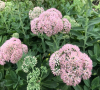
Pest and Disease Control, Cultivation Methods, and Precautions for Hylotelephium spectabile
Hylotelephium spectabile, also known as showy stonecrop, Huoxue Sanqi, and whiteflower scorpionweed, is a perennial succulent herbaceous plant in the genus Hylotelephium of the family Crassulaceae. Its plant height is usually 30-50 cm, its stem height is 60-70 cm, and its underground rhizome portion is thick and fleshy. The aboveground stems are clustered, thick and upright, and the leaves are whorled or opposite, with an obovate
-

What fungus is the symbiotic fungus of Phalaenopsis, and can white silk disease be controlled with carbendazim?
As is well known, the colorful flower colors of Phalaenopsis have won the hearts of many flower enthusiasts. However, their beauty cannot be achieved by themselves alone, because the seeds of its entire family have no endosperm, that is, orchid seeds have no startup capital, so they must have symbiotic fungi to provide them with nutrients, which can indirectly give them extra
-

How to identify and control anthracnose in Phalaenopsis orchids?
For a flower lover who deeply adores Phalaenopsis orchids, the most feared thing is the threat of pests and diseases during their growth. Today let's talk about the new Phalaenopsis orchid virus, "anthracnose." Anthracnose is characterized by being pitch-black, looking as if it has been scorched by fire - perhaps that is why its name contains the character for "charcoal." Another characteristic is
-
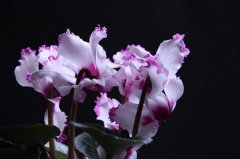
Control Methods for Phytophthora Blight, a Disease of Cyclamen Pests and Diseases
An introduction to the symptoms and control methods of Phytophthora blight, a disease of cyclamen pests and diseases. Symptoms: the heart bud and the base of the plant are affected. In the early stage of infection, the plant's leaves droop, the petiole and peduncle tissue near the tuber fade and become constricted, and the leaves and flowers wilt and fall over. The heart bud turns brown and withers. The underground tuber
-

Introduction to the Symptoms and Control Methods of Seedling Blight in Calla Lilies
What do the symptoms of seedling blight in calla lilies look like, what are the transmission routes, and how do we go about controlling this disease? Let's take a look together. Symptoms: It causes rot of the bulb sprouts, browning of seedling leaves, and shriveling and curling. When the sprouts are not damaged, they can still grow normally; if the affected leaves dry up and wrap around the terminal bud, it causes stunting or poor stem emergence. Besides damaging the leaves, this fungus can also harm the base of the stem, causing browning symptoms at the sprouting sites and forming wounds that facilitate further damage by bacterial soft rot.
条件筛选