Malaysian Tree-Ripened Durians Arrive in Dalian by Sea After 12 Days, Controlled-Atmosphere Preservation Replaces Air Freight
According to Malaysia's The Star, on September 19, a cargo ship carrying 2 tons of Malaysian durians arrived at Dalian Port in China after a 12-day sea voyage. This is another sea trial shipment of Malaysian tree-ripened durians, and the company's third attempt in nearly two years of shipping tests.
According to Datuk Anna Teo, founder and CEO of exporter Hernan Corp Sdn Bhd, this batch of durians used Daikin CA controlled-atmosphere container technology, which through refrigeration and regulation of gas composition puts the durians into a "dormant" state during transport, slowing respiration and the ripening process, so that they still maintain good commercial condition after nearly two weeks at sea. Over the past two years, Hernan and its technology partners have repeatedly tested various transport conditions and cold-chain solutions.
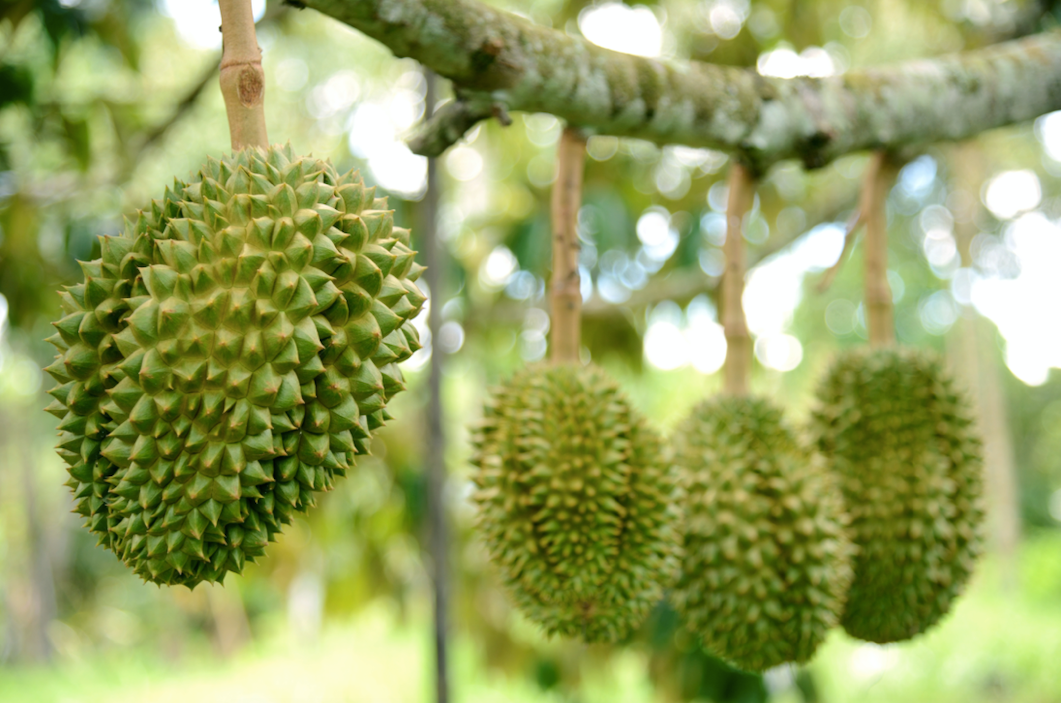
In 2024, the General Administration of Customs officially granted market access to Malaysian fresh durians. However, because tree-ripened durians have a high degree of ripeness and are extremely difficult to preserve, exports to China previously relied mainly on air freight, keeping logistics costs high. The success of this sea trial shipment proves that tree-ripened durians can absolutely reach the Chinese market by sea, and that large-volume sea freight can significantly dilute logistics costs compared with air freight.
Public information shows that Hernan was founded in 1996 and is one of Malaysia's largest durian exporters, with a product line covering frozen durians and various durian desserts, and export markets including China, the United States, Canada, Australia, New Zealand and the United Kingdom.
Teo said that many durian growers and investors still have concerns about the industry's prospects, and that transport is the key bottleneck - high export logistics costs constrain the scale of Malaysia's durian exports. If the sea-freight preservation route can operate on a regular basis, "preservation plus cost reduction" will open new growth space for Malaysian durian exports.