-
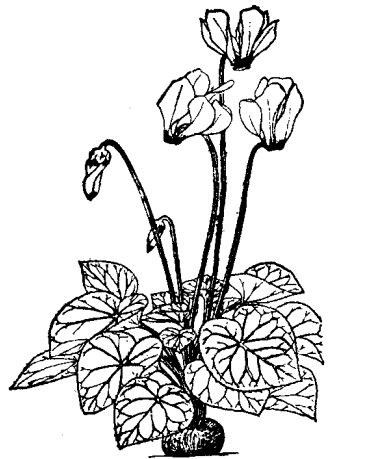
A Detailed Guide to Cyclamen Cultivation Techniques and Flowering Period Control Methods
[Cultivation] When the sown seedlings grow l true leaves, they should be transplanted. The small corms should be moved with soil into a sunken pot filled with growing medium. When transplanting, most of the corm should be buried in the soil, leaving only the top growing point exposed above the soil surface. After transplanting, water thoroughly; afterward, irrigation should not be excessive, and the pot soil should not be too wet.
-
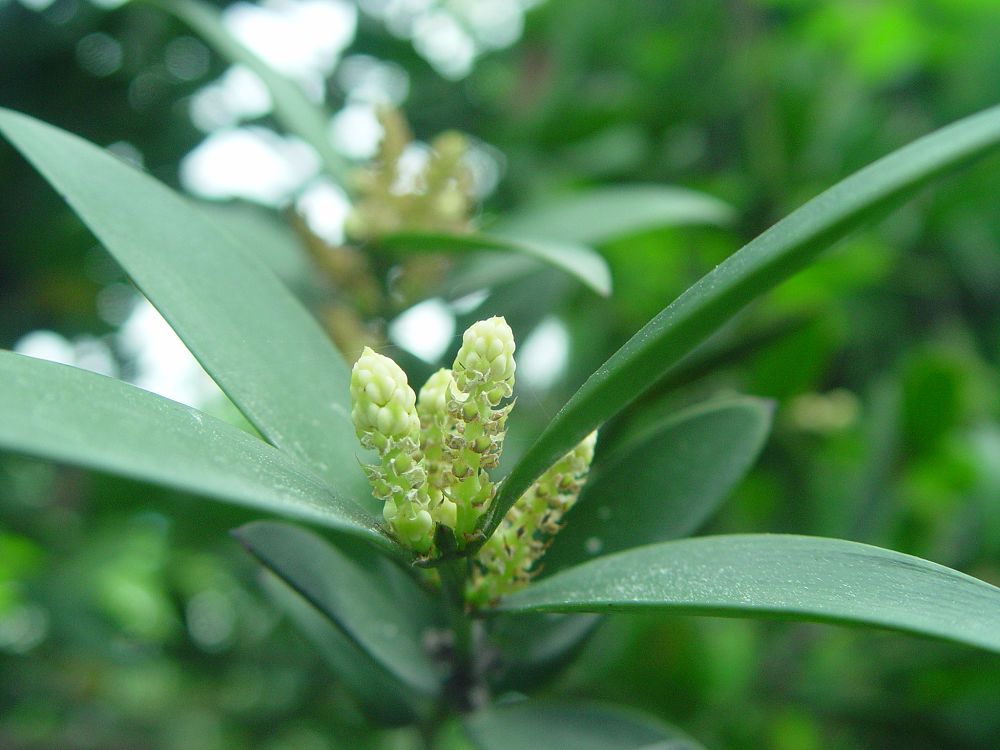
What are the pest and disease control methods for the Buddhist pine (Podocarpus macrophyllus)?
Pests: aphids, 50% pirimicarb 3000-5000 times dilution or 40% omethoate 1500-2000 times dilution; Buddhist pine scale insects, fenitrothion 2000 times dilution, 1605 at 1500 times dilution; leafminer
-

What are the control methods for common diseases of Scrophularia ningpoensis?
Control methods for common diseases of Scrophularia ningpoensis
-

Aconite Pest and Disease Control Methods and Key Technical Points
Aconite Pest and Disease Control Methods
-

How to prevent and control fish helminthiasis? Detailed explanation of prevention and control methods
Fish diseases caused by some species of flatworms, roundworms, and segmented worms are called fish helminthiasis, such as: dactylogyriasis, gyrodactyliasis, diplostomiasis, ligulosis, etc. Prevention and control methods: 1. Spread 0.65-0.7 microliters/liter of crystal trichlorfon over the whole pond. 2. Use quicklime to thoroughly clear the pond and kill snails. In fry and fingerling rearing ponds, copper sulfate can be spread to make the pond water 0.7 microliters/liter, and after an interval of 12-24 hours, spread it again at the same concentration.
-
How to control the copper-green chafer? Practical methods shared
(1) Manual control: During the peak emergence period of adults, in the evening, kill the adults by combining artificial tree shaking with light traps outside the orchard. (2) Chemical control: In the early emergence period of adults, spray 2.5% trichlorfon powder on the tree disks of orchards with high insect density, then shallow hoe and mix it in, which can kill the adults that have emerged from the soil; during the peak period, before dark, spray the trees with 80% dichlorvos emulsifiable concentrate at 1000-1500 times dilution, adding 20% fenvalerate emulsifiable concentrate at 2000 times dilution, and spray again after 7-10 days (avoiding the flowering period), which can control the damage. Other chafer species can be controlled by
-
A Detailed Explanation of the Occurrence Patterns and Control Methods of the Ginger Borer
The ginger borer (also known as the corn borer, belonging to the Lepidoptera order and the Pyralidae family) is a major pest harming ginger. It has a very diverse diet; when causing damage, its larvae bite and feed on tender stems, then bore into the stalk (with frass and insect droppings accumulating at the entry hole), obstructing the transport of water and nutrients, causing the stems and leaves above the bore hole to turn yellow and wilt, and to break very easily under external force. 1. Occurrence patterns. The ginger borer generally produces 3-4 generations per year in our area, and its concentrated damage period coincides exactly with the vigorous growth period of ginger plants. Larvae move between plants to cause damage
-
Symptoms and Control Methods of Brown Spot Disease in Japanese Euonymus (Euonymus japonicus)
Symptoms: Yellow or brown small spots appear on new leaves, gradually expanding into nearly circular irregular patches, with a diameter of up to 3-10 mm. Later the diseased spots turn grayish-brown or grayish-white, with a darker edge, and the spots bear concentric rings and many small black mold dots. Pathogen and disease pattern: Fungus. It is the imperfect fungus Cercospora destructiva Rav. The disease begins to occur in mid to late May, with the peak period in August, and basically stops after November. Cr
-
What are the control methods for the Euonymus looper (large-leaf Euonymus inchworm)?
Occurrence pattern: The large-leaf Euonymus looper damages plants by the larvae feeding on leaves. It has three generations in Hunan. The overwintering generation adults emerge and lay eggs in mid-April, damage begins in late April, they successively enter the soil to pupate in late May, emerge in mid-June, the second generation causes damage in late June, enters the soil to pupate in early August, emerges in mid-August, and the third generation causes damage in late August. The most severe damage is caused by the first and second generations. Damage is most severe in seasons with mild climate and abundant rainfall. During the peak damage period, 2 to 3 days can strip all the leaves from the whole plant, leaving the plant bare. In
-
Occurrence Patterns and Control Methods of the Euonymus Leafroller Moth
The Euonymus leafroller moth belongs to the order Lepidoptera, family Zygaenidae. Its larvae damage the tender leaves and shoots of host plants, feeding on the foliage; in severe cases they strip the branches bare, or even cause entire stands to wither and die. In the Jining region, the Euonymus leafroller moth has one generation per year and overwinters as eggs on the host's branches and shoot tips. The overwintering eggs mostly hatch in mid-to-late March; in sheltered, sunny spots they can hatch 5-7 days earlier, and the hatching peak generally occurs around March 20. A single egg mass can finish hatching in 2-3 days, which coincides with the emergence of new leaves on the Euonymus. From late April to early May, the mature lar
条件筛选