-

Detailed Explanation of the Damage Symptoms and Control Methods of Cotton Aphids
The cotton aphid is one of the major insect pests of cotton. Five aphid species have been identified: the cotton aphid, the cotton long-tube aphid, the alfalfa aphid, the turnjujube aphid, and the bean root aphid. Among them, the cotton aphid is the main one damaging cotton and is one of the important pests of cotton in our country, causing the most severe damage in the cotton regions of the Yellow River basin and the Liao River basin, followed by the cotton region of the Yangtze River basin.
-
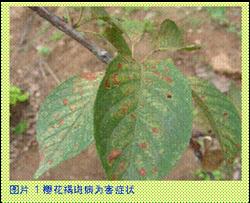
What are the control methods for cherry blossom brown spot disease?
How do you control cherry blossom brown spot disease? Please give a detailed introduction. Cherry blossom brown spot disease, also known as cherry blossom brown spot shot hole disease, is an important disease of cherry blossom leaves. It was reported long ago in Japan and other countries. It occurs commonly on cherry blossoms in all regions of China, including Nanjing, Taiyuan, Tianjin, Shanghai, Chengdu, Xi'an, Suzhou, Jinan, Changsha, Lianyungang...
-
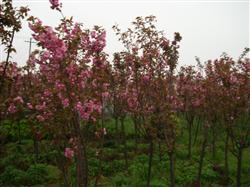
How to prevent and control cherry blossom pests and diseases? Introduction to practical methods
How to prevent and control cherry blossom pests and diseases? Please provide guidance on methods. The following prevention and control methods for cherry blossom pests and diseases are for reference: 1. Cherry blossom pests and diseases include mulberry white scale (Pseudaulacaspis pentagona), various kinds of stinging caterpillars, and apple prominent moth (Phalera flavescens), etc. Mulberry white scale is mainly distributed in cherry blossom cultivation areas, occurs commonly, and is quite severe in individual fields. The damage has already caused the leaves to basically fall off, and the pest population...
-
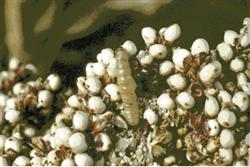
What are the control methods for the sorghum head borer?
How do you control the sorghum head borer? Please provide methods. The sorghum head borer mainly damages sorghum spikelets and grains. Loose-panicle varieties suffer less damage, while tight-panicle varieties suffer more serious damage. Adults lay eggs on the panicle, and after hatching the larvae feed on the grains during the filling stage, causing heavy grain losses. Damage is severe in high-temperature and high-humidity weather...
-
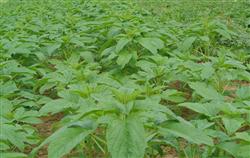
What are the weed control methods for sesame during the seedling stage in summer?
How do you control weeds during the sesame seedling stage in summer? Here is an introduction. For weed control during the sesame seedling stage in summer, you can refer to the following methods: 1. Soil closure treatment after sowing and before emergence. After sowing sesame, apply 100 ml of 50% acetochlor emulsifiable concentrate or 200 ml of Dual (72% metolachlor emulsifiable concentrate) per mu, add 50 kg of water, and spray evenly. This can control foxtail grass, crabgrass, shortawn foxtail, goosegrass and many other annual grass weeds, and also has a certain effect on many broadleaf weeds propagated by small seeds. Keep the soil moist after application, and do not cultivate or loosen the soil within 50 days to avoid damaging the herbicide layer.
-
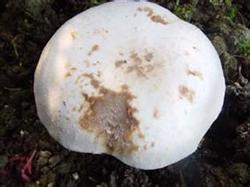
What are the control methods for yellow blotch disease in button mushrooms?
How do you control yellow blotch disease in button mushrooms? Please explain the methods. In the early stage of infection by yellow blotch disease in button mushrooms, small spot-like pale yellow diseased areas appear on the cap. As the fruiting body grows, the areas expand and infect other fruiting bodies, after which the color darkens and the areas spread to the entire cap. In the late stage of infection, the mushroom body secretes yellow-brown water droplets...
-
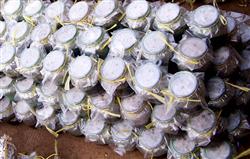
How to prevent spawn degeneration in button mushrooms? Practical prevention and control methods shared
How to prevent spawn degeneration in button mushrooms? Please provide methods to prevent spawn degeneration in button mushrooms. It can increase yield, reduce the occurrence and development of pests and diseases, and reduce pesticide use. It is the foundation of organic button mushroom production. The following methods can be used for prevention: 1. The ambient temperature for culturing spawn must not exceed 2...
-
Identification of Damage Symptoms and Control Methods of Tobacco Mosaic Disease
Tobacco mosaic disease occurs commonly in tobacco-growing regions throughout the world, and is found in both northern and southern tobacco regions of China, with the southern tobacco regions suffering more severe damage. It can develop from the seedling stage through to the harvest stage. The incidence rate of affected plants in the field is generally 5-20%, and in individual plots it can reach as high as 90-100%. Losses from early infection can reach 50-70%, or even result in total crop failure.
-
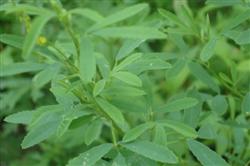
What are the control methods for powdery mildew on Astragalus membranaceus? Explained clearly in one article
What are the control methods for powdery mildew on Astragalus membranaceus? Please introduce. The control methods for powdery mildew on Astragalus membranaceus can refer to the following: 1. Strengthen field management. Reasonable close planting, pay attention to ventilation and light transmission between plants, can reduce the incidence of disease; fertilization is mainly organic fertilizer. Pay attention to the proper ratio of nitrogen, phosphorus and potassium fertilizers, do not apply too much nitrogen fertilizer, so as to avoid excessive vegetative growth of plants...
-
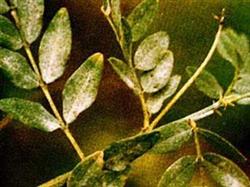
How to prevent and control powdery mildew in Astragalus membranaceus? A complete guide to control methods
How to prevent and control powdery mildew in Astragalus membranaceus? Please note that Astragalus membranaceus is a wild or cultivated species, and throughout its entire growth period it suffers quite severe damage from powdery mildew, which directly affects yield and quality. 1. Symptoms: Powdery mildew in Astragalus membranaceus not only damages leaves but also damages flower stamens, pods, stems and other parts. In the early stage of powdery mildew in Astragalus membranaceus, the leaves...
条件筛选