-

Restoring hundreds of millions of mu of contaminated farmland: how can third-party governance drive it forward?
We must change the current situation of relying mainly on government fiscal input alone; we must rely on the power of society, introduce third-party governance, and carry out comprehensive environmental services. Liu Zhengjun Environmental governance has become one of the hot topics at this year's Two Sessions. In the 2015 government work report,
-
Manure and livestock waste as fertilizer pose high risks: antibiotic contamination reaches deep into the soil
Antibiotics, as veterinary drugs and feed additives, are widely used in the livestock and poultry farming industries of countries around the world. According to statistics, China's annual use of veterinary antibiotics had already exceeded 6000 tons by 2000. However, about 60% to 90% of the antibiotics administered to farmed animals are excreted in their original form
-
Rice imports multiply as Chinese consumers worry about food contamination
After infant formula and New Zealand milk, Japanese rice has begun to become one of the items that Chinese consumers buy in large quantities from abroad at high prices, and reports say this is mainly driven by Chinese consumers' worries about contamination in domestic rice. China's rice imports have multiplied
-
Organic Bacillus thuringiensis subsp. kurstaki found with diphenylamine pesticide contamination, traced to lubricating oil accidentally mixed into the manufacturing process
Investigation into the detection of diphenylamine pesticide contamination in the organic Bacillus thuringiensis subsp. kurstaki product Sulibao finds that lubricating oil accidentally entered the manufacturing process. What is going on here? How could lubricating oil appear in manufacturing? Let's take a look together. The Fushou Bacillus thuringiensis subsp. kurstaki product "Sulibao" was detected with the chemical agent "diphenylamine"
-
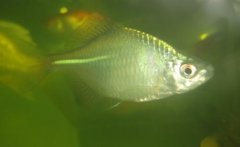
Is aromatic hydrocarbon toxic? Effects on fish and whether contaminated fish can be eaten
The explosion at the No. 3 aromatic hydrocarbon plant of the Sixth Naphtha Cracker Complex in Mailiao Township has caused anxiety among residents near aquaculture fish ponds, who worry that their catch may be contaminated. On the 15th, scholars from the College of Public Health at National Taiwan University, who have long studied pollution issues related to the Sixth Naphtha Cracker Complex, together with the Institute of Toxicology, and the Changhua and Taixi experimental stations of the Fisheries Research Institute, went to 18 fish ponds in Changhua and Yunlin to take samples, hoping to understand the scope and extent of the explosion's impact.
-
Key points of integrated control methods for common mold contamination in Pholiota nameko
Pholiota nameko is a mushroom with very high nutritional value, also called pearl mushroom, nameko mushroom, etc. This mushroom has a relatively crisp and crunchy texture when eaten, with a very tender and smooth mouthfeel, and is especially fresh. If you try to pick it up with chopsticks while eating, you generally cannot grasp it because it is too slippery
-
How much is tea tree mushroom per jin and measures to prevent culture bag contamination during cultivation
Tea tree mushroom (Agrocybe aegerita) is a kind of fungus with a very chewy texture and extremely delicious flavor, especially suitable for dry pot dishes or stir-fried with meat. Among mushrooms, tea tree mushroom is one of the varieties that is not cheap, and it is also very rich in nutritional value, deeply welcomed by consumers. So roughly how much does tea tree mushroom cost
-
Analysis of Why Fertilizer Burn Causes Severe Soil Contamination
Fertilizer burn refers to the visible damage done to plants and soil when too much fertilizer is applied, or when fertilizer is applied in an overly concentrated way. Abusing fertilizer can cause severe contamination of the land. Here "fertilizer" means not only chemical fertilizers but also organic fertilizers! Although soil degradation
-
A Detailed Guide to the Latest Control Methods for Yeast Contamination in Ganoderma lucidum
Yeast in Ganoderma lucidum cultivation is a type of ascomycete that lacks filamentous mycelial structure and is widely distributed in nature. During the production and cultivation of edible mushroom spawn such as Ganoderma lucidum and Tremella fuciformis (silver ear), it can contaminate culture media and substrates, mainly contaminating the substrate, causing the substrate to deteriorate and inhibiting mycelial growth.
-
Understanding that aquatic products may be contaminated with, rather than infected by, the novel coronavirus, and the characteristics of food contamination
Previously, the detection of the novel coronavirus on a salmon cutting board at the Beijing Xinfadi wholesale market drew widespread attention, and according to experts, how is it that aquatic products may be contaminated with the novel coronavirus rather than infected? What are the characteristics of virus-contaminated food? Below
条件筛选