Organic Bacillus thuringiensis subsp. kurstaki found with diphenylamine pesticide contamination, traced to lubricating oil accidentally mixed into the manufacturing process
Investigation into the detection of diphenylamine pesticide contamination in the organic Bacillus thuringiensis subsp. kurstaki product Sulibao finds that lubricating oil accidentally entered the manufacturing process. What is going on here? How could lubricating oil appear in manufacturing? Let's take a look together.
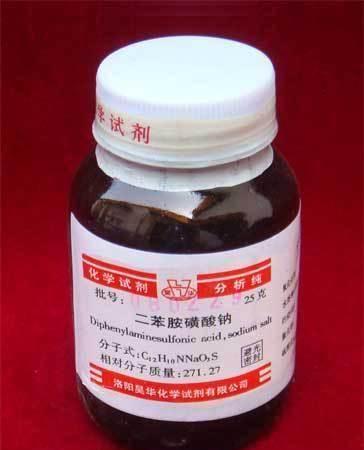
The Fushou Bacillus thuringiensis subsp. kurstaki product "Sulibao" was detected with the chemical agent "diphenylamine" at 0.19ppm, failing to meet organic material regulations. The Agricultural Chemicals and Toxic Substances Research Institute announced the latest investigation results on the 13th, tracing the source of diphenylamine to process contamination, believing that lubricating oil containing diphenylamine in the aeration equipment was not filtered cleanly and thus accidentally entered the manufacturing process.
Bacillus thuringiensis subsp. kurstaki materials are used for insect repellence and pest prevention. There is no reason for the manufacturer to add diphenylamine, and no domestic manufacturer is registered to use diphenylamine. Biological pesticides require specialized equipment in production, and if chemical agents are mixed in, it is mostly a problem of pipeline contamination. Thirty percent of diphenylamine is used for preservation purposes, and the remaining seventy percent is used in lubricants, so the Agricultural Chemicals and Toxic Substances Research Institute further sampled the lubricating oil in Fushou's equipment and pipelines, and finally detected alkylated diphenylamine in the lubricating oil.
Fushou Industrial Vice President Cai Jiaguang stated that diphenylamine was absolutely not deliberately added, and that they would further confirm whether it is a process contamination issue, but out of caution, for the affected product they had already contacted domestic distributors last week to fully recall "Sulibao" manufactured after August 6, 2018 (year 107 of the Republic of China calendar) (batch number 2018.08.06), and semi-finished products still in the warehouse would no longer be sold. He also emphasized that "Sulibao" must be diluted 1000 times with water before use, and remains safe for field application.
Cai Jiaguang stated bluntly that agricultural materials are mainly used in the crop cultivation process and are not for direct human consumption, and he believes it is inappropriate for the competent authority to test agricultural materials using the 374 residual pesticide standards for food testing, and that currently among commercially available Bacillus thuringiensis subsp. kurstaki products, only "Sulibao" is registered as an organic material, so it is inevitably subject to heightened scrutiny.