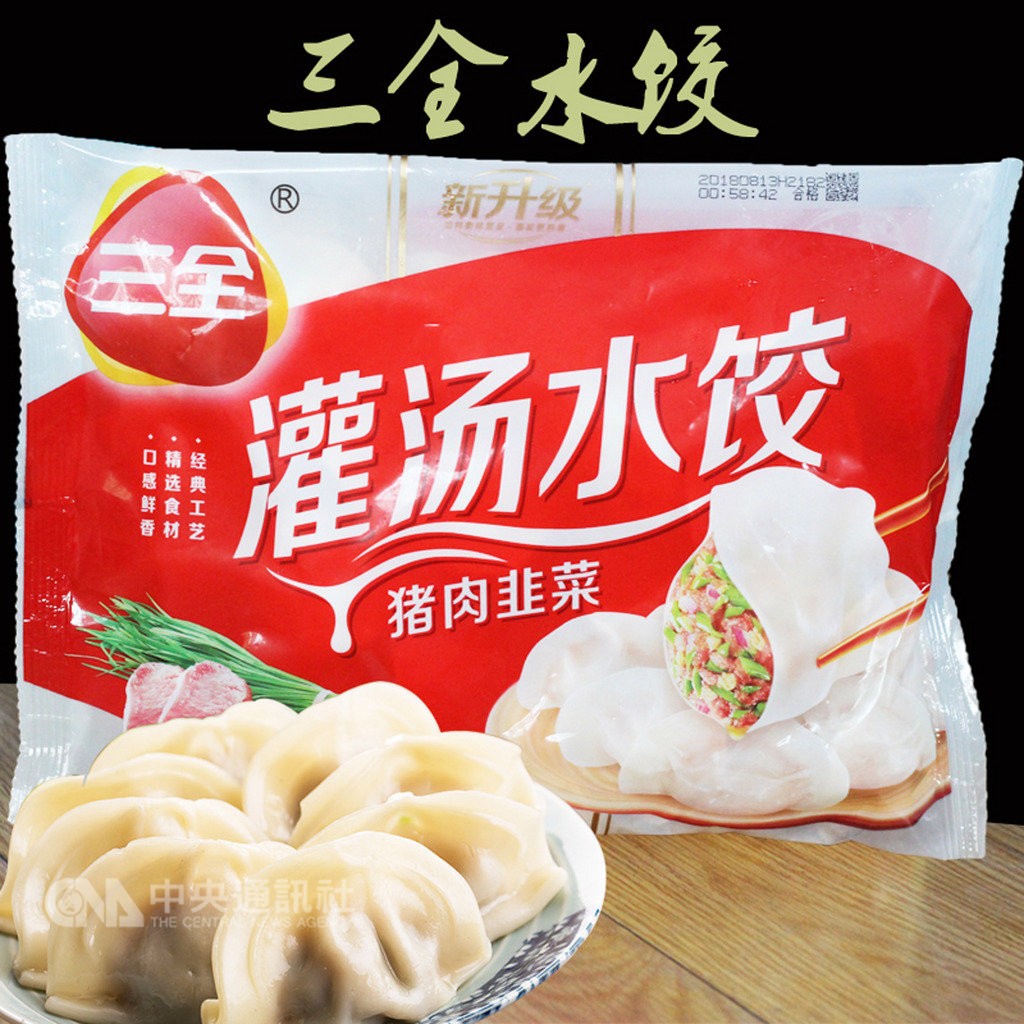
African Swine Fever Virus Found in Sanquan Dumplings: Are Soup-Filled Dumplings with Virus-Contaminated Meat Filling Safe?
You must have heard the news about swine fever in Sanquan dumplings. So do you know how Sanquan plans to handle this issue? The official response to the detection of swine fever virus in the dumplings is: all products have now been sealed and stored. The most important thing is to explain what their emergency measures are.
Below are the emergency measures officially released by Sanquan Food.
Emergency Measures
After learning of the information, the company immediately communicated with regulatory authorities, began taking action, assumed corresponding responsibilities, and actively cooperated with relevant departments in both locations to carry out further verification and corresponding handling work. The company expresses its sincere apologies for the trouble and inconvenience this matter has caused to consumers.
1. The company immediately sealed and stored all suspected batches of products from all sales channels.
2. The Henan Provincial Government has dispatched a joint investigation team led by the Provincial Animal Husbandry Bureau to Hunan and Gansu to cooperate with local relevant departments in verifying the situation. The company is also actively cooperating with the work of relevant government departments.
3. The company has a complete food safety production and traceability system. In addition to continuing to require pork suppliers to strengthen testing and inspection, it is also further implementing better measures and methods for detecting and controlling African swine fever, and actively cooperating with government departments to do a good job in the prevention and control of African swine fever.
4. The company's emergency team, headed by the general manager, will closely monitor developments at all times, continue to strictly follow the Ministry of Agriculture and Rural Affairs' requirements for African swine fever prevention and control, ensure that raw material pork has complete certificates and invoices, and strengthen the management of the raw material pork traceability system.
Sanquan Food's official website has currently removed all soup-filled series dumplings from shelves, but online shopping platforms such as Taobao, JD.com, and Alibaba are still selling them.
According to The Beijing News, netizens also posted official documents revealing that Gansu Province also detected African swine fever virus in 83 pork frozen products from 40 batches across 11 manufacturers including Sanquan; among them, products from Henan Kedi Frozen Food Co. tested positive more than 67 times, the most. The report pointed out that on February 14, Sanquan Food responded to investors' questions on the Shenzhen Stock Exchange interactive trading platform regarding the news that its soup-filled dumplings tested positive for African swine fever virus nucleic acid, saying that the company had taken note of the incident and that as of now the company had not received notice from authoritative departments and would further investigate the matter.
Yesterday afternoon at the close of the Shenzhen Stock Exchange, Sanquan Food's stock price was reported at RMB 7.55 yuan, with the stock price plunging 3.58%.
The report quoted Sanquan Food's after-sales customer service as saying that neither the company nor customer service had received formal notice from authoritative departments, and that all products had qualified testing reports. A staff member from Sanquan's procurement department said that the company tests each batch of pork for African swine fever virus nucleic acid.
The report quoted an industry insider in frozen foods as saying that pork from epidemic areas currently cannot be transported out, and downstream enterprises will not purchase pork from epidemic areas. Due to the outbreak of African swine fever, large frozen food enterprises are currently more cautious about incoming pork raw materials, having increased spot checks for African swine fever virus nucleic acid, with a level of tension much greater than that of upstream breeding enterprises. At present, the source of the problem is still largely upstream.
Although incidents of African swine fever virus being detected in mainland food products keep emerging, relevant Chinese authorities continually inform the public that African swine fever does not infect humans and will not affect food safety.
Sanquan Food (7.34 -2.78%, stock diagnosis) issued a morning announcement responding to the incident of soup-filled dumplings suspected of containing African swine fever virus: “The company immediately sealed and stored all suspected batches of products from all sales channels, immediately communicated with regulatory authorities, began taking action, assumed corresponding responsibilities, and actively cooperated with relevant departments in both locations to carry out further verification and corresponding handling work.”