-

What diseases can the fungicide propiconazole control?
If you want crops to grow well, you cannot do without pesticides. In today's crop cultivation, the use of pesticides is a very frequent matter, and different pesticides are used to treat different diseases according to the symptoms. Here we will briefly introduce a pesticide, propiconazole
-
What chemicals can difenoconazole be mixed with?
Difenoconazole is a low-toxicity fungicide that can be used to control powdery mildew, early blight, anthracnose and other diseases occurring in cereal crops, rice, soybeans and other crops. If mixed with suitable chemicals, it can fully exert its efficacy, so what can difenoconazole be mixed with? 1.
-
What diseases can tebuconazole-azoxystrobin treat? Introduction to its main control targets
Tebuconazole-azoxystrobin is a systemic fungicide with a broad fungicidal spectrum and a relatively long lasting effect, used at the recommended dosage. So what diseases can tebuconazole-azoxystrobin treat? What diseases can tebuconazole-azoxystrobin treat? Tebuconazole-azoxystrobin can effectively prevent leaf and panicle diseases of rice; rice blast,
-
Can difenoconazole be used during the flowering period
It is best not to use difenoconazole during the flowering period, otherwise it will affect fruit set. Plants are best not sprayed with any pesticide during full bloom, so as not to affect normal pollination and fruit set. The most suitable spraying period for difenoconazole is the early stage of disease onset; try not to wait until late
-
What diseases can carbendazim-propiconazole control?
Carbendazim-propiconazole can control diseases such as banana leaf spot, wheat scab, and rice blast. Carbendazim-propiconazole is a fungicide with protective, systemic, and curative effects; it can be absorbed by roots, stems, and leaves and translocated within the plant. Precautions for using carbendazim-propiconazole
-

Can Athlete's Foot Cream (Miconazole) Be Used to Treat Southern Blight? Detailed Usage Instructions
Using Miconazole Cream to Treat Southern Blight
-
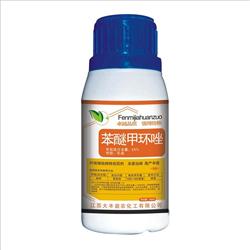
What is the function of difenoconazole? A detailed explanation
What are the characteristics of difenoconazole? What diseases can difenoconazole control? On which crops can difenoconazole be used? Zhongdiwang gives a brief introduction below for netizens' reference. 1. Characteristics of difenoconazole. The sprayed difenoconazole fungicide can be rapidly absorbed systemically into the interior of the leaves, and has a very high...
-
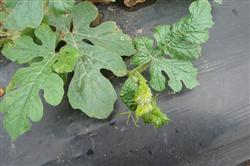
How do you remedy phytotoxicity after propiconazole application?
What are the symptoms of propiconazole phytotoxicity? What are the characteristics of propiconazole phytotoxicity? What causes phytotoxicity when propiconazole is applied? Below, Zhongdiwang gives a brief introduction for netizens' reference. 1. Symptoms of propiconazole phytotoxicity. The common symptoms of phytotoxicity from foliar spraying of propiconazole are hardening, brittleness and easy breakage of young tissues...
-
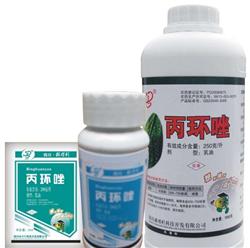
What pesticide is propiconazole? A detailed introduction to its functions and uses
What are the characteristics of the propiconazole fungicide? Which diseases can the propiconazole fungicide control? How long does the propiconazole fungicide remain effective? The following is a brief introduction from Zhongdiwang for netizens' reference. Propiconazole belongs to the triazole fungicides among sterol inhibitors, and its mechanism of action is to affect sterol biosynthesis, destroy the...
-
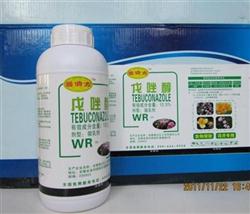
What are the effects of tebuconazole as a fungicide?
What are the effects of tebuconazole? What should be noted when using tebuconazole? We also ask knowledgeable readers to help explain. Zhongdiwang has compiled information on the fungicide tebuconazole, listed in detail below for readers' reference. Effects of tebuconazole: Tebuconazole is a systemic triazole pesticide fungicide with three major functions: protection, treatment and eradication. It has a broad fungicidal spectrum and a long duration of efficacy. It can be rapidly absorbed through plant leaves and roots and translocated and evenly distributed within the plant. It exerts its fungicidal activity mainly by inhibiting the demethylation of sterols in pathogenic fungi, thereby blocking the formation of biological membranes.
条件筛选