How do you remedy phytotoxicity after propiconazole application?
What are the symptoms of propiconazole phytotoxicity? What are the characteristics of propiconazole phytotoxicity? What causes phytotoxicity when propiconazole is applied? Below, Zhongdiwang gives a brief introduction for netizens' reference. 1. Symptoms of propiconazole phytotoxicity. The common symptoms of phytotoxicity from foliar spraying of propiconazole are hardening, brittleness and easy breakage of young tissues...
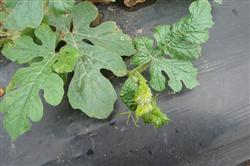 What are the symptoms of propiconazole phytotoxicity? What are the characteristics of propiconazole phytotoxicity? What causes phytotoxicity when propiconazole is applied? Below, Zhongdiwang gives a brief introduction for netizens' reference.
1. Symptoms of propiconazole phytotoxicity
The common symptoms of phytotoxicity from foliar spraying of propiconazole are hardening, brittleness and easy breakage of young tissues. Leaves become thicker and leaf color becomes darker. Plant growth is sluggish (generally it will not cause growth to stop), with dwarfing, tissue necrosis, chlorosis, perforation, etc. Seed treatment will cause delayed seed germination.
2. Characteristics of propiconazole phytotoxicity
Different crops differ greatly in tolerance. In recent years, we have observed phytotoxicity from propiconazole used at the seedling stage or young fruit stage of various crops, and found that different crops differ greatly in their ability to tolerate propiconazole phytotoxicity. For example, Tilt (active ingredient content 25% propiconazole EC) has a tolerable concentration of 800-1000 times dilution for wheat and rice, 1000-1500 times dilution for banana, 3000 times dilution for tomato and pepper, 4000-5000 times dilution for grape, 5000 times dilution for strawberry, and 6000-8000 times dilution for watermelon.
The degree of phytotoxicity varies with different growth stages of the crop. Propiconazole is generally very likely to cause phytotoxicity at the seed germination stage, the young shoot emergence stage, the seedling and vine elongation stage, the flowering stage and the young fruit stage of crops, and is less likely to occur at other stages. The losses caused by phytotoxicity also differ among different stages. The impact at the seedling stage is relatively small, while the impact at the flowering stage and young fruit stage is the greatest, with most cases causing reduced yield and declining quality.
3. Causes of propiconazole phytotoxicity
1. The physical and biochemical action of propiconazole. Propiconazole has a certain plant growth-regulating activity. By inhibiting the synthesis of gibberellins in plants, it reduces the content of gibberellins and indoleacetic acid, eliminates apical dominance in plants, makes stems thicker, makes plants dwarfed and compact, and increases the content of chlorophyll, protein and nucleic acid. At the same time, because propiconazole is transported only upward in plants and is stable within plants, the high accumulation of propiconazole will inhibit the respiration of these plant tissues, leading to abnormal crop growth.
2. Unreasonable use of pesticides. Users do not understand the use concentrations of propiconazole on various crops, arbitrarily apply the label directions to other crops, habitually increase the use concentration, and fail to master the appropriate timing of use. These are all reasons why propiconazole phytotoxicity accidents occur frequently.
3. Research institutions and agricultural technology extension departments have not done enough research on the application technology of propiconazole. Enterprises, in turn, are eager to pursue profits and push it broadly onto the market without thorough and extensive testing and demonstration.
4. Control measures for propiconazole phytotoxicity
In the early growth stage of crops, if the phytotoxicity of propiconazole has not caused large-area necrosis and has only caused sluggish growth, detoxification can be carried out by foliar spraying of auxins that promote cell division, and foliar fertilizer can be appropriately sprayed, so the impact on yield will not be great; step up publicity and promotion efforts to raise users' awareness; production and sales enterprises should carry out extensive testing and demonstration in the areas where they plan to promote the product, and guide farmers to master safe and effective methods of use. Agricultural technology departments at all levels should, through training, guide farmers to correctly master pesticide application techniques and improve the level of pesticide use. This is an important measure to fundamentally prevent the occurrence of phytotoxicity accidents; propiconazole is prone to causing phytotoxicity on young and tender crop tissues, but it is relatively safe in the middle and late stages of crop growth this period is also when difficult-to-control diseases such as anthracnose are likely to occur. Making use of the strong translocation effect and good fungicidal effect of propiconazole is a powerful measure for reducing disasters and increasing income.
The above is Zhongdiwang's introduction to propiconazole phytotoxicity. If you have better additions, please leave a comment below to tell us.