-

Professionalizing farmers does not mean certifying farmers; don't make a simple thing complicated
Recently, Shaanxi Province issued new-type senior professional farmer certification qualification certificates to the second batch of 182 people, which is the highest "professional title" for the occupation of "farmer" in Shaanxi Province. Since the cultivation and certification of "new-type professional farmers" began last year, over the past two consecutive years, among the more than ten million farmers in the province
-
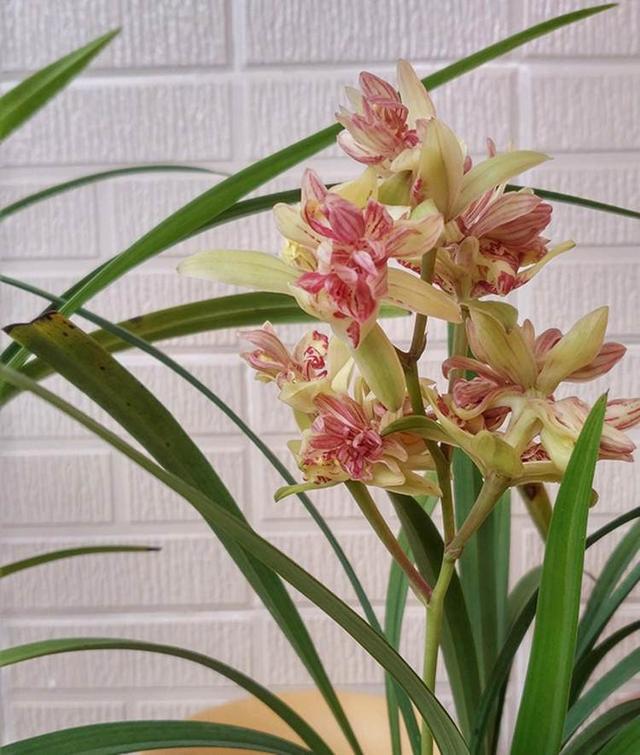
Orchid care is not complicated and easy to understand once explained, with only one exception
As the saying goes, understanding orchids takes a moment, but mastering watering takes three years of practice. This means that growing orchids is not complicated and easy to understand once explained, with only one "exception," which is watering according to the orchid's needs, and this is not an easy task. Fellow gardeners need...
-
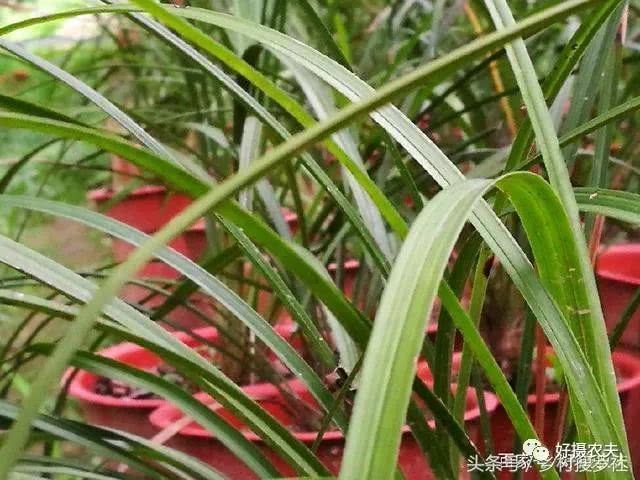
What soil is best for growing orchids? The secret of potting mix is actually not complicated
Regarding potting mix for orchid growing, or what is called orchid growing medium, Haoshe Farmer has written articles and made videos about it. Today, at the platform's invitation, I will write in more detail about what kind of soil is actually most suitable for orchids. As everyone knows...
-
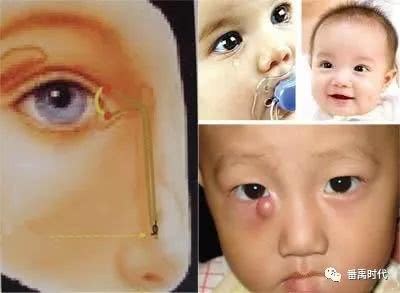
What are the symptoms of rhinitis complicated by dacryocystitis
Rhinitis causes sinusitis, otitis media, dacryocystitis (dacryocystitis), pharyngitis, and can even cause encephalitis, meningitis, etc. In particular, repeated episodes of rhinitis and colds increase the probability of complications. Rhinitis complicated by dacryocystitis is only one of its...
-
What disease is pig spotted fever? A detailed explanation of complicated swine diseases
[Cause] It is mainly caused by heat retention within the pig's body, with the heat pathogen not dispersing, resulting in spots on the skin surface, which Western medicine calls septicemia. [Symptoms] Body temperature 41.9°C, dry and cyanotic snout, red tongue, little fluid in the mouth, surging and rapid pulse, obvious red spots on the ears, underbelly, and ends of the limbs, listlessness, slightly shallow and rapid breathing, a feeling of heat on the body surface, refusal to eat. Constipation, scant and yellow urine. [Diagnosis] It can be confirmed based on the clinical symptom of skin spots. [Treatment] Formula 1: raw gypsum and Isatis root 15 grams each, Daqingye, Rehmannia, Scutellaria, and Licorice
-
Diagnosis and Treatment of Canine Pyometra Complicated with Abdominal Wall Hernia
Canine pyometra refers to the accumulation of a large amount of pus in the uterine cavity of dogs, accompanied by abnormal endometrial hyperplasia and bacterial infection. According to whether the cervix is open or not, it can be divided into open type and closed type. This disease mostly occurs in adult female dogs that have not been mated, pregnant, or ligated (ovariectomized), and is more common in middle-aged and older female dogs over 6 years of age. Affected dogs develop the disease within 3 to 8 weeks after estrus, and may have a history of long-term estrus disorders or endometritis. The causes of pyometra come from endocrine disorders, estrus, mating, and unclean
-
Porcine yin deficiency with liver hyperactivity is one of the difficult and complicated diseases of pigs.
[Etiology] This disease mostly occurs in spring and summer. In spring and summer, yang qi is released, and the main qi of livestock tends to the body surface. When feeding and management are improper, the climate is abnormal, or the pig's own regulatory and adaptive functions are disordered, some diseases closely related to the season appear, and pigs are prone to yin deficiency with liver hyperactivity. When the liver is hyperactive, it affects the heart (the mother organ affecting the child organ). The liver opens into the eyes, and the heart opens into the tongue, so diseased pigs show red eyes, red tongue, dry mouth, and fever. Because of persistent high fever, body fluids are consumed and damaged, so symptoms such as weakness and a preference for lying down appear. Liver hyperactivity overacts on the spleen, and the spleen fails in its transportation and transformation, so appetite decreases. The liver governs free coursing
-
Detailed Explanation of Traditional Chinese Medicine Therapies for Ten Major Difficult and Complicated Diseases of Chickens
In production practice, such situations are often encountered: when treating certain infectious diseases, all the "good drugs" have been used up, yet the effect is still not obvious. However, treatment with low-cost traditional Chinese medicine has instead achieved unexpectedly good results. These facts show that traditional Chinese medicine has its unique efficacy in treating difficult and complicated diseases of chickens. The following is introduced for reference. 1 Chicken pullorum disease: Pulsatilla root (Baitouweng), purslane (Machixian), Malianwei, and chebule fruit (Hezi) 15% each; Phellodendron bark (Huangbai), realgar (Xionghuang), talc (Huashi), and ageratum (Huoxiang) 10% each. Usage: mix into feed at a ratio of 3%
-
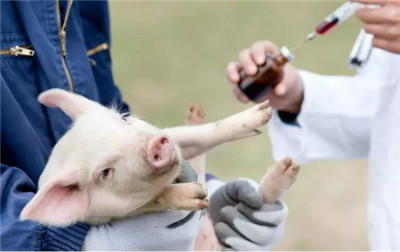
Diagnosis and Treatment Plan for Moldy Feed Poisoning Complicated with Eperythrozoonosis in Pigs
Diagnosis and Treatment Plan for Moldy Feed Poisoning Complicated with Eperythrozoonosis in Pigs
-
条件筛选