-
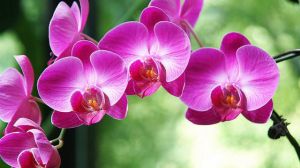
How to Grow Phalaenopsis Orchids? A Complete Guide to Home Care Methods
To grow Phalaenopsis orchids (moth orchids) at home, you need slightly acidic soil with good air permeability and relatively high nutrient content, maintain a temperature of 16-30°C, and provide it with sufficient but not excessive water and diffused light. If you want to propagate it, the flower stalk bud forcing method is recommended.
-
A Complete Guide to Fertilizing Flowers: Methods and Precautions
Physiological diseases of orchids, also called non-infectious diseases, are disorders caused by unsuitable cultivation environments and care practices rather than pathogenic organisms. Examples include temperatures that are too high or too low, light that is too strong or too weak, imbalanced water and fertilizer, nutrient deficiencies, improper use of chemicals, harmful gases in the air, and toxic substances in the soil. Common orchid...
-
How to fertilize cabbage? A complete guide to scientific fertilization methods
How to fertilize cabbage? Is there any sharing of cabbage fertilization techniques? Producing 1000 kg of cabbage requires 2.0 kg of pure nitrogen, 0.72 kg of phosphorus pentoxide, and 2.2 kg of potassium oxide; for a yield of 3000-5000 kg of cabbage per mu, 6-10 kg of pure nitrogen, 2.2-3.6 kg of phosphorus pentoxide, and 6.6-11 kg of potassium oxide are required. Before planting...
-
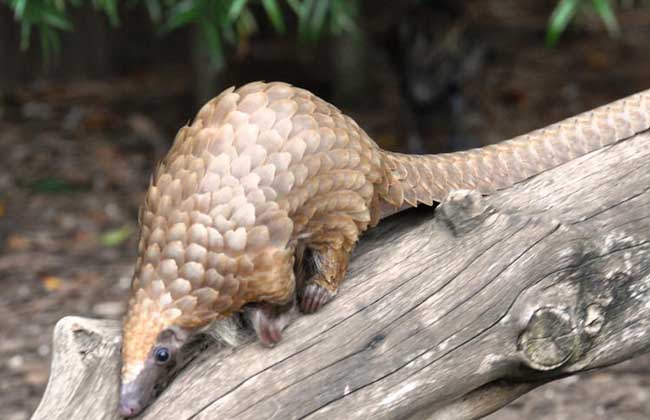
What types of pangolins are there? See them all at once in this complete picture guide
Complete picture guide to pangolin species
-
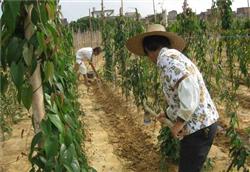
How to Fertilize Chinese Yam? A Complete Guide to Methods and Key Points
How do you fertilize Chinese yam? Please explain the fertilization methods. The following two approaches can be used to fertilize when growing Chinese yam: The first type, in places such as Hebei and Henan, some farmers have grown Chinese yam continuously for many years and can achieve yields of more than 4000 kg per mu. Their approach is based mainly on organic fertilizer, with an appropriate amount of chemical fertilizer as a supplement...
-
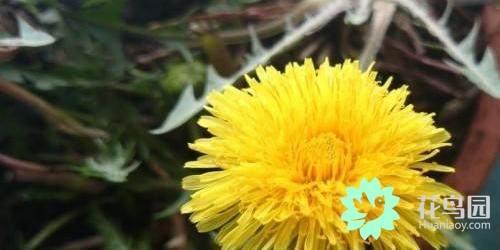
How to Grow Dandelions in Pots? A Complete Guide to Home Cultivation Methods
Dandelions growing in the wild are extremely hardy. You can not only propagate seedlings by sowing seeds, but also buy seedlings from the market to grow in pots. Moreover, the care and management of potted dandelions can be fairly rough and simple, without the need for pampering...
-
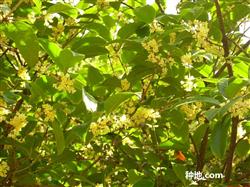
How to grow an osmanthus tree so it blooms? A complete guide to flower-promoting methods
How do you get an osmanthus tree to bloom? What methods are effective when osmanthus does not bloom. The reasons are excess nitrogen fertilizer, insufficient phosphorus and potassium fertilizer and a lack of trace elements; second, insufficient light; third, improper pruning and shaping. The above are also common problems of potted osmanthus in the north. At present it is exactly the stage of flower bud formation, so phosphorus and potassium should be applied immediately...
-
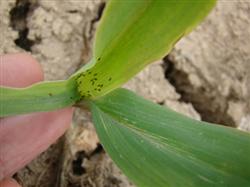
Complete Guide to Summer Corn Pest and Disease Control
How do you control summer corn pests and diseases? Here is an introduction. During the summer sowing period and seedling stage, many types of pests, diseases and weeds occur, and the damage is severe. If control is poor, it very easily causes missing plants and broken rows, leading to reduced yield. Therefore, throughout the entire growth period of corn, carrying out comprehensive control of pests, diseases and weeds at the sowing and seedling stages is crucial. First...
-
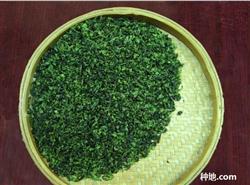
What Types of Tea Are There? A Complete Guide to Common Tea Classification
What types of tea are there? Please advise. There are many varieties of tea, with China having the most. At present, there is no unified method for classifying tea; different standards yield different classification methods. Among them, one method based on processing method and quality, using the degree of tea polyphenol oxidation as the order, divides primarily processed tea into green tea, yellow tea, dark tea, oolong tea, ...
-

How to Grow Japanese Honeysuckle? A Complete Guide to Methods and Key Technical Points
Japanese honeysuckle (Lonicera japonica) is a perennial tree-form plant grown for its medicinal flower buds; it is cold-tolerant and drought-tolerant, and can grow on barren hills, waste slopes, hilly ridges and sandy beaches. After receiving the honeysuckle seedlings, immediately untie the package, dip the roots in muddy water to improve the survival rate, and plant them promptly. Planting method: row spacing 1.3-1.5 m, plant spacing 0.9-1 m, with the seedling roots planted about 10 cm deep...
条件筛选