-
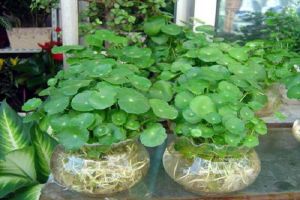
Is Lysimachia nummularia toxic? A detailed look at the toxicity of Lysimachia nummularia
This plant is not toxic; it is another green plant that is toxic, and only shares the same alternative name as it. It can be placed in the bedroom and can purify the air, but it is best not to leave it there for long periods. It can be enjoyed for its ornamental value, used for decoration, purify water and air, and can also be used as medicine.
-
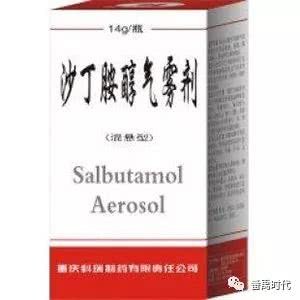
What are the emergency self-rescue methods for bronchial asthma in spring
The occurrence of bronchial asthma is due to numerous triggering factors, such as the various house dust mites in the home, which live parasitically in people's skin flakes, hair and other objects. In addition, after spring the climate becomes suitable, and various pathogenic pathogens multiply and breed on a large scale, thus...
-
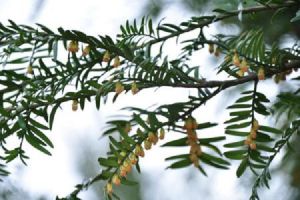
What is the difference between Taxus media and Taxus wallichiana var. mairei
Because Taxus media is a hybrid bred from European yew and Taxus wallichiana var. mairei, the two are very similar. We can mainly distinguish them by growth rate: the former grows only about 10 cm a year, while the latter can grow 30 to 50 cm, so generally speaking the former is slightly shorter than the latter. In addition, the paclitaxel content of the former is four to ten times that of the latter.
-
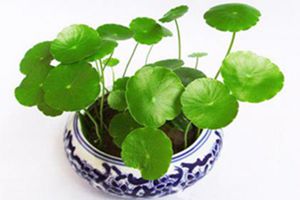
What is the difference between pennywort (Hydrocotyle) and Lysimachia? A quick guide to tell them apart
In terms of family and genus, the former belongs to the Apiaceae family, while the latter belongs to the Primulaceae family. In terms of growing environment, the former prefers moist, water-rich conditions, while the latter prefers regions with moderate temperatures and high humidity. In terms of appearance, the former looks like a broken umbrella, while the latter looks like ancient Chinese copper coins. In terms of growth habits, the former can grow both in water and on land, while the latter prefers water-rich areas. In terms of medicinal effects, the former is more effective against conditions like eczema, while the latter can treat malaria and other ailments, and can also be applied externally.
-
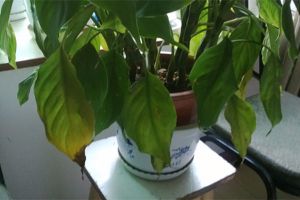
Is Dieffenbachia (Chinese evergreen) poisonous? Its toxicity explained in one go
It is actually poisonous, but its toxicity is not obvious, and it is only present in its sap. Normally when its liquid touches our hands, it causes an allergic reaction, and if we do not control our scratching, the itching will greatly intensify. Eating too much of it will cause poisoning, manifesting as vomiting and dizziness, as well as loss of appetite and fatigue.
-
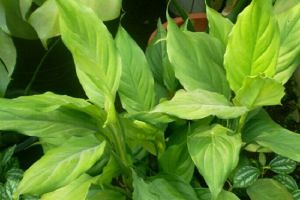
Can Dieffenbachia (Dumb Cane) be kept in the bedroom?
We should not put it in the place where we sleep. The biggest reason is that this plant wants to absorb oxygen. Moreover, it contains some toxic enzymes. If you touch the sap in its stems and leaves, you will develop throat edema, and in more serious cases it can even cause problems with the vocal cords.
-
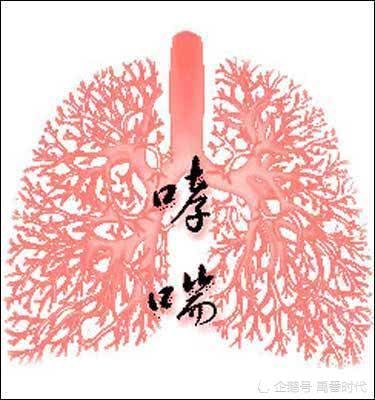
Which drugs are likely to trigger bronchial asthma? Be aware and take precautions
Pollen, dust, dust mites, and fine particles such as the particulate matter released by hair and cotton fluffing are causes of bronchial asthma that are basically known to everyone, but the factors that trigger bronchial asthma through drugs or food are not...
-
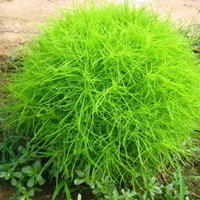
What are the growing environment requirements for Kochia scoparia?
In front of the gates of farmhouse courtyards, there are often one or two lush green kochia plants, especially verdant, adding a touch of green to the surrounding scenery.
-
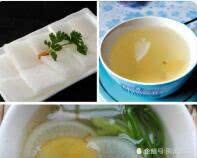
Dietary Folk Remedies as Supportive Therapy for Bronchial Asthma
Bronchial asthma encompasses various types of asthma. Aside from individual allergies to certain foods, most bronchial asthma patients do well eating foods that clear heat and moisten the lungs, vegetables and fruits rich in vitamin A and C, and foods rich in protein...
-
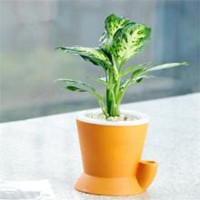
What kind of growing environment is suitable for Dieffenbachia?
Dieffenbachia is an evergreen shrub-like herbaceous plant with thick, fleshy stems. It has great ornamental value, and next, the editor will give a brief introduction to it!
条件筛选