-

How to chemically control weeds when growing peanuts
Peanut is one of the main cash crops in Yanshan, and in the cultivation process the most labor-intensive and time-consuming task is weeding. The weeds that cause relatively serious damage on peanut land include grasses such as crabgrass, foxtail, Chinese sprangletop, nutsedge, goosegrass and barnyardgrass; broadleaf weeds include thistle
-
What is a chemically-induced variegated succulent, and how can you tell it apart?
The leaves of the succulent have been bleached to a beige color, with black spots, and the most likely explanation is that you bought a chemically-induced variegated plant. Because chemically-induced variegated succulents are all artificially dyed fake variegation, using chemical agents such as peracetic acid and herbicides to corrode the surface of the succulent, affecting its chlorophyll
-
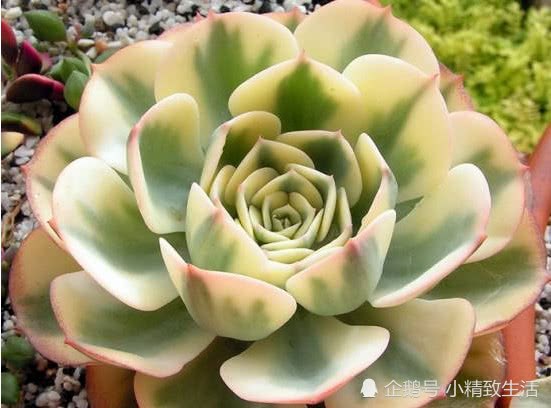
What is variegation in succulents? A detailed explanation of the difference between true variegation and chemically induced variegation
Xiao Jingzhi Life mentioned succulent "variegation" in a previous article, and then many friends sent private messages asking how to avoid buying "chemically induced variegation". So, next Xiao Jingzhi Life will discuss with everyone what succulent...
-
Succulents with chemically induced variegation are doomed to die once you bring them home, so don't take them even if they're free.
Succulents are very common now, and many flower shops carry them. To attract attention, a batch of "colorful" succulents has appeared, with several colors actually on a single leaf. You've surely seen these colorful succulents, and you may even have bought some! Whether this kind of succulent is good and how to care for it, let's hear Huahua explain it in detail~
-
How to chemically control weeds before and after sowing and during the growing period of Bupleurum?
Chemical weed control before and after sowing and during the growing period of Bupleurum
-
How to chemically control weeds after emergence in direct-seeded rapeseed
Post-emergence chemical weed control methods for direct-seeded rapeseed
-
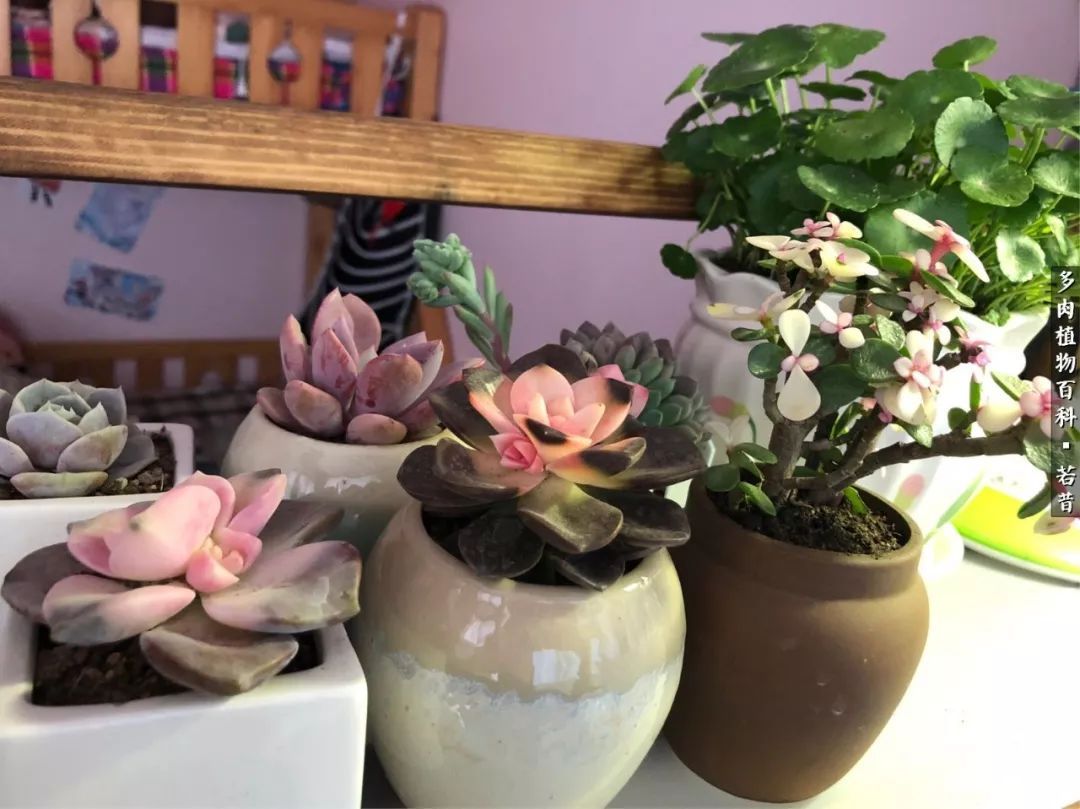
A beginner falls into the pit and runs into chemically-induced variegated succulents, what to do
Preface: Follow the Encyclopedia, meet the beautiful (WeChat ID: duoroubaike). The main text begins: Thanks to the author [Ruo Xi] for the original submission and sharing. Edited and compiled by: Encyclopedia Jun. Location: Zhengzhou, Henan. In April, a new vegetable supermarket opened at the entrance, and passing by the flower stall, my daughter was immediately drawn to the plump and chubby green plants, colorful and crystal clear. The boss only knew that they were all called succulents. Just like that, the nameless succulents were brought home.
-
How to chemically control garlic diseases
I. Growing period (1) To control garlic rust, in years with abundant rainfall, check the disease foci promptly in early spring and carry out timely prevention. Generally use 15 percent Fenxiuning wettable powder at 1000 times dilution, or 15 percent Fenxiuning wettable powder at 1500 times dilution plus 70 percent mancozeb wettable powder at 1000 times dilution for the first control in early April, then control once more after 10 to 15 days, generally controlling 2 to 3 times depending on the severity of the disease. (2) To control garlic leaf blight, leaf spot,
-
Is That Succulent a Chemically-Induced Variegation? Here Are a Few Ways to Tell
Do you always get drawn to those super-vivid variegated succulents when browsing the succulent market? Don't rush to buy! Many succulents that look absolutely gorgeous may be chemically-induced variegations. Today I'll walk you through, step by step, how to tell whether a succulent is a chemically-induced variegation, so you can avoid falling into the trap! Characteristics of chemically-induced variegated succulents 1. Color The colors of chemically-induced variegations are very strange - the white looks like wall paint, the yellow is bright
-
条件筛选