-

Weed control in summer sesame fields: master three stages and use the right herbicides to prevent weed infestation
The seedling stage of summer sesame coincides with high temperatures and frequent rain, making weed infestation likely. This article explains the dosage and methods for three stages: soil-closing treatment after sowing but before emergence, non-selective paraquat weed control before emergence, and selective quizalofop-p-ethyl weed control after emergence, helping you effectively control grass weeds.
-
Weed species in autumn-sown garlic fields in 2017 and chemical weed control methods
It is once again the autumn garlic planting season. Weeds in garlic fields have a long occurrence period, many species and severe damage, and are one of the main pests affecting garlic yield and quality. How to do a good job of chemical weed control in garlic fields is one of the necessary prerequisites for ensuring the normal growth of garlic, so
-
How to carry out chemical weed control in rice fields
I. Chemical weed control in seedling fields. 1. Fertile-bed dry-raised seedling beds. Fertile-bed dry-raised seedling beds have many weeds and great damage, so in control it is necessary to grasp the appropriate timing and comprehensively use 42% Xinye emulsifiable concentrate spray, and cover with film half an hour after spraying. For missed plots, after the three-leaf stage of the seedlings, water the bed surface fully,
-
Chemical Weed Control Methods for Bupleurum Before and After Sowing and During the Growing Period
1. Pre-planting chemical weed control. For wasteland, second-time wasteland or fallow land with many perennial weeds, 10-15 days before land preparation or during the period of vigorous weed growth, spray 1000 ml of 10% systemic translocated-type non-selective herbicide glyphosate aqueous solution per mu ("Nongda" and "Feida" also belong to the same type of product).
-
Chemical weed control in summer sesame fields should be carried out at the right time
The seedling stage of summer sesame coincides with the hot, rainy season. The roots are few and the growth is weak, while weeds emerge quickly, are dense, and grow vigorously, easily shading the sesame seedlings and causing a weed infestation. Corresponding herbicides should be selected for chemical control at different stages. 1. Soil closure treatment after sowing but before emergence. After sowing sesame, use 100 ml of 50% acetochlor emulsifiable concentrate or 200 ml of Dual (72% metolachlor emulsifiable concentrate) per mu, add 50 kg of water, and spray evenly. This can control foxtail grass, crabgrass, shortawn foxtail, goosegrass, and many other annual grass weeds, and also has a certain control effect on many broadleaf weeds propagated by small seeds.
-
Technical Guidance on Chemical Weed Control in Paddy Fields
Chemical weed control in paddy fields is a key step in achieving high and stable rice yields. There are three main types of weeds in the rice fields of our county: grassy weeds such as barnyardgrass, sprangletop, and crabgrass; broadleaf weeds such as monochoria, pondweed, and Rotala indica; and sedge family weeds. In recent years, because rice planting methods in our county have become diverse, the weed spectrum in paddy fields has undergone considerable change: first, some malignant weeds in paddy fields are on the rise. In addition to barnyardgrass, which remains widespread and abundant, sprangletop and Cyperus serotinus have shown a clear upward trend;
-
Detailed Explanation of Key Technical Points for Chemical Weed Control in Schisandra Fields
In recent years, the production of Chinese medicinal materials in the Dandong area has developed rapidly, especially the cultivation area of Schisandra has increased year by year, becoming a new highlight of economic growth in our region. However, weeds in Schisandra seedling fields and main fields have always been a major headache for medicinal growers. Traditional manual weeding is labor-intensive and time-consuming, and using herbicides can effectively improve production efficiency, but there have been few trials. We conducted trials on chemical weed control technology in Schisandra fields with relatively large cultivation areas and achieved good results. 1. Survey results of weed species in Schisandra fields show that in Dandong
-
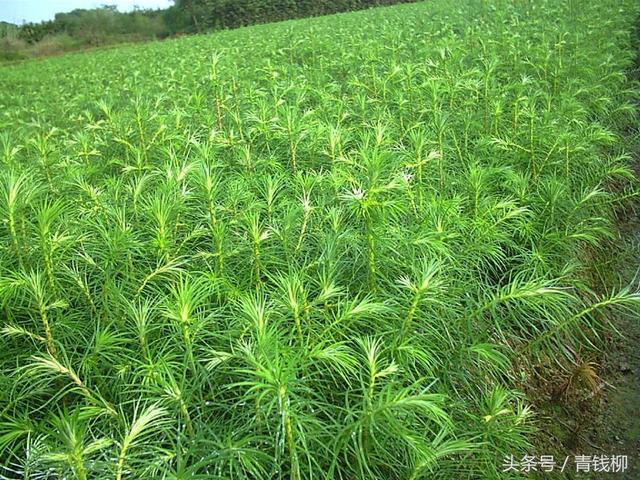
Application and Promotion of Chemical Weed Control Technology in Chinese Fir Seedling Cultivation
Application and Promotion of Chemical Weed Control Technology in Chinese Fir Seedling Cultivation. Chinese fir belongs to the gymnosperms, family Taxodiaceae, genus Cunninghamia, and is an evergreen tree with a long cultivation history, fast growth, good timber quality, straight grain, uniform structure, resistance to warping and cracking, and excellent decay resistance and insect resistance...
-
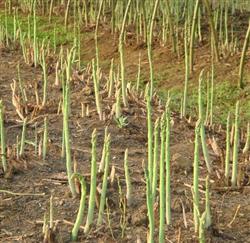
Detailed Explanation of Chemical Weed Control Techniques in Asparagus Fields
Asparagus has wide row spacing and is prone to weed growth. During the white asparagus harvest period, ridges are formed, the spears do not emerge from the ground, and chemical weed control is also difficult to implement. The main weeds in asparagus fields include lamb's quarters (goosefoot), field bindweed, purple nutsedge (three-square grass), thistle, crabgrass, barnyardgrass, and green foxtail. During the spring harvest period, contact herbicides are mostly used...
-
Chemical Weed Control Methods and Key Herbicide Application Points for Direct-Seeded Rapeseed
Chemical Weed Control in Direct-Seeded Rapeseed
条件筛选