-
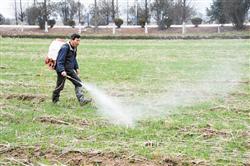
What precautions should be taken for chemical weed control?
What should be noted in chemical weed control? Please provide an introduction. Chemical herbicides have the characteristics of strong selectivity and strong specificity. Their application technology requirements are more stringent than those for insecticides and fungicides, and improper use often causes phytotoxicity. To give full play to the role of herbicides in agricultural production, the following seven points should be noted during use....
-
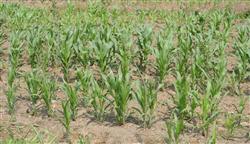
What precautions should be taken when using glyphosate for weed control in corn fields?
What should be noted when using glyphosate for weed control in corn fields? Please explain that glyphosate is a systemic herbicide. When used for weed control in corn fields, if used improperly, it can cause harm to corn, mainly for the following reasons: First, a lack of understanding of the properties of glyphosate; glyphosate is a systemic herbicide...
-
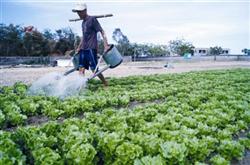
What types of water-soluble flush fertilizers are there? A detailed guide to usage precautions
What types of water-soluble flush fertilizers are there? What should be noted when using them? Please advise. There are many varieties and types of water-soluble flush fertilizers. Based on chemical properties and nutrient composition, they can be divided into three types: first, inorganic types such as urea, potassium dihydrogen phosphate, high-calcium type, high-potassium type, etc.; second, organic types, such as amino acid type, humic acid marine organism type, etc...
-
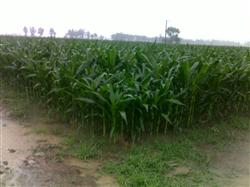
What are the precautions for chemical weed control in summer corn?
What should be noted for chemical weed control in summer corn? Please provide guidance. For chemical weed control in summer corn, you can refer to the following methods: match the herbicide to the weeds. The choice of herbicide should be determined by the weed species and the timing of application. For corn fields dominated by crabgrass, goosegrass, foxtail, lambsquarters, amaranth and smartweed, you can choose 40% acetochlor-atrazine suspension or...
-
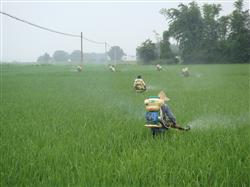
What are the precautions for using pesticides and insecticides?
What should you pay attention to when applying pesticides (insecticides)? To achieve better results when applying pesticides, you should pay attention to the following two points: First, choose a favorable time to apply the pesticide based on climate characteristics and the pest's day-and-night activity patterns. The best times to apply pesticides are from 9 a.m. to 10 a.m. and after 4 p.m. Because...
-
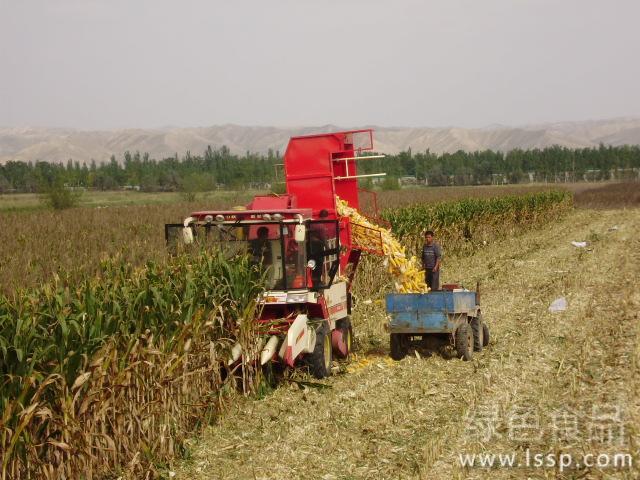
Timely late harvest of corn can increase yield; what are the precautions
Timely late harvest increases corn yield; precautions for timely late harvest of corn
-
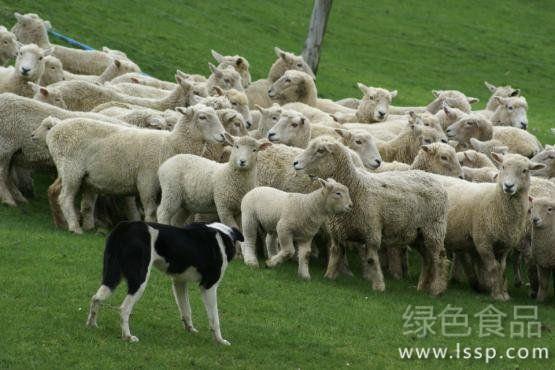
Summer has abundant forage and is suitable for grazing. What are the precautions for grazing sheep flocks?
Summer has abundant forage and is suitable for grazing sheep. Precautions for grazing sheep flocks
-
What precautions should be taken when using glyphosate?
What should be noted when applying glyphosate? Please provide guidance. When applying glyphosate, note the following: 1. Glyphosate is a non-selective herbicide; when spraying, never let it contaminate crops, to avoid herbicide damage. 2. For perennial vicious weeds such as cogon grass (Imperata cylindrica) and purple nutsedge (Cyperus rotundus), apply a second dose 1 month after the first application to...
-
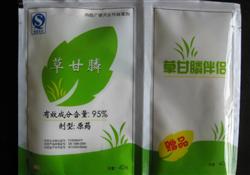
What are the precautions for using glyphosate-series herbicides?
What should be noted when using glyphosate-series herbicides? Please give an introduction. Glyphosate-series herbicides are organophosphorus, low-toxicity, systemic-conductive, broad-spectrum, non-selective post-emergence herbicides that can effectively control annual and perennial malignant weeds. When using glyphosate herbicides, if they are not used correctly, they may...
-
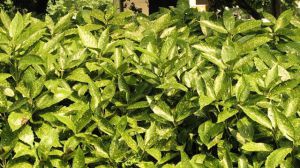
Aucuba care methods and precautions
Growing Aucuba requires providing it with moist soil conditions, sufficient light and a certain amount of fertilizer. Its propagation mainly uses the cutting method: cut healthy, disease-free branches, insert them into the substrate, then cover with a plastic bag to keep them warm. In summer, you need to watch out for anthracnose, brown spot disease, red spider mites and scale insects. Once discovered, deal with them promptly.
条件筛选