What are the precautions for using glyphosate-series herbicides?
What should be noted when using glyphosate-series herbicides? Please give an introduction. Glyphosate-series herbicides are organophosphorus, low-toxicity, systemic-conductive, broad-spectrum, non-selective post-emergence herbicides that can effectively control annual and perennial malignant weeds. When using glyphosate herbicides, if they are not used correctly, they may...
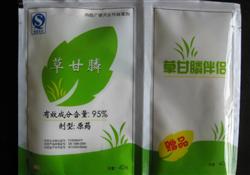
What should be noted when using glyphosate-series herbicides? Please give an introduction
Glyphosate-series herbicides are organophosphorus, low-toxicity, systemic-conductive, broad-spectrum, non-selective post-emergence herbicides that can effectively control annual and perennial malignant weeds.
When using glyphosate herbicides, if they are not used correctly, they often cause phytotoxicity to crops or fail to give full play to the efficacy of glyphosate. To help the broad community of farmers use glyphosate-series herbicides scientifically and rationally, on August 20, 2010, I conducted training on the correct use of glyphosate herbicides for the sci-tech demonstration households of the Zhehamang group team that I was responsible for guiding.
Precautions for use:
1. Choose a sprayer with a nozzle aperture of about 1 mm for application, so as to obtain fine and uniform droplets that are easy to deposit on the surface of weed leaves;
2. When using, first add half the amount of water, then add the agent and stir evenly, then add the other half of the water and stir thoroughly until evenly mixed before spraying;
3. Glyphosate is a non-selective herbicide. When spraying, use a low-pressure sprayer or fit the nozzle with a protective shield to avoid the spray drifting onto the stems and leaves of crops and causing phytotoxicity;
4. Glyphosate readily becomes "deactivated" on contact with soil and loses its activity. Do not use muddy water or sewage when preparing the spray. Weed leaves along roadsides carry a lot of dust, so the dosage should be appropriately increased;
5. Rain within 4 hours after spraying will reduce efficacy, and re-spraying is necessary;
6. Do not mow, graze or plow within 3 days after applying glyphosate;
7. When weed density is high, appropriately increase the dosage and the amount of spray water;
8. Glyphosate should not be mixed with other herbicides such as paraquat, so as to avoid reducing activity and affecting efficacy.
Through the training, the demonstration households all mastered how to correctly apply glyphosate, and at the same time it also drove other farmers to scientifically and rationally use the techniques and precautions for glyphosate-series herbicides.
Click to get more herbicide application techniques
Click to get more pesticide application techniques